
Apps that use your financial data via Open Finance
Advertisements
The list of Apps that use your financial data It will grow exponentially by 2026, consolidating Open Finance as the central pillar of the new Brazilian digital economy.
Standardized information sharing allows users to regain sovereignty over their banking history, transforming raw data into practical tools for saving and investing.
In this hyper-connected world, the integration between financial institutions and technology platforms is not just a convenience, but a competitive necessity.
Advertisements
This article details how the leading applications in the Brazilian market use these permissions to offer customized products, reduced fees, and automated and secure asset management.
What are Open Finance systems and how do they work?
The Open Finance ecosystem in Brazil reached full maturity in 2026, allowing customers to authorize the sharing of their information between different institutions.
Unlike the traditional model, where data was "stuck" in a single database, now it belongs to the citizen, who uses it to negotiate better benefits.
When you use Apps that use your financial data, The process occurs via standardized and extremely secure APIs (Application Programming Interfaces).
Sharing is never permanent; the user defines the purpose, access time, and which specific information they wish to release to the chosen platform.
This infrastructure eliminates information asymmetry, allowing smaller banks or fintechs to see a customer's good payment behavior at institutions where they have had an account for decades.
The direct result is a democratization of access to financial products that were previously restricted to high-income clients or large corporations.
How do fintech companies use your data to lower interest rates?
The main immediate benefit of sharing is obtaining cheaper credit that is better suited to each individual's actual ability to pay.
Loan and credit card apps analyze your cash flow and savings history to offer limits that match your credit history. score Traditionally, people would ignore it.
By allowing the institution to see your recurring income and expenses, you reduce the credit risk perceived by the bank.
In 2026, many Apps that use your financial data They are able to approve mortgage and auto loans in minutes, using Open Finance to validate income without excessive bureaucracy.
To fully understand the regulations governing this security, visit the official website of Central Bank of Brazil It details all phases of implementation and consumer rights.
This transparency is essential to ensure that technological innovation goes hand in hand with the rigorous protection of personal data.
Features of Apps via Open Finance in 2026
| Application Type | Main Functionality | Benefit to the User |
| Account Aggregators | Unified view of balances and invoices | Centralized and error-free financial management. |
| Payment Initiators | Direct payments via Pix in the app | Fast online shopping without leaving your cart. |
| Credit Comparison Sites | Real-time interest rate auction | Get the cheapest loan on the market. |
| Investment Managers | Automatic portfolio rebalancing | Optimizing profitability according to the profile. |
| Tailor-made Insurance | Rewards based on real behavior | Life and auto insurance with personalized pricing. |
Why have investment aggregators gained so much traction?
Managing multiple assets across different brokerages was a logistical challenge that Open Finance solved through the automated centralization of complex portfolios.
Read more: Loans through Brazilian fintechs: lower rates in 2026
Brazilian investors are now using tools that consolidate stocks, funds, fixed income, and even international assets into a single dashboard for monitoring and performance.
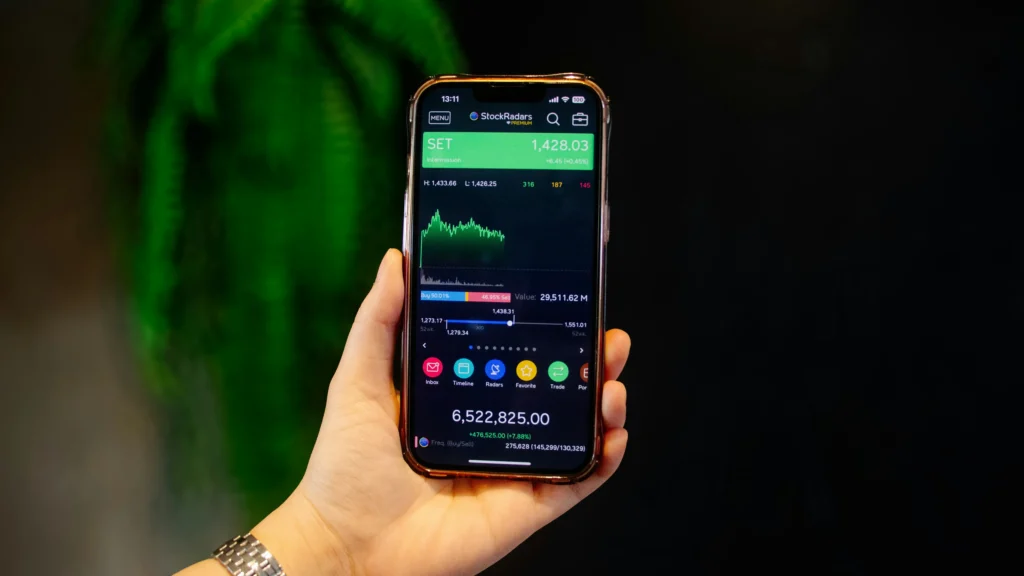
These apps not only display the balance, but also use the shared data to suggest protection and diversification strategies based on the current economy.
Integrated artificial intelligence analyzes the management fees paid by each fund and alerts the user to more efficient options available on the market.
Trust in these tools has increased dramatically due to the stringent encryption standards required by the national financial system.
When using Apps that use your financial data, The investor ensures that their wealth management strategy is fueled by real-time data, avoiding decisions based on outdated manual spreadsheets or impulsive feelings.
What are the biggest advantages of payment initiation?
The role of the Payment Transaction Initiator (ITP) has transformed the consumer experience, allowing payments to be made without the need to open a banking app.
When making a purchase on an e-commerce site, the customer authorizes the debit via Open Finance in a direct, secure, and traceable manner.
This feature reduces the number of steps in a transaction, lowering shopping cart abandonment rates for merchants and increasing the smooth experience for the buyer.
Learn more: Apps that replace multiple apps: the superapp trend
The system is protected by two-factor authentication, ensuring that no payment is made without biometric confirmation or the account holder's password.
In addition to speed, payment initiation allows the user to choose the account with the best balance or benefits. cashback at the exact moment of purchase.
This flexibility is a competitive advantage for Apps that use your financial data, attracting consumers who seek absolute convenience in their hectic digital routines.
When and how do I revoke my consent to share the content?
Transparency is the lifeblood of Open Finance, and the user retains complete control over who accesses their information and for how long.
Every financial application should offer a simple control panel where you can view and cancel any active shares with just a few clicks.
Read more: Protecting apps with biometric authentication step by step
If you decide that you no longer wish to use a particular service, the revocation of access should be immediate and without any penalty.
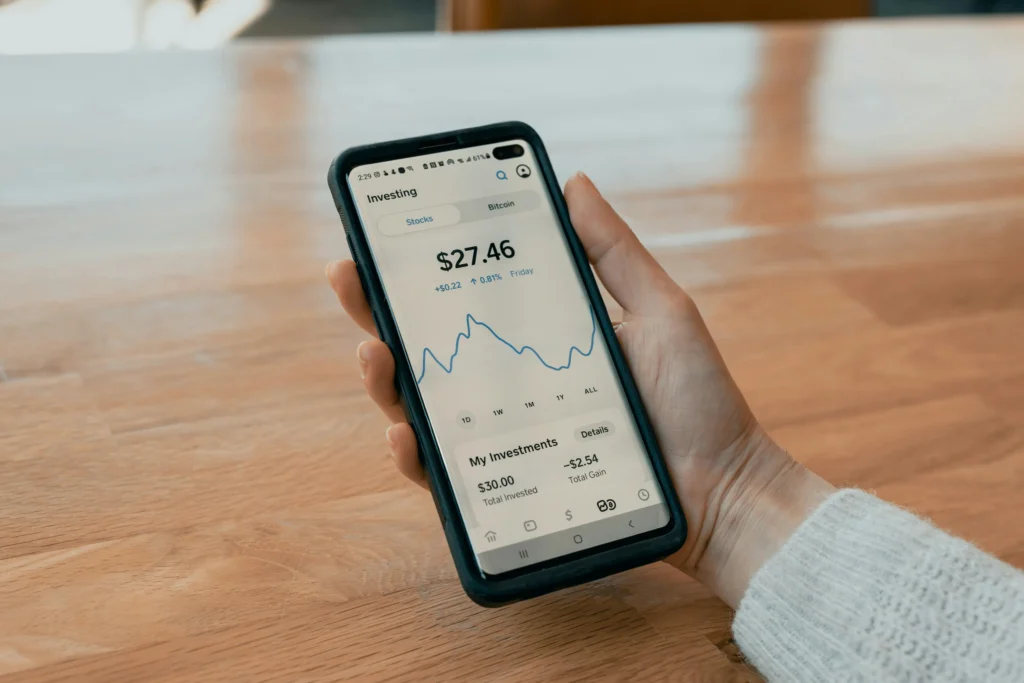
It is recommended to periodically review which Apps that use your financial data They have active permissions, ensuring that only useful platforms maintain a link to their banking history.
Legal protection for these operations is guaranteed by the General Data Protection Law (LGPD), which imposes severe sanctions on institutions that fail to comply with privacy rules.
The ethical commitment of companies to information security is what sustains the continuity and success of this collaborative model in 2026.
To view the updated list of authorized institutions and the directory of participants, please visit the website. Open Finance Brazil It offers complete transparency and safety guidelines.
This ecosystem is constantly monitored to ensure that technological innovation never compromises the financial integrity and privacy of Brazilian citizens.
FAQ: Frequently Asked Questions about Open Finance
Is sharing financial data mandatory?
No, sharing is entirely voluntary and depends solely on the client's explicit consent. You only share your data if you see value in the service offered by the application, and you can choose to keep your information private in your original account.
Can apps see my bank password?
Never. Open Finance uses security tokens that transmit only authorized data, such as statements or limits. Access and transaction passwords are never shared between institutions, remaining protected within the secure environment of your bank that holds the account.
What data is shared between the applications?
The user chooses the categories: registration data, current account balances, credit card transaction history, or foreign exchange transaction details. This granularity allows you to share only what is strictly necessary for the application to perform the function desired by the user.
The revolution brought about by Apps that use your financial data It redefined the Brazilian relationship with money, making it more transparent, efficient, and cheaper.
By embracing Open Finance, the consumer ceases to be a mere spectator and becomes the protagonist of their own economic choices.
By 2026, technology will not be just an accessory, but the engine driving financial inclusion and wealth growth for millions of people.
The control is literally at your fingertips, allowing data intelligence to work in your favor to build a more solid and prosperous financial future.
Use the available tools responsibly and see how digital integration can positively transform your financial health and quality of life.
