
Apps that replace multiple apps: the superapp trend
Advertisements
The search for apps that replace multiple apps It has become the absolute priority for users who want to optimize smartphone storage and simplify the exhausting contemporary digital journey in 2026.
In this guide, we'll dissect the phenomenon of superapps and understand how they centralize our routines. We'll look at the practical benefits, the platforms that are winning this race, and what really changes in their technological integration.
What are superapps and how do they work?
A superapp is not just software, but a digital ecosystem that encompasses a variety of services, from payments to transportation, within a single interface. It's the end of that frantic search for icons.
The architecture of these platforms allows mini-programs to operate without you needing to download individual files.
Advertisements
It's as if the app were an operating system inside your own phone, ready for any need.
This integration eliminates the need to manage dozens of accounts and passwords. Centralizing payment data and preferences makes navigation organic, almost intuitive, saving precious time lost on loading screens.
In 2026, the apps that replace multiple apps They have evolved to integrate generative artificial intelligence.
They now anticipate what you want even before you type, based on your fluid behavior.
The logic here is absolute retention. The more problems a platform solves, the fewer reasons there are for you to leave it. There's something magnetic, and perhaps a little watchful, about this walled garden model.
Why is digital consolidation a trend in 2026?
App fatigue has reached its limit. Nobody can stand the excess of useless notifications anymore, or the wasted space on tools we only use once a month, like that parking app.
Saving RAM is vital, especially on devices that struggle to maintain performance under the weight of background processes. Fewer icons on the screen mean real breathing room for the hardware.
Beyond hardware, there's cybersecurity. Concentrating data in a few highly reputable companies reduces the surface area exposed to leaks, something that is often misinterpreted as a vulnerability when it is actually a matter of control.
Large technology conglomerates are waging a silent war to ensure their software is the leading choice. apps that replace multiple apps. Whoever controls the gateway controls consumption.
This commercial shift is drastically altering the market. Smaller developers have stopped fighting for a single shelf space and are now creating modular solutions designed to be absorbed by these giants.
What are the main advantages for the end user?
Convenience is the new luxury. Managing your financial and professional life in a single environment, without the friction of different operating systems, brings a mental clarity that the excess of apps used to steal.
Users save time. The standardized interface makes learning easier; once you understand how the app works for ordering food, you already know how it will operate for purchasing insurance or making investments.
Many of these systems offer unified loyalty programs. Supermarket points now pay for your trip home, creating a cycle of benefits that truly makes sense at the end of the month.
According to analyses by Gartner, The adoption of modular ecosystems should grow aggressively. It's the slow death of digital fragmentation in favor of a much more cohesive and practical experience.
Below, see how this transition directly impacts the use of your device. The technical difference is noticeable when we look at energy efficiency and resource management.
| Appeal | Traditional Model (Multiple Apps) | Superapp Model (2026) |
| Storage | Consumes GBs of memory. | It occupies a small space (MBs) |
| Management | Multiple logins and passwords | Unique digital identity |
| Notifications | Excessive and disorganized | Centralized and intelligent |
| Battery | Fast drainage through the background | Optimized processing |
How is the Brazilian market adopting this technology?
In Brazil, the apps that replace multiple apps They gained strength through digital banks and delivery platforms. They ceased to be simple tools and transformed into complete and ubiquitous virtual shopping malls.
Today, you can access your bank and buy airline tickets or book hotels with just two taps. This convergence reflects our culture, which has always sought smart shortcuts to make daily financial life easier.
Learn more: 5G and Wi-Fi 7 technology in Brazil: real evolution in 2026
Brazilian consumers are eager for new things and possess a unique adaptability. This has facilitated the acceptance of integrated payments on social networks, eliminating the barrier between conversation and commercial transaction.
Small business owners now sell and receive payments without leaving the communication environment. This democratization of management tools is perhaps the greatest social gain from this trend of centralization that we see today.
Mobility companies have also entered the game. They integrate transportation, logistics, and light vehicle rental on the same map, proving that the fight for your time is happening on all urban fronts.
What precautions should we take regarding data privacy?
Centralization raises unsettling questions about the sheer volume of information a single corporation possesses. They know where you are, what you eat, and how much you spend, creating a near-perfect profile of your life.
It is vital to verify the transparency policies. Data sharing between mini-programs should be a clear process under their complete control, not just a hidden line in terms of use.
Read more: Tips for protecting your privacy on social media
In 2026, data protection laws will force... apps that replace multiple apps using state-of-the-art encryption. However, user surveillance remains the necessary first line of defense.
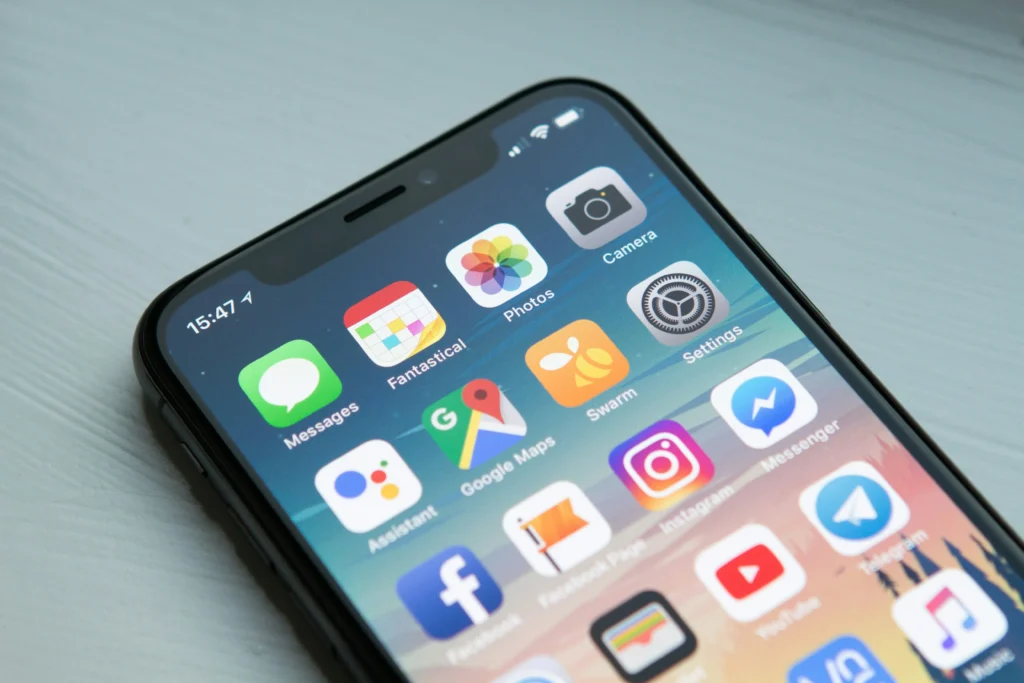
There is also the risk of dependency. If the superapp experiences technical instability, you may be "locked out" of several essential services simultaneously. It's the price of extreme convenience: the fragility of a single point of contact.
Diversifying usage across two or three main ecosystems is a prudent strategy. This way, you leverage the efficiency of centralization without handing over the keys to your digital life to just one provider.
When is it worthwhile to migrate to a superapp?
Migration makes perfect sense if you're tired of updating software you rarely use. It's liberating to delete that folder full of utilities that only serve to clutter your smartphone's memory.
Read more: What to do when your phone's memory is always full, even after cleaning?
For those who struggle with low battery by mid-afternoon, reducing the number of active background processes is an effective remedy. Fewer installed applications mean less wasted energy.
Professionals seeking productivity will find these... apps that replace multiple apps Workflows that truly communicate with each other. Integrated calendars and notes eliminate the need for copy-and-paste between different tools.
Analyze your weekly usage. If your bank or delivery app already meets most of your needs with cashback and speed, there's no reason to keep cumbersome clones taking up precious space.
The cost-benefit is evident for those who travel or shop online frequently. The savings generated by unified points systems far outweigh the initial effort of adapting to a new interface.
The journey toward superapps reflects our quest for a less chaotic digital existence. Ultimately, technology should serve to reduce noise, not create new labyrinths.
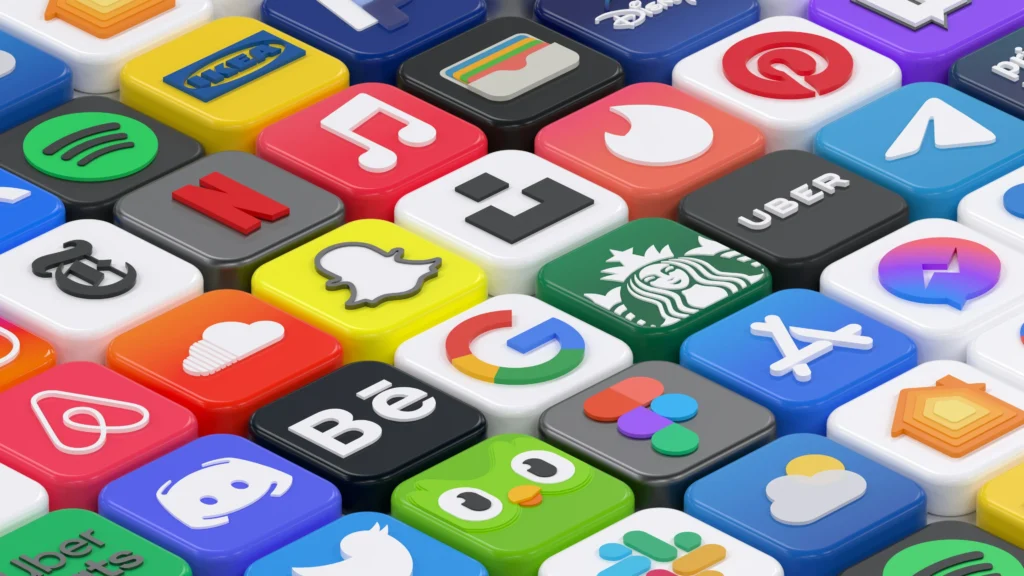
With artificial intelligence shaping these environments, the cell phone ceases to be a repository of tools and becomes a proactive assistant. It's technology finally becoming invisible and efficient.
To deepen your understanding of how these ecosystems are redefining global consumption patterns, it's worth following the publications of... MIT Technology Review.
Frequently Asked Questions (FAQ)
What happens to small apps?
They are transforming into mini-programs. Instead of fighting for downloads, they piggyback on the audience of superapps to offer specialized services without the barrier of installation.
Does having only one app increase battery consumption?
The effect is the opposite. A unified ecosystem manages system resources much more intelligently than ten different apps competing with each other for your phone's processor.
Is my payment information secure?
You apps that replace multiple apps They use banking security standards and advanced biometrics. They are often more secure than entering your data on small, unknown shopping websites.
Do I need to pay a monthly fee to use these services?
Generally not. The business model of these platforms focuses on commissions on transactions or premium services. Basic access and integration are usually free to attract the largest number of users.
How do I know if my phone supports a superapp?
If your device was manufactured within the last five years, it will handle the task. These apps are designed to be lightweight on the device, as the heavy lifting happens on the company's servers.
