
Loans through Brazilian fintechs: lower rates in 2026
Advertisements
Get one Loans via Brazilian fintechs It has become the smartest strategy for those looking to ease the financial strain in 2026.
We are experiencing a rare moment of maturation in the digital financial ecosystem. With the definitive consolidation of Open Finance, institutions now offer personalized conditions that traditional banks, trapped in cumbersome and bureaucratic structures, are still struggling to match.
While fintechs were once seen as risky alternatives, today they dictate the pace of interest rates in the country.
What has changed in the digital lending landscape this year?
The big turning point of 2026 lies in the stabilization of shared data infrastructure. Previously, fintechs operated with a margin of uncertainty that made credit more expensive, but today financial history is transparent and, above all, portable.
Advertisements
This is often misunderstood: it's not just about "having an app," but about how risk is calculated in real time.
The bank "spread," that annoying difference between what the bank pays and what it charges, has shrunk drastically for those who use digital platforms.
Since these companies don't bear the immense cost of physical branches and armies of managers, they are able to pass those savings directly on to the customer's bill.
There is something liberating about seeing the power of negotiation return to the hands of those who truly need the money.
How can I get a loan with low interest rates through Brazilian fintech companies?
The secret to accessing the best conditions isn't luck; it's strategy. When searching for a Loans through Brazilian fintech companies, The first step is to open the floodgates of Open Finance.
It is through this sharing that you prove to be a good payer, even if you have never set foot in that specific institution.
Guaranteed investment options are the stars of 2026. Home Equity And the use of vehicles allows for rates that seemed impossible five years ago.
Fintechs have refined this process so much that property valuation is done almost entirely remotely, reducing notary fees and the hassle of paperwork.
Another trend that has gained traction is the use of investments as collateral. If you own stocks or have private pension plans, many platforms offer loans with interest rates closely tied to the Selic rate.
This allows you to resolve an emergency without having to disrupt your long-term investment strategy.
To understand how these indicators affect your contract, visit the official website of Central Bank of Brazil It remains the most reliable technical source.
Why are fintech fees lower than those of conventional banks?
The reason is almost biological: fintechs don't carry the "legacy cost".
While traditional banks spend fortunes maintaining granite buildings and 1990s IT systems, digital companies operate in a lean, cloud-based way. This agility is not just aesthetic; it's financial.
Read more: Digital lending with AI-powered analysis: how it works in practice
Furthermore, the business model is different. They don't need to profit solely from interest; often, the loan is the gateway to a service ecosystem.
This allows for greater aggressiveness when attracting customers.
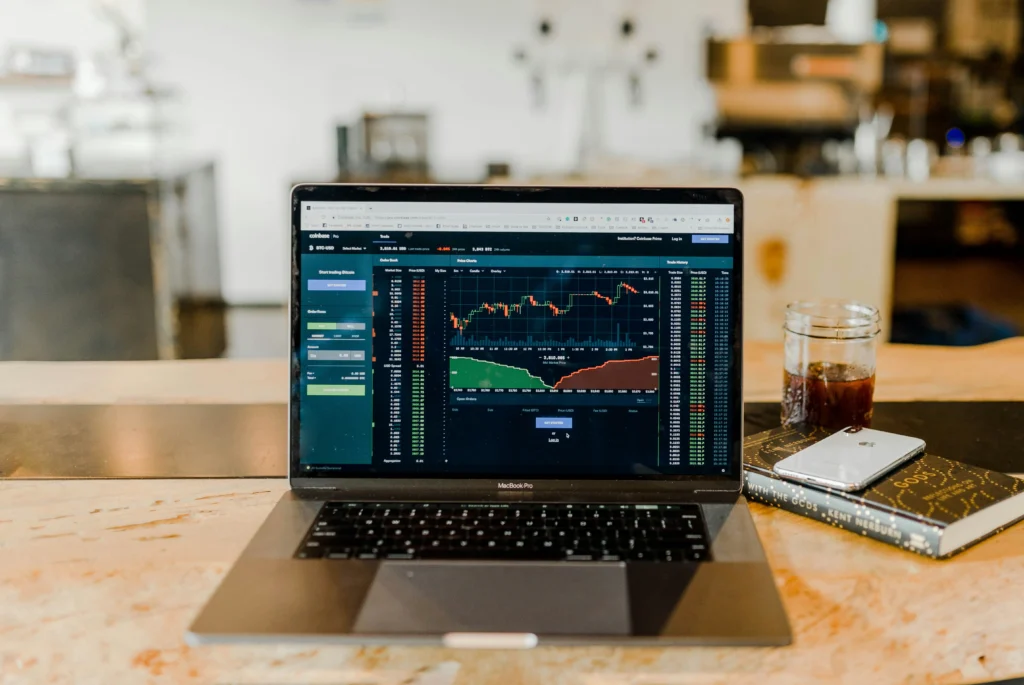
There's something unsettling about how quickly algorithms decide your financial future, but it's undeniable that they see payment potential where the traditional system only sees a static and cold credit score.
| Credit Modality | Average Monthly Rate (Fintechs) | Average Monthly Rate (Banks) | Main Advantage |
| Online Personal Loan | 1.8% to 3.5% | 4.2% to 6.5% | Money in your account in minutes. |
| Property Guarantee | 0.95% to 1.2% | 1.3% to 1.8% | Longest term on the market |
| FGTS Advance | 1.1% to 1.4% | 1.5% to 1.9% | It doesn't weigh on the monthly budget. |
| Investment Guarantee | 0.85% to 1.1% | 1.2% to 1.6% | Keeps income active. |
| Microcredit for businesses | 1.5% to 2.8% | 3.0% to 5.0% | Breathing room for small businesses |
What are the risks and precautions when taking out digital credit?
Ease of use cannot be synonymous with carelessness. The golden rule for 2026 remains the careful reading of the Total Effective Cost (TEC).
This is where insurance and administrative fees often appear, sometimes hidden behind an attractive monthly payment. If the process is digital, you need to be doubly careful.
Learn more: Worker Credit Program: how it works and new rules
Security also requires a critical eye. Check if the fintech company is authorized by the Central Bank to operate as a Direct Credit Society (SCD).
Be immediately suspicious of any company that asks for upfront deposits to "release" the funds; this practice is a clear sign of fraud.
In the digital environment, transparency is the only shield against scammers who mimic famous interfaces to capture data.
How has Open Finance 2.0 made borrowing cheaper through Brazilian fintechs?
Open Finance has gone from being a technical promise to becoming the engine of cheap credit. In 2026, phase 2 will allow you to share not only your bank balance, but also your energy consumption patterns, insurance, and investments.
Learn more: Open Finance Loan Portability: How to Reduce Interest Rates
This 360-degree view removes the "risk premium" that banks charge simply due to the client's lack of knowledge.

When you prove, with audited data, that you are punctual in your commitments, the fintech reduces the rate so as not to lose you to the neighbor.
This is the true democratization of credit: for the self-employed and professionals in the economy. gig They now have a respectable financial track record, serving as leverage for much more favorable interest rates.
To compare offers and check the reputation of companies, the portal of Infomoney It remains an indispensable reference for both investors and borrowers.
The future of your digital financial health.
The 2026 market marks the end of informational privileges.
Access to credit via fintechs is no longer an alternative path, but rather the logical choice for those who no longer accept paying for the inefficiency of others.
In a world where data is your greatest asset, owning your own financial history is what separates good planning from unnecessary debt.
FAQ (Frequently Asked Questions)
Can fintech companies charge fees before releasing the money?
No. Any request for an upfront deposit for "dossier analysis" or "notary fees" is a scam. Legitimate fees are always deducted from the amount you receive or included in future installments.
Is my Serasa score still a determining factor?
It helps, but it's no longer the sole judge. Through Open Finance, fintechs look at your real-world behavior—like paying electricity bills and your investment history—which can guarantee approval even for those with an average credit score.
How long does it take for the money to arrive via Pix?
In 2026, most transactions are nearly instantaneous. After digital signature with facial biometrics, the feature is usually released within minutes, or at most within a few business hours.
Can I pay everything off at once to get a discount?
Absolutely. It's a guaranteed right. By paying in advance, you eliminate future interest proportionally, making the transaction much cheaper if you can secure some financial breathing room before the deadline.
Is data sharing secure?
The system is strictly regulated by the Central Bank. You don't hand over your passwords; you only authorize institutions to view specific information for a defined period. You have the control to cancel this access at any time through the app.
