
Productive Backyards Program 2025: Economic Autonomy of Rural Women
Advertisements
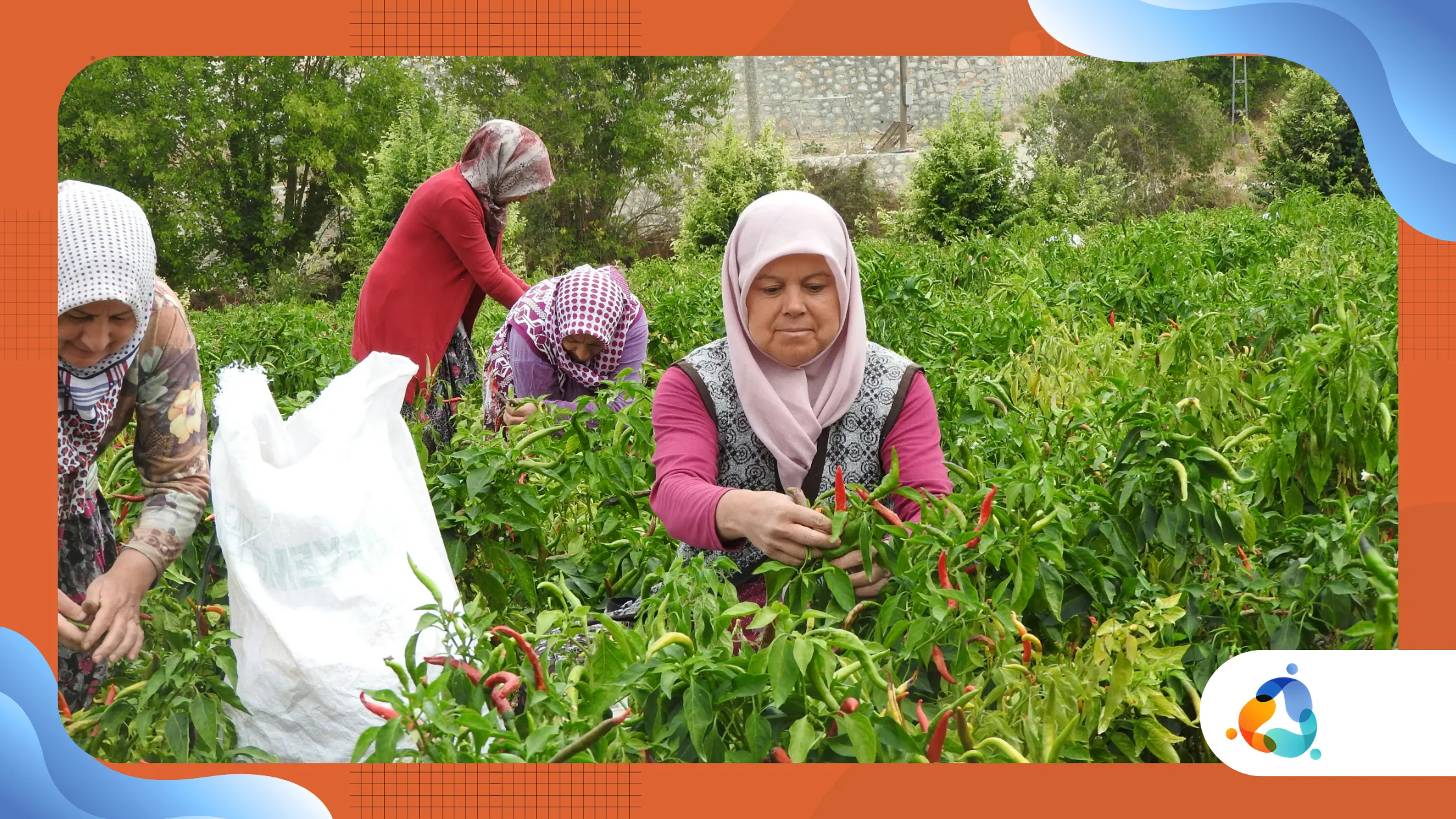
THE Productive Backyards Program emerges in 2025 as a beacon of hope and empowerment.
This strategic initiative aims to achieve economic autonomy for rural women.
He recognizes the central role they play in food security and wealth production.
The program isn't just a donation of seeds and tools. It's an investment in the innate capabilities of rural women.
The goal is to enhance food production and sustainable extraction. The main focus is on managing small spaces, such as backyards.
This support aims to boost income generation and family food sovereignty. Furthermore, it strengthens these women's position in their communities.
Advertisements
The goal is to combat persistent social and economic vulnerability in the countryside.
How Does the Productive Backyards Program Boost Financial Independence?
Financial independence is the cornerstone of women's freedom. The program provides inputs, technical training, and market access.
This transforms the backyard from a subsistence space into a profitable micro-enterprise.
Read more: Bolsa Família and BPC: Government publishes rule to prevent beneficiaries from placing bets
Participants receive training in small farm management and finances. They learn how to add value to their products.
Crafts and cooking with local ingredients become sources of income.
This holistic approach is what sets the program apart. It doesn't create dependency, but rather lasting and sustainable autonomy. It's a virtuous cycle of production, sales, and community reinvestment.
What are the advantages of the support and training structure offered? The program offers a well-structured learning path. The training is adapted to local realities and traditional knowledge.
It covers everything from agroecological management techniques to notions of cooperativism.
A fundamental aspect is ongoing technical assistance. It's not enough to simply plant; you need to know how to manage, harvest, and market effectively.
Agricultural professionals and economists closely monitor the producers.

The collective's strength is fostered through the formation of working groups. This allows women to share experiences and solve challenges together.
The exchange of ancestral knowledge is valued and incorporated.
++ Food Acquisition Program (PAA): learn about the program
Why Investing in Rural Women Ensures Food Security?
Historically, women have been the guardians of seeds and food knowledge. They ensure the family table is plentiful and nutritious.
Investing in them is a direct investment in everyone's quality of life.
By growing crops in their backyards, they increase the diversity of available food. This reduces dependence on monocultures and processed foods.
The family's diet becomes healthier and more organic.
This invisible contribution has a macroeconomic impact. The production of staple and fresh foods stabilizes local markets.
The reduction in rural exodus is also a positive consequence of this initiative.
++ How the Government is encouraging the formalization of informal workers
The Backyard as the Seed of Freedom
You can compare the Productive Backyards Program to a palm oil seed planted in fertile soil. The seed is the initial support and empowerment. The fertile soil is women and their innate resilience.
With water, which provides technical assistance, and light, which provides access to the market, the seed grows. It transforms into a robust palm tree, providing fruit and shade.
The fruits are income and autonomy. The shadow is security and empowerment.
Thus, the small backyard becomes the starting point for a journey to freedom. Financial independence allows for choices and an active voice in the community.
It's not just cultivating the land, but cultivating the future.
++ Federal Government launches Rural Women's Productive Backyards Program
Transforming Realities with the Program
In 2024, Dona Maria from Pernambuco saw her life change. With the program's support, she transformed her small backyard into a production facility for artisanal spices.
Its products, such as pickled biquinho peppers, are now sold in the capital.
Another inspiring example comes from Pará. Dona Fátima and her group of neighbors began growing vegetables.
They created a cooperative to sell their produce directly to local restaurants. Their profits increased by 401,000 pounds in the first year.
These stories demonstrate that the impact goes beyond money. They earn the respect of their family and community. The program places them in positions of leadership and influence.
Relevant Statistics and Data about the Initiative
According to preliminary data from the Ministry of Agrarian Development and Family Farming (MDA), in 2024, participants in the Productive Backyards program recorded an average increase of 28% in family income.
This growth was driven by production diversification and access to new marketing channels.
| Impact of Participation in the Productive Backyards Program (MDA – 2024) | |
| Indicator | Average Variation |
| Family Income (Annual) | |
| Productive Diversity in the Backyard | |
| Access to Local Markets | |
| Participation in Community Decisions |
The data proves the effectiveness of the approach. Income growth and active voice go hand in hand.
The Productive Backyards Program: A State Policy for Development
THE Productive Backyards Program should not be seen as a welfare measure. It is a strategic public policy for sustainable and inclusive development.
The focus is on gender equity and the appreciation of the field.
It's a smart way to foster the bioeconomy and family farming. Recognizing women's role as agents of change is crucial.
Sustainability and innovation are pillars of this strategy.
How can we achieve full development without including half of the population that sustains the countryside? The answer is clear: it is imperative to invest in programs like this.
The future of Brazil depends on the strength and resilience of rural women.
Conclusion: The Legacy of the Productive Backyards Program
THE Productive Backyards Program 2025 is more than a project.
It's a social and economic movement that celebrates female empowerment. It transforms small spaces into large centers of prosperity.
The program leaves a legacy of autonomy, food security and social justice.
The revolution is silent, but its impact is profound and lasting. The success of these women is the success of Brazil.
Frequently Asked Questions
Who can participate in the Productive Backyards Program?
The program is a priority for rural women, agrarian reform settlers, quilombolas, indigenous women and women from traditional communities.
Priority is given to low-income families and those in situations of social vulnerability.
What are the main benefits offered to participants?
Benefits include technical assistance and rural extension (ATER), provision of production kits (seeds, seedlings and tools), management and financial training, and support in marketing products.
Does the program provide financial resources directly?
The main focus is not direct income transfer, but rather productive investment.
The funds are used to purchase supplies, equipment, and cover technical assistance and training expenses. The goal is long-term economic sustainability.
How do participants access markets to sell their products?
The program encourages organization into cooperatives and associations.
It also supports participation in local fairs, sales to public procurement programs (such as PAA and PNAE), and the creation of direct-to-consumer sales channels, such as e-commerce and solidarity consumption groups.
Does the program care about environmental sustainability?
Yes. The training has a strong emphasis on agroecological practices and organic production. The use of pesticides is discouraged.
The objective is sustainable production, which preserves the environment and the health of producers and consumers.
