
How to guarantee school meals even outside of school hours.
Advertisements
To guarantee the School meals even outside of school hours. This is a fundamental guideline of the National School Feeding Program to combat food insecurity among students in the public school system.
Disruptions to the school calendar during holidays and mid-year breaks should not deprive vulnerable children of daily access to the nutrients necessary for holistic human development.
Federal and municipal laws authorize states and municipalities to distribute food baskets, meal vouchers, or prepared meals directly at educational facilities open for community enrollment.
Understanding the operational procedures for requesting this food assistance ensures that families registered in the Unified Registry can enjoy their guaranteed social rights without interruption throughout the year.
How does food distribution work during school breaks?
Municipal or state education authorities establish local logistical strategies to distribute food supplies directly to the legal guardians of each student duly enrolled in the school system.
Delivery typically occurs through scheduled pickup of balanced food kits or via direct financial transfers linked to cards specifically designed for food purchases.
Advertisements
| Service Modality | Distribution Mechanism | Items / Features Included | Priority Target Audience |
| Food Kits (Baskets) | Scheduled in-person pickup at the school. | Rice, beans, oil, milk, and fruits and vegetables. | Families registered in the Single Registry (CadÚnico) |
| School Meal Card | Monthly credit on magnetic card | Exclusive purchase of food items | Students from the municipal/state public school system |
| Open Meal Centers | School cafeterias on special duty | Daily ready-made meals | School communities in extreme vulnerability |
| Partnerships with Family Farming | Direct delivery of organic products | Fruits, vegetables, greens and tubers | Students residing in rural or peripheral areas |
Official guidelines regarding operational procedures and the allocation of program funds are available on the portal. National Fund for the Development of Education, a federal agency responsible for management.
The continuation of School meals even outside of school hours. It depends directly on the advance planning of the education departments, which update the municipal school census monthly.
Nutritionists responsible for the program develop nutritional compositions respecting the regional food culture and ensuring that at least thirty percent of the products are purchased from community-based family farming.
Checking with the school administration before the end of regular classes ensures that the student's name is included on the official list of beneficiaries of the holiday distribution.
What laws guarantee the provision of meals during school holidays?
Federal Law number 11,790 of 2008 establishes the universal right to healthy food as a constitutional guarantee associated with the educational process.
Legislative changes approved during emergency situations have consolidated the authorization for the executive branch to distribute food supplies directly to parents during regular school breaks.
Municipal School Food Councils monitor the fulfillment of this delivery, verifying the quality of the supplies and the full compliance with the published schedules.
Recent court decisions reinforce that the state's duty to combat child malnutrition prevails over administrative breaks and extended holidays in the public education calendar.
Who is entitled to receive food kits during holidays and vacations?
Students enrolled in early childhood education, elementary school, high school, and adult education programs in the public school system have the right to be served.
Priority is given to families registered in the Unified Registry for Social Programs of the Federal Government who are in a situation of extreme poverty or proven social vulnerability.
Students residing in quilombola communities, rural settlements, and indigenous territories receive differentiated attention with schedules adapted to the logistics of each Brazilian geographic region.
Active enrollment in the municipal or state education system is the only formal requirement for including a child in the distribution registries for consumer goods.
What is the importance of family farming in this ongoing support?
Buying directly from small rural producers ensures a continuous supply of fresh, organic food free from harmful ultra-processed ingredients for children during the holidays.
Encouraging family-based agribusiness boosts the local economy of municipalities, generating income for farmers while protecting the food security of thousands of young students.
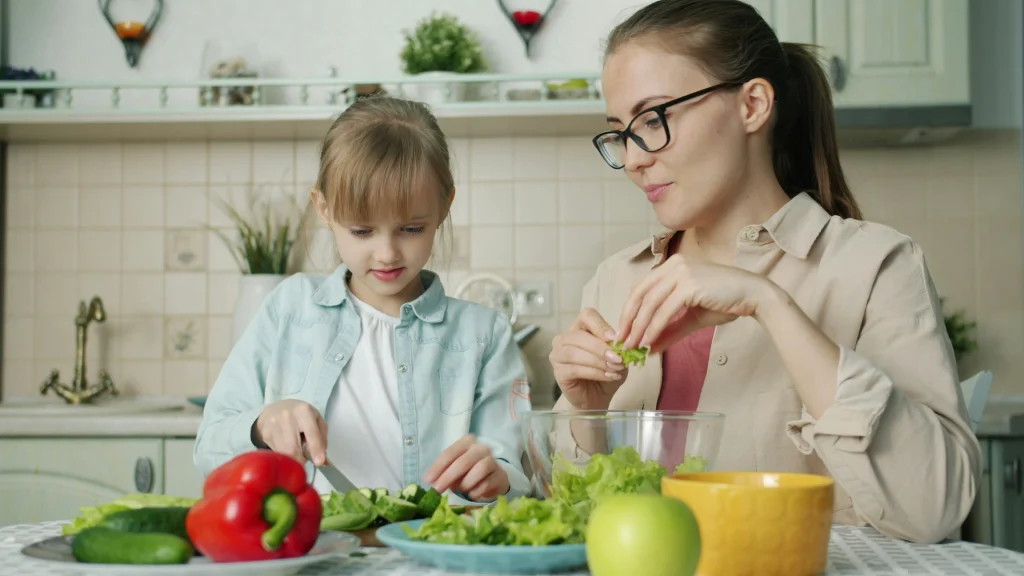
Short distribution logistics shorten the time between the field and the family table, preserving the micronutrients and biological quality of fruits and vegetables.
Read more: Benefits for Night Shift Workers Beyond Night Shift Premium
Integrating community-based production into the educational program strengthens healthy eating habits that prevent chronic childhood diseases, such as childhood obesity and diabetes.
Guidelines on programs to combat hunger and provide integrated social assistance can be found on the official website of... Ministry of Development and Social Assistance, Family and Fight against Hunger, the federal authority for the sector.
Consolidate the School meals even outside of school hours. It preserves children's health and significantly reduces dropout rates when the school calendar resumes.
Joint mobilization between public administrators, food councils, and school communities ensures the full effectiveness of this basic right in all regions of Brazil.
What steps should the family follow to ensure they receive the benefit during the recess?
Confirming that your registration information is up-to-date with the school's administrative office before the semester's final exams avoids problems with issuing the assignment lists.
Following the official communication channels of the city hall or education department allows you to know the exact dates, times, and locations of scheduled deliveries.
Presenting photo identification and the Unified Registry card at the time of pickup ensures prompt verification of the student's legal guardian.
Reporting any irregularities or failures in the delivery of food supplies directly to the local School Food Council strengthens social control and improves the service.
Conclusion
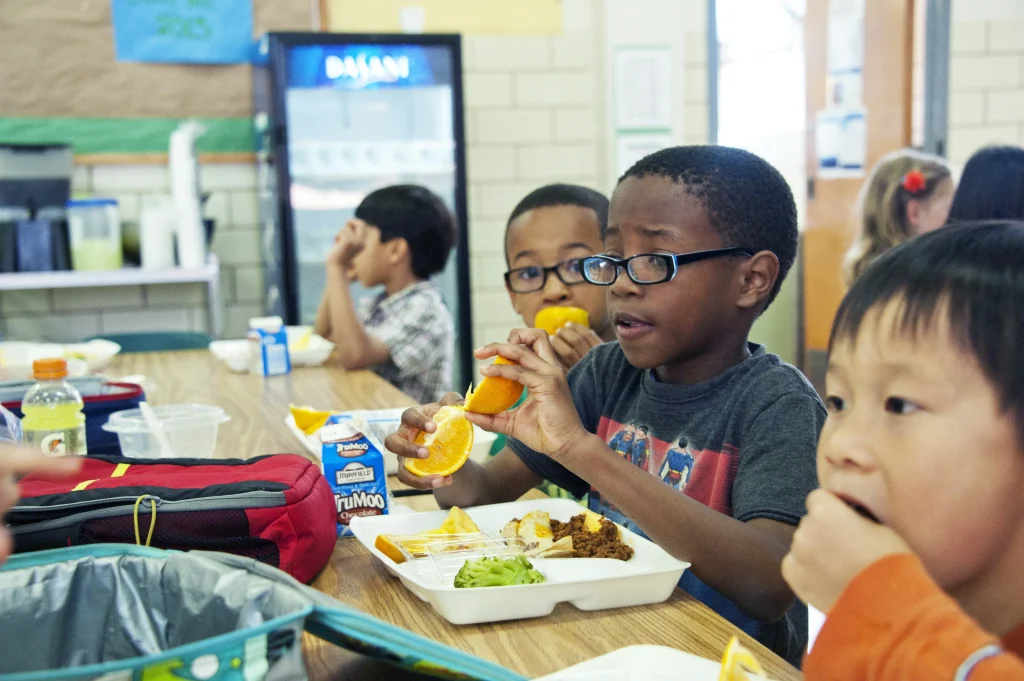
Maintaining the supply of meals and food kits during school holidays is a vital pillar in the social protection and healthy development of children.
Read more: Food vouchers and meal vouchers: what's the difference and which one should you choose?
Coordinating actions between local farmers, nutritionists, and educational managers transforms school meals into a continuous, humane, and highly efficient public policy in the fight against hunger.
Exercising the right to claim this benefit strengthens citizenship and ensures that the school break is a period of rest, nutrition, and well-being for everyone.
Frequently Asked Questions (FAQ)
Can the school meal card be used to buy any type of product?
No, the balance on the school meal card is exclusively for the purchase of permitted food items; the purchase of alcoholic beverages, cigarettes, or cleaning products is prohibited.
How can I find out if the municipality offers kit delivery during the holidays?
Families should consult the school administration or access the official website of the municipal government to check the local schedule for the School Feeding Program.
What should I do if the food kit contains damaged or expired items?
The person in charge must immediately notify the school administration and the Municipal School Food Council to request the immediate replacement of the unsuitable products.
