
The rise of digital scams via messaging and QR codes.
Advertisements
Follow the growth of digital scams The use of messaging apps and two-dimensional codes has become essential for identifying financial fraud and protecting personal data in contemporary virtual environments.
The accelerated migration of commerce and services to mobile platforms has increased vulnerabilities, allowing criminals to develop increasingly sophisticated social engineering approaches.
Understanding the operational mechanics behind these malicious tactics empowers citizens and businesses to adopt effective preventative measures against intrusions and significant financial losses in everyday life.
How do cybercriminals use instant messaging to deceive users?
Scammers send SMS notifications, emails, or WhatsApp messages pretending to be urgent communications from banks, government agencies, or well-known delivery companies.
Advertisements
These messages appeal to a sense of urgency, informing users about alleged account blocks, overdue bills, or fake purchases to induce them to click on malicious links.
Upon accessing the fraudulent page, the user is persuaded to enter passwords, credit card details, or two-factor verification codes.
Consistently using official channels to verify information prevents sensitive banking data from being inadvertently leaked on cloned websites of legitimate financial institutions.
What is QR code fraud and how does it operate in financial scams?
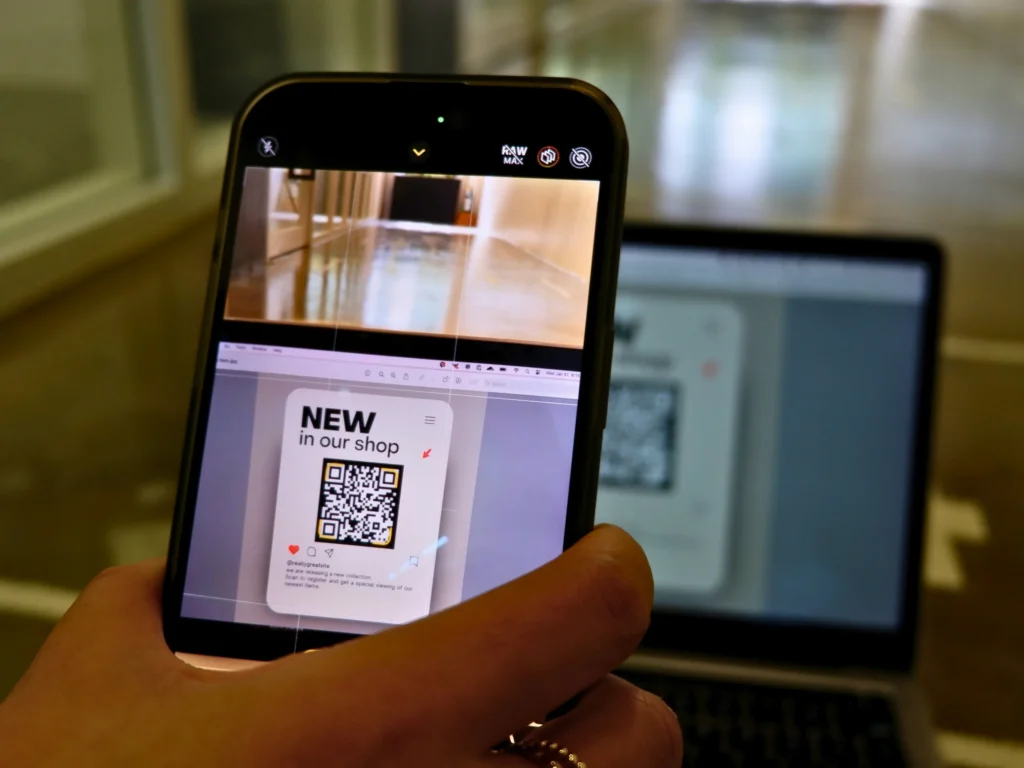
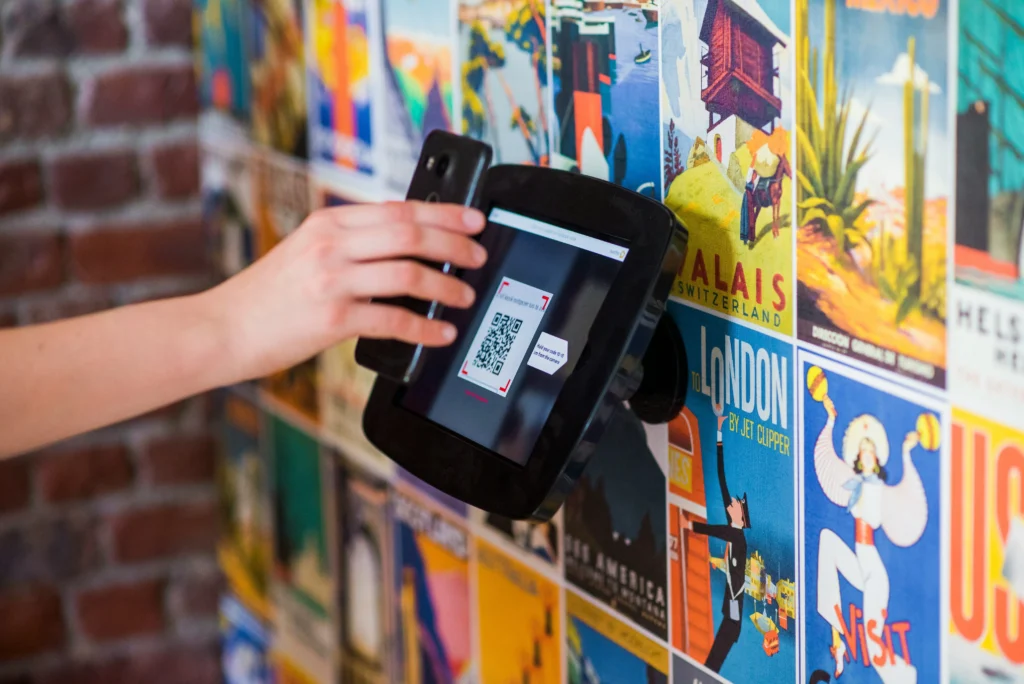
Quishing, a criminal activity focused on altering QR codes, replaces legitimate codes in physical establishments or sends manipulated images in digital invoices and payment requests.
By scanning the fake code with their cell phone camera, the victim is redirected to a malicious website that captures credentials or executes unwanted Pix payments.
Because these visual codes hide the original destination URL, the user hardly notices the dangerous redirection before completing the financial transaction on the screen.
Analyzing the escalation of this scenario requires monitoring the... growth of digital scams in different sectors, understanding the main techniques used by fraudsters and the damage caused.
| Fraud Technique | Dissemination Channel | Mechanism of Action | Focus of the Attack |
|---|---|---|---|
| Smishing | SMS messages | Direct links to fake bank websites | Theft of credentials and passwords. |
| Quishing | Physical or digital QR Code | Redirecting to cloned gateways | Transfers via Pix and cards |
| Profile Cloning | WhatsApp and Telegram | Social engineering posing as family members | Financial emergency requests |
| False Support | Calls and messages | Remote access via third-party applications | Full control of the banking app. |
Analyzing the characteristics of each modality allows for the creation of more efficient defense barriers, drastically reducing the chances of falling into traps set by cybercriminals.
Why is social engineering so effective in these fraudulent schemes?
Instead of exploiting complex flaws in computer systems, social engineering manipulates basic human emotions, such as fear, greed, compassion, and the interlocutor's immediate curiosity.
Criminals use leaked information from social media to personalize messages, citing real names, social security numbers, or consumption habits to build a false sense of trust.
This meticulous personalization makes the victim believe they are talking to a real bank employee or a family member requesting urgent financial assistance.
Understanding growth of digital scams It requires analyzing how psychological manipulation overrides the traditional technical protections installed in the operating systems of modern smartphones.
To view official statistics on security incidents and cybersecurity alerts in Brazil, visit the portal of... Cert.br – Center for Studies, Response and Treatment of Security Incidents in Brazil.
What practical measures can be taken to prevent fraud involving fake messages and codes?
Being wary of alarming messages that demand immediate action, such as money transfers or urgent registration updates, constitutes the first line of defense for the informed consumer.
Checking the link address before clicking and verifying the recipient's name on the Pix confirmation screen prevents the mistaken transfer of funds.
Read more: Tips to avoid scams in WhatsApp and SMS messages.
Enabling two-step verification across all messaging apps prevents criminals from taking control of accounts on other unauthorized mobile devices.
Avoiding scanning exposed two-dimensional codes in public places without checking for stickers covering the original code protects against instant malicious redirects.
Simple digital hygiene practices ensure the integrity of personal data, protecting financial assets against the most frequent tactics of organized cybercrime.
When should you contact the authorities after being a victim of digital fraud?
Notifying the financial institution immediately after noticing the fraud allows you to activate the Pix Special Return Mechanism to try to recover the transferred amount.
Filing a police report at the Cybercrime Division or online formalizes the incident, providing crucial data for police investigations into specialized gangs.
Notifying contacts via messaging apps prevents fraudsters from using your identity to ask friends, coworkers, and close family members for money.
Learn more: Online loan scams: signs to identify them quickly
Follow the growth of digital scams It strengthens collective awareness, promoting a safer, more ethical, and protected virtual ecosystem for all of Brazilian society.
For guidance on protecting personal data and fundamental citizen rights in the digital environment, visit the [link/website/resource]. National Data Protection Authority – ANPD.
Awareness as a cornerstone of cybersecurity.
Containing the spread of online fraud requires a vigilant approach and the dissemination of accessible technical knowledge to the entire population of mobile technology users.
Checking the origin of links, verifying payment information, and using extra layers of authentication are essential habits in today's hyper-connected digital landscape.
Read more: How to avoid scams involving false promises of benefits in 2026
Adopt safe browsing practices today, protect your banking apps, and share preventative information with your family to avoid future financial losses.
FAQ (Frequently Asked Questions)
What should I do if I click on a suspicious link sent via message?
Disconnect your device from the internet immediately, change your bank account passwords using another secure device, and run a full antivirus scan on your mobile phone.
How does the Special Return Mechanism (MED) of Pix work?
MED is a tool created by the Central Bank that allows for the rapid analysis of fraud and the precautionary blocking of funds in the account of the suspected recipient.
Is it safe to scan QR codes from physical retail establishments?
Yes, as long as you check that the printed code hasn't been tampered with by a sticker placed over it and confirm the company name before paying.
Can WhatsApp be protected against remote intrusions?
Yes, enabling two-step verification with a PIN code and registering a recovery email prevents your account from being transferred to third-party devices.
