
Autonomous artificial intelligence: a technology that will dominate in 2026.
Advertisements
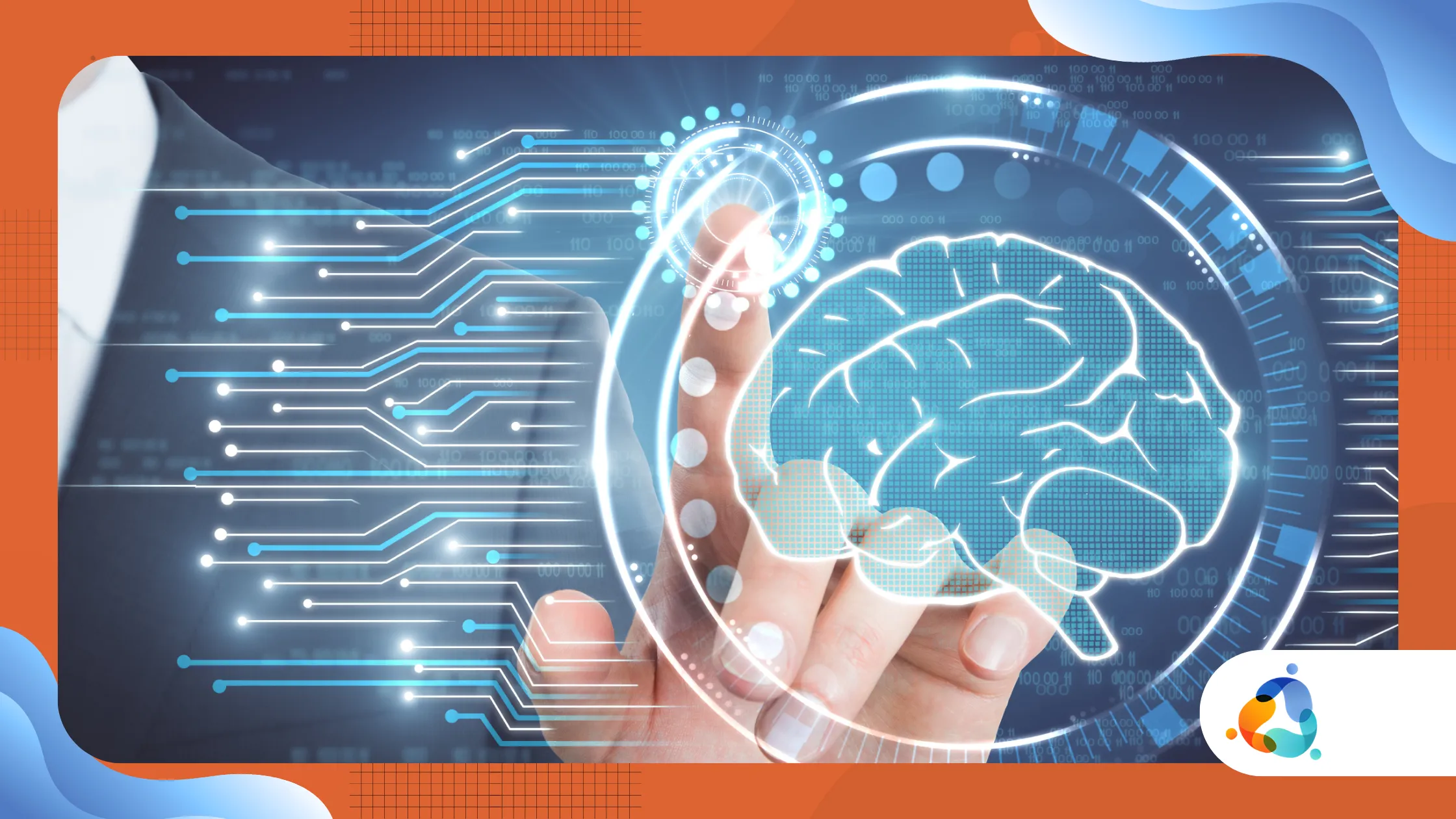
THE autonomous artificial intelligence technology It has ceased to be a futuristic promise and has become the central engine of global productivity in the first quarter of 2026.
Unlike previous models, which relied on constant human commands, current systems make complex decisions and execute complete workflows without direct supervision.
This article explores how this evolution is shaping the digital economy, ethics, and infrastructure.
You will understand the technical mechanisms, the sectoral impacts, and what to expect from this unprecedented autonomy.
Summary
- What defines autonomy in current AI?
- How do modern autonomous agents operate?
- Why 2026 is the year of the technological breakthrough.
- Which sectors are leading the practical implementation?
- Comparative table: Generative AI vs. Autonomous AI
- The future of human-machine collaboration
- FAQ and Final Considerations
What is autonomous artificial intelligence and how does it differ from generative AI?
The essence of autonomous artificial intelligence technology The key lies in its self-management capability. While generative AI focuses on creating content on demand, autonomous AI plans and executes goals.
These systems utilize "Agent" architectures that break down macro-objectives into micro-tasks. They evaluate progress, correct code errors in real time, and independently retrieve external information.
Advertisements
The big difference lies in the feedback loop. An autonomous system not only responds; it anticipates needs and operates in dynamic environments, adjusting to unforeseen variables without external intervention.
How will autonomous agent architecture work in 2026?
The technical operation is based on advanced reasoning loops, such as the Chain of Thought (Chain of Thought) integrated with long-term memories.
This allows the tool to learn from past interactions.
Virtual sensors and APIs connect these agents to global databases and enterprise software.
The machine analyzes the context, selects the appropriate tool, and executes the necessary action to complete the project.
Security is ensured by layers of "Guardrails" protocols. These barriers prevent autonomy from exceeding ethical or operational limits, keeping the system aligned with the values and objectives of the responsible organization.
Why autonomous artificial intelligence is the dominant technology now
The convergence of specialized hardware and efficient new language models enabled this dominance in 2026.
Read more: Adaptive cybersecurity in 2026: trends and how to protect yourself.
Edge processing (Edge Computing) drastically reduced the latency of autonomous responses.
Companies that have adopted autonomous artificial intelligence technology They reduced operating costs by up to 40%.
Scalability has become limitless, as processes no longer depend exclusively on the speed of human response.
Furthermore, the accuracy of these systems in repetitive tasks and the analysis of large volumes of data surpassed biological capabilities.
The market has rewarded efficiency, making autonomy the corporate gold standard.
What are the main practical use cases in various sectors?
In the financial sector, independent agents manage entire portfolios, reacting to market fluctuations in milliseconds.
They execute complex hedging strategies that previously would have required entire teams of senior analysts.
Global logistics now relies on neural networks that coordinate fleets of vehicles and warehouses.
These systems optimize routes in real time, taking into account weather, traffic, and demand, ensuring extremely fast deliveries.
In medicine, the autonomous artificial intelligence technology It assists in preventive diagnoses by continuously monitoring patients.
The systems alert medical teams and adjust medication dosages in independently connected hospital equipment.
Technical Comparison of Evolution
| Feature | Generative AI (2023-2024) | Autonomous AI (2026) |
| Dependence | High (Human Prompt) | Low (Defined objective) |
| Execution | Text/image creation | End-to-end workflows |
| Apprenticeship | Static (Training base) | Dynamic (Real-time experience) |
| Decision Making | Suggestive | Executive and Independent |
| Interactivity | Chat and Dialogue | Actions in software and APIs |
How governance and ethics limit or promote autonomy.
The debate about responsibility has become central to the development of autonomous artificial intelligence technology.
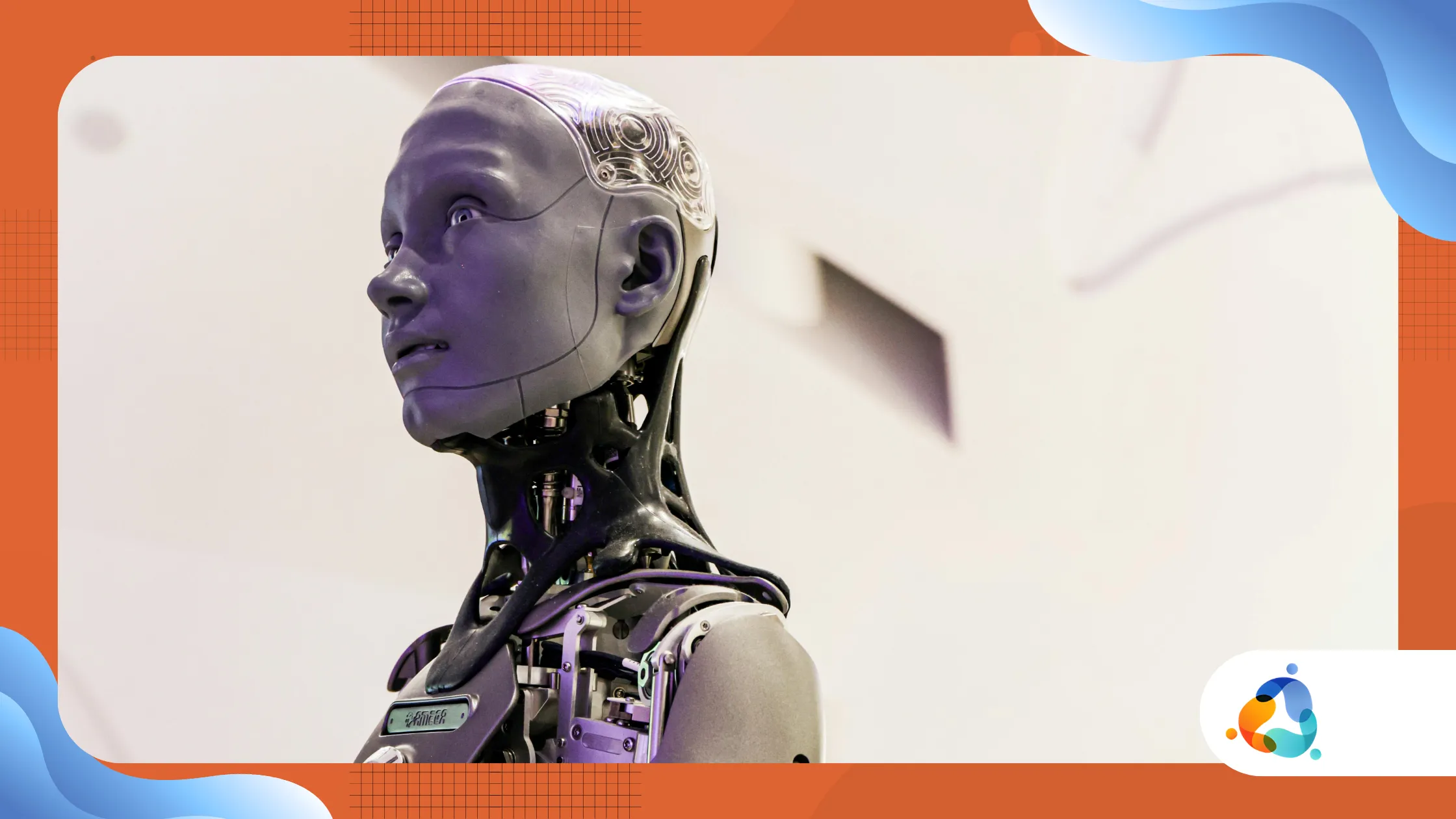
Governments have established stringent regulatory frameworks to ensure transparency in machine decision-making processes.
To learn more about global security standards, you can consult the guidelines of... International Organization for Standardization (ISO), which defines standards for intelligent systems.
Ethics is no longer an obstacle, but a competitive advantage. Companies that demonstrate clear auditing of their AI gain consumer trust, driving widespread technological adoption.
When should companies migrate to autonomous decision-making systems?
Migration should occur when the complexity of the data exceeds the capacity for manual processing.
If latency in human decision-making leads to financial losses, then autonomous automation becomes a vital necessity.
++ Multimodal AI in 2026: How this technology is transforming everything.
Many organizations begin this transition in their IT and customer support departments.
In these environments, the autonomous artificial intelligence technology It can solve common technical problems immediately, freeing up humans for innovation.
The ideal time is now, given that the cloud infrastructure is fully adapted to host these agents.
Delays in implementation could mean a loss of competitive relevance in the global market.
What technical challenges still persist in achieving full autonomy?
Despite the advancements, the energy consumption required to keep autonomous models running 24/7 remains a challenge.
Researchers are seeking more sustainable architectures and models with smaller parameters, yet smarter and more effective.
Interpretability is another critical point for today's software engineers.
Understanding exactly why an agent made a specific decision in a chaotic scenario requires highly sophisticated monitoring tools.
Interoperability between different autonomous systems is also under development.
++ Visual filter and video editing apps: trends for social media.
The goal is to create a universal language where agents from different suppliers can collaborate on multidisciplinary projects without technical friction.
Conclusion
THE autonomous artificial intelligence technology It redefines our relationship with work and innovation.
It doesn't replace human intellect, but amplifies it, taking over the execution of tasks that previously consumed our precious time.
In 2026, success depends on the ability to orchestrate these agents wisely and ethically.
The future belongs to organizations that balance machine efficiency with strategic vision and human empathy.
To keep up with regulatory updates on this topic in Brazil, visit the official website of... Ministry of Science, Technology and Innovation, which leads national AI policies.
Frequently Asked Questions about Autonomous AI
Can autonomous AI make dangerous decisions on its own?
Modern systems have layers of security called "Constitutional AI".
These fundamental rules prevent harmful actions, ensuring that the agent always operates within predefined ethical and legal parameters.
What is the impact of autonomous artificial intelligence technology on the job market?
A shift in roles occurs: operational tasks are automated, while new demands for "AI Orchestrators" emerge.
The professional focus shifts towards strategy, ethical oversight, and high-level creativity.
Is it safe to entrust sensitive data to autonomous agents?
Security in 2026 utilizes homomorphic encryption, allowing AI to process data without ever "seeing" it in decrypted form.
This ensures complete privacy while the system performs its analysis functions.
How can I start implementing autonomy in my company?
The first step is to map repetitive processes that rely on data analysis.
Utilize agent orchestration platforms to automate these flows, monitoring the results through clear and objective KPIs.
Does autonomous AI have consciousness?
No, autonomy refers to the ability to execute and make logical decisions without supervision.
Systems do not possess feelings, consciousness, or desires of their own; they merely follow advanced goal-optimization algorithms.
