
Avoiding scams with fake QR codes: how to quickly identify them
Advertisements
Avoid scams using fake QR codes. It has become an indispensable digital survival skill by 2026, as instant payments dominate everyday commercial interactions in Brazil.
Although Quick Response technology has facilitated transfers and access, it has also opened a loophole for criminals who exploit consumer trust.
There is something unsettling about how quickly a simple scan can divert funds or compromise banking data without the victim immediately realizing the fraud.
Advertisements
Understanding the anatomy of these attacks is the first step to avoid becoming a cybercrime statistic. Let's explore the most common spoofing tactics, how current security systems attempt to mitigate risks, and what you should check within seconds before confirming any transaction.
What are fake QR code scams and how have they evolved?
Basically, these scams involve altering legitimate code with fraudulent code, which redirects money or the user to an environment controlled by criminals.
Years ago, scams were crude, but today fraudsters use high-quality stickers or digital overlays on live streams to deceive the public.
The goal is to intercept the financial flow, making you believe you are paying a merchant when, in reality, you are sending money to a "dummy" account.
To Avoid scams using fake QR codes., It must be recognized that the threat is invisible to the naked eye and resides entirely in the information encoded within the black and white modules.
The sophistication of these criminal gangs requires users to adopt a "zero trust" stance until the destination data has been properly verified.
How do criminals manage to replace codes in public places?
The most common technique is "quishing," where stickers are discreetly placed over the original codes on menus, parking kiosks, or self-service counters.
In busy environments, the criminal takes advantage of the consumer's distraction and the establishment's haste to carry out the physical exchange without immediately raising anyone's suspicions.
Another dangerous aspect occurs in the digital realm, with emails and WhatsApp messages that simulate overdue bills for essential services containing falsified codes.
This is often misinterpreted as a flaw in the Pix system, but it is purely a manipulation of human perception and the urgency generated by fake payment slips.
Paying attention to the raised texture of stickers on physical surfaces is a rudimentary, yet effective, technique for quickly identifying attempts at visual fraud.
To understand the official security guidelines for instant transactions, visit the portal of Central Bank of Brazil It offers detailed manuals on how Pix works and the layers of protection for the user.
What are the visual signs of a tampered code in the physical world?
Be wary of QR codes that have irregular edges, colors that are slightly different from the rest of the artwork, or that are pasted crookedly onto the original material.
In restaurants, check that all table codes are identical; if one of them looks too new or is made of a different material, there's a good chance it's fake.
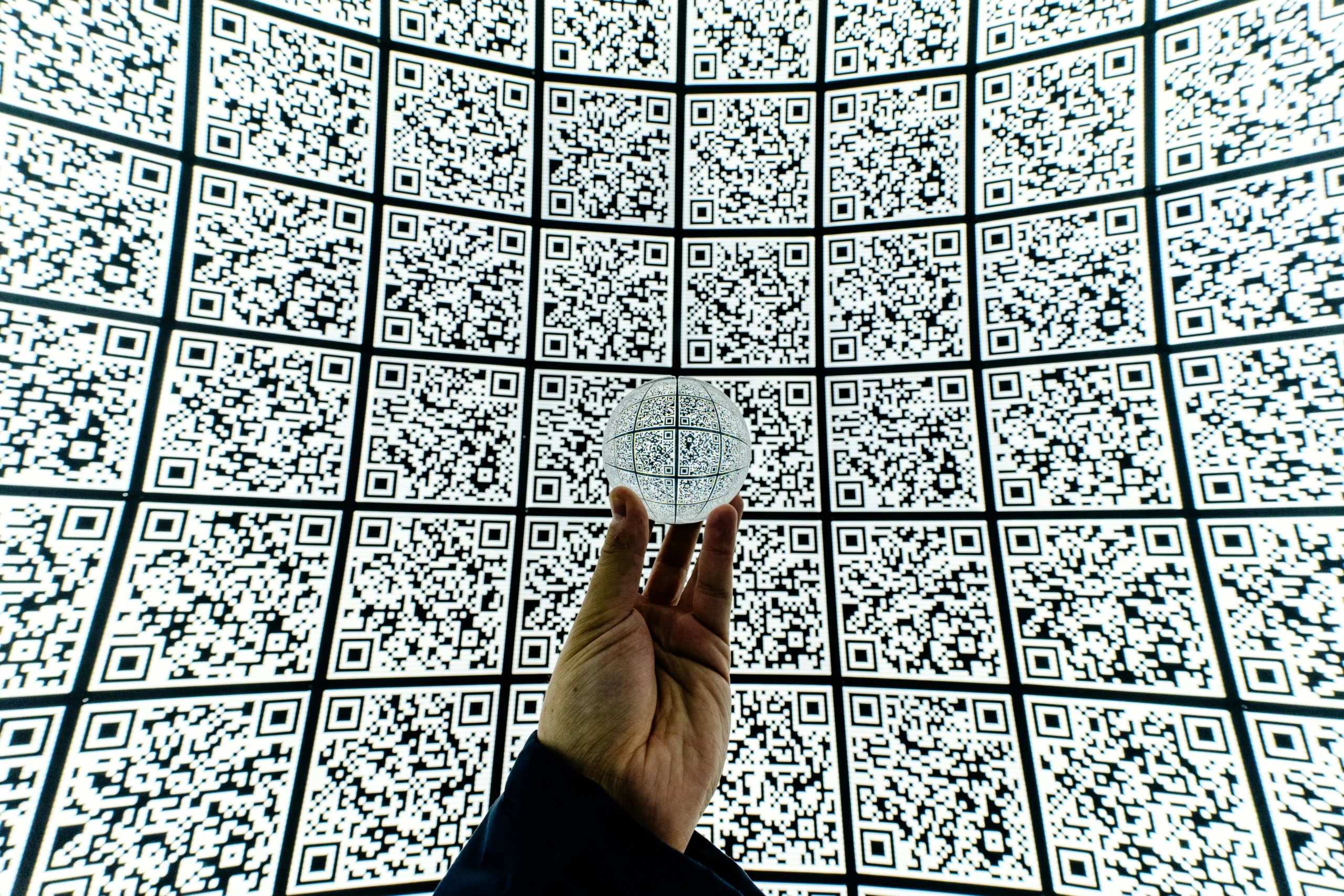
Criminals also use flyers left on car windshields, promising unrealistic discounts through a quick scan that actually captures the user's access tokens.
Read more: 5 hidden phone settings that increase security and almost no one activates.
Digital hygiene involves avoiding reading codes of dubious origin or those that offer advantages that seem too good to be true in 2026.
Keeping the system and security applications up to date helps, but the critical judgment of the human factor remains the most robust tool.
How to Identify a Suspicious QR Code
The table below serves as a quick guide for everyday use, highlighting the points of attention that should be observed in each payment or access attempt.
| Analysis Point | Secure (Legitimate) QR Code | Suspicious QR Code (Possible Scam) |
| Surface | Printed directly onto the material. | Sticker pasted over the original artwork. |
| Recipient | Company name or corporate name | Individual's name (CPF) unknown |
| Redirection | Official website using HTTPS protocol. | shortened URLs or URLs with strange names |
| Context | Requested by you or by the cashier | Sent via SMS or "urgent" email“ |
| Visual Quality | Clear and well positioned | Blurred, distorted, or with altered colors. |
| Data Request | It only processes the payment. | It asks for extra passwords or personal information. |
How does artificial intelligence help prevent scams involving fake QR codes?
Currently, financial institutions use behavioral analysis algorithms that block atypical transactions or transactions for accounts identified as high-risk.
When a code is scanned, the system cross-references the recipient's information with global fraud databases in real time, issuing alerts if the destination is suspicious.
This invisible layer of protection has drastically reduced losses, but it does not replace the caution of the end user, who can still force the transaction.
Read more: Autonomous artificial intelligence: a technology that will dominate in 2026.
To Avoid scams using fake QR codes., It is crucial to heed the "Suspicious Account" warnings issued by your bank, rather than ignoring them out of haste.
Technology works alongside you, but criminal social engineering still exploits the most basic human flaw: a lack of attention to obvious details.
When should you avoid absolutely scanning code?
Never use your phone's reader on codes sent by strangers on social media or in ads that promise immediate and easy financial gains.
The social media environment is a fertile ground for the spread of QR codes which, when scanned, request access permissions to your profile or install malicious files.

If an invoice arrives through unofficial channels and the code looks strange, it's best to manually enter the barcode or find the payment slip on the official website.
Learn more: How to avoid scams on benefits or finance apps
The task of Avoid scams using fake QR codes. It requires you to regain control over how and where you enter your financial information, avoiding dangerous shortcuts.
Remember that reputable institutions rarely request urgent payments via QR Code through informal communication channels or private messaging networks.
For guidance on how to report cybercrimes and seek legal assistance, the portal Secure Internet It brings together essential resources for the protection of citizens in the Brazilian digital environment.
FAQ: Frequently Asked Questions
Could scanning a fake QR code infect my phone with a virus?
Yes, if the code redirects to a website that automatically downloads malicious files or if it exploits vulnerabilities in your outdated browser.
Does the bank refund the money in case of QR code fraud?
It depends on the analysis; if it is proven that there was a security failure on the part of the bank, the refund will occur, but if it is determined to be user error, reimbursement is unlikely.
How to avoid scams involving fake QR codes during TV broadcasts?
Check if the code has the broadcaster's watermark or if the web address that appears on the screen matches the official website of the advertising company.
Is "Pix Copy and Paste" more secure than QR Code?
Both use the same logic; security lies not in the format, but in the rigorous verification of the recipient's data before confirming the transfer of funds.
Is there an app that checks if a QR code is secure?
Many mobile browsers and antivirus programs already have this function integrated, analyzing the destination link before opening the page, which adds an extra layer of protection.
