
Smartphones designed for demanding AI apps and video editing: what to consider before buying.

Advertisements
Find phones prepared for demanding AI apps It requires a clinical eye that goes beyond traditional technical specifications, because neural network processing today demands a hardware synergy that conventional CPUs cannot deliver on their own.
This guide dissects the engineering behind the devices that truly support the workload of local generative models and ultra-high-resolution video editing, separating the marketing from the actual performance.
Summary
- The anatomy of performance: beyond the raw numbers.
- NPU: the silent heart of artificial intelligence.
- RAM and bandwidth: why size isn't everything.
- Thermal management and the throttling barrier.
- Screens and the science of color fidelity.
- An in-depth look at the market-leading chipsets.
- FAQ: What they haven't told you yet about mobile AI.
What actually defines phones that are ready for demanding AI apps?
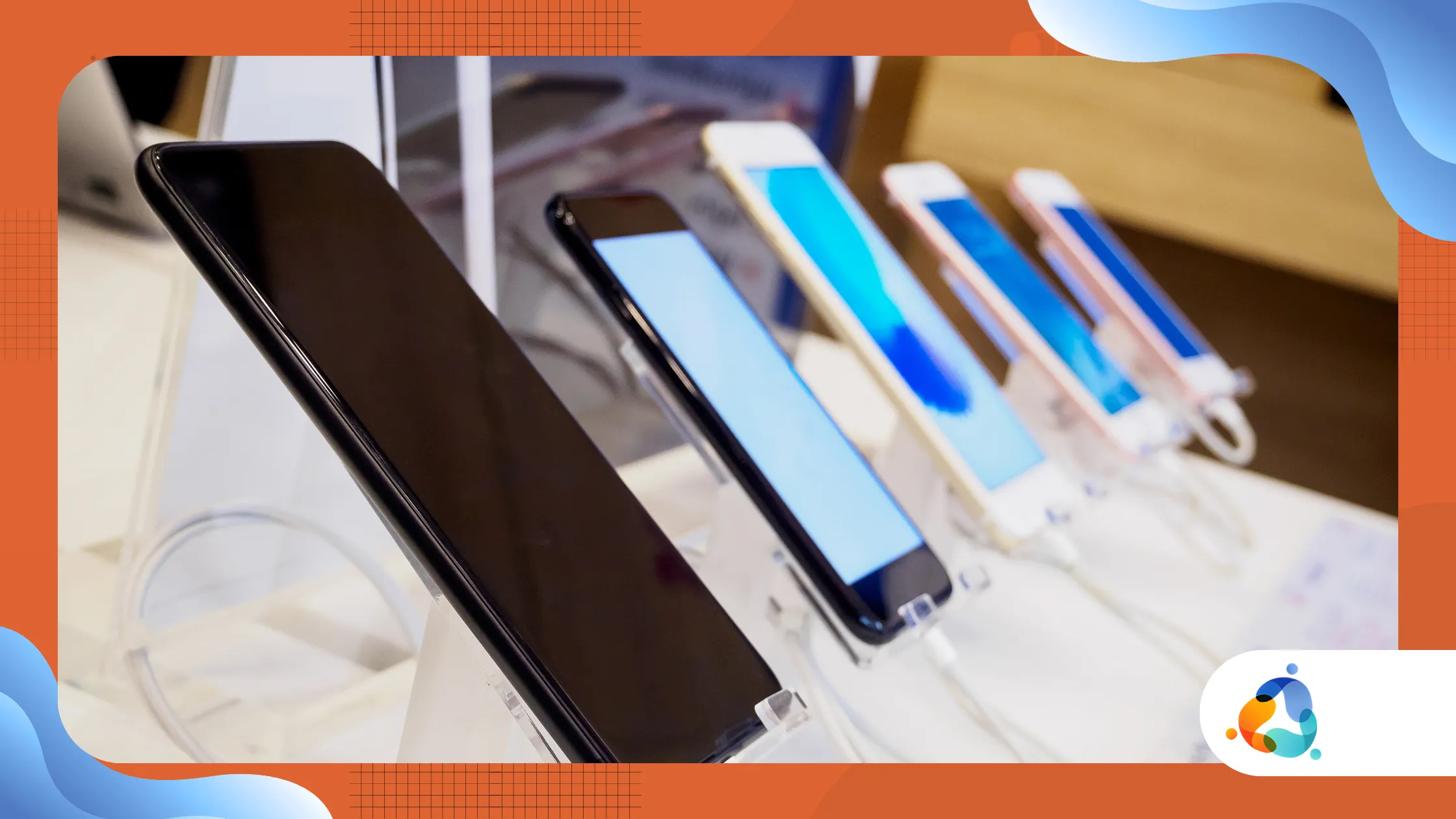
Forget the idea that a fast processor solves everything.
A device truly suited for modern AI is not merely a cloud access terminal, but an edge computing station capable of running heavy Learning Language Models (LLMs) without needing Wi-Fi.
The secret lies in the low-latency architecture.
When you request a generative image expansion or simultaneous translation, the system decides, in milliseconds, how to distribute that workload among the cores.
Advertisements
There's something technical and almost artistic about how modern silicon handles trillions of operations without draining the battery in ten minutes.
For those who make a living from video editing, the UFS 4.0 standard has gone from being a luxury to becoming the lifeblood of the system.
Without it, reading RAW or 8K files creates a bottleneck that no amount of RAM, no matter how large, can compensate for.
The rise of NPU in the professional editing workflow
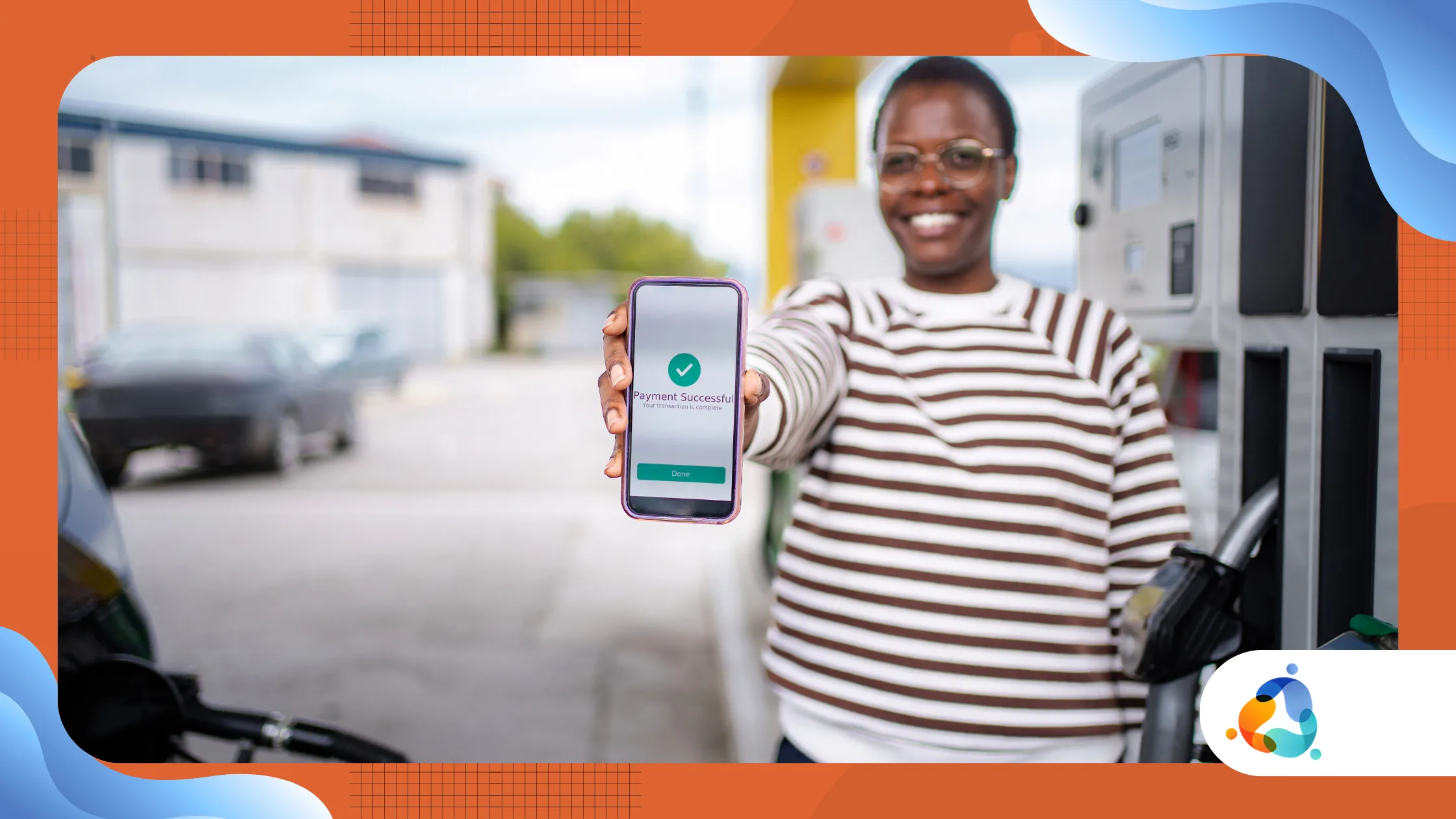
The Neural Processing Unit (NPU) has gone from being an obscure co-processor to setting the pace for the industry.
++Brazilian betting apps that will lead in downloads in 2026.
While the GPU used to handle the heavy lifting of rendering, today the NPU performs the most sophisticated tasks, such as intelligent tracking of moving objects and the removal of complex backgrounds.
When searching phones prepared for demanding AI apps, The TOPS (Tera Operations Per Second) metric is your guide, but beware: high numbers without software optimization are just technical vanity.
An efficient NPU allows neural filters to run cool, preserving the integrity of the components in the long term.
This transition to specialized processing is what allows, for example, a smartphone to apply... color grading in real time during recording, something that until recently required hours of post-production on desktop machines.
RAM memory: the reservoir that sustains creativity.
The discussion about RAM has reached a new level.
In 2026, having 12 GB or 16 GB of free space isn't just about keeping browser tabs open, but about handling the immense load of neural networks that reside in volatile memory.
The use of LPDDR5X technology is the game-changer here.
++AI-powered mobile phones: key offline features in 2026
Bandwidth determines whether your editing application will "stutter" when applying a complex transition or whether it will have immediate fluidity.
Often, the bottleneck in a powerful cell phone is not the processor, but the slowness with which data travels between memory and the processing unit.
Unified memory architectures, like those seen in Apple's product line, demonstrate that deep integration often triumphs over brute force.
For the video editor, this means less waiting time and more time creating, without the dreaded forced shutdowns due to lack of resources.
The thermal challenge and the sustainability of performance.
It's pointless to boast about having the fastest chipset of the year if it can only maintain that speed for five minutes.
Overheating generates thermal throttling, a defense mechanism where the system "hits the brakes" to avoid melting the internal circuits.
High-end models now feature steam chambers that occupy almost the entire internal area of the device.
++Cell phones with the best battery: the autonomy champions
It is this invisible engineering that separates a gaming or professional cell phone from a conventional model.
If you intend to render a ten-minute project in 4K, heat dissipation will be your best friend or your worst enemy.
A good thermal system keeps the screen at maximum brightness and the processor at peak frequency, ensuring that the performance at the end of rendering is identical to that at the beginning.
The screen as a window to technical precision.
For editors, the screen is the ultimate tool for verification.
Modern OLED panels with LTPO technology are essential, not only for energy savings, but also for their ability to display pure blacks and colors that don't mislead the editor.
DCI-P3 space coverage needs to be absolute.
Mobile phones prepared for demanding AI apps. They often include factory calibration profiles that mimic studio reference monitors.
Working on a poorly calibrated display is like painting in the dark: the end result will rarely be what you intended.
Visibility under sunlight, measured in peak nits, has also evolved dramatically.
Being able to edit content on-site during recording, under bright sunlight, without losing contrast perception, is a competitive advantage that shouldn't be ignored.
To delve into the technical specifications of the semiconductors that enable these feats, the portal of Qualcomm It offers detailed insights into how silicon is being shaped for the age of artificial intelligence.
Performance Under the Microscope: A Comparison of Chipsets 2026
| Chipset | AI Operations (TOPS) | Rendering Capability | Memory Pattern |
| Snapdragon 8 Gen 4 | 75+ | Excellent (8K/60fps) | LPDDR5X / UFS 4.0 |
| Apple A19 Pro | 60+ | Superior (ProRes Workflow) | Unified Memory |
| MediaTek Dimensity 9400 | 70+ | High (4K/120fps) | LPDDR5X |
| Exynos 2600 | 65+ | Robust (8K Multi-stream) | LPDDR5X |
Storage and logistics of high definition
Storage space for files has become one of the most expensive and vital components.
Recording in professional formats like ProRes or using AI models that generate large files requires, above all, resilient storage.
The recommendation of 512 GB as a base for professionals is not an exaggeration; it's pragmatism.
In addition to volume, the write speed of the UFS 4.0 standard is what allows the phone to save high-resolution frames without creating queues in the camera buffer.
Always check the USB-C port version. A device that processes everything in seconds but takes hours to transfer data via cable because it uses an older standard (like USB 2.0, still present in some models) is a strategic purchasing mistake.
Autonomy under stress: the battery factor
Energy consumption in AI and video streams is aggressive.
Batteries by 2026 will utilize new silicon-carbon densities to offer more capacity in smaller bodies, but software will still be the master of ceremonies.
Mobile phones prepared for demanding AI apps. They utilize ultra-efficient cores for simple tasks, reserving "heavy artillery" only for what is necessary.
However, for those who work in the field, fast charging above 65W is the safety net that allows them to return to work during coffee breaks.
The longevity of the battery cell should also be considered.
Charging processes that manage temperature protect the investment, ensuring that the device does not lose full capacity after a few months of heavy use.
The symbiosis between software and hardware.
Having stellar hardware is only half the equation.
The maturity of the operating system and machine learning APIs determines whether third-party applications will be able to natively utilize the NPU or overload the CPU.
Elite developers optimize their tools first for chipsets that offer clear documentation and stability.
Therefore, brands that maintain close partnerships with software giants tend to deliver a much smoother and more predictable user experience.
Support for peripherals, from external SSDs to audio interfaces, completes the ecosystem.
A powerful smartphone should be able to act as the core of a larger production setup, without artificial software limitations.
The final choice should be a balance between what the hardware promises and what the software delivers.
For durability analyses and stress tests under real-world conditions, the GSMArena It remains the most reliable source for validating these specifications before opening your wallet.
What you need to know
Does a high-top rating guarantee that the phone is fast?
Not in isolation. The TOPS value indicates the theoretical potential of the NPU, but the actual speed depends on how the operating system distributes tasks and the speed of the RAM.
Is it worth buying a phone with less than 256 GB of storage for video editing?
Hardly. High-resolution videos and AI app caches consume space quickly. If the focus is professional, 512 GB is the ideal balance to avoid frustration.
Why does my phone get so hot when using AI filters?
AI requires massive and constant mathematical calculations. This effort generates latent heat; devices without advanced cooling systems suffer reduced performance to avoid physical damage.
Can system updates improve AI performance?
Yes. Frequently updated drivers optimize how software communicates with the NPU, potentially increasing processing speed and reducing power consumption in specific tasks.
