
45W charger: when it reduces charging time
Advertisements
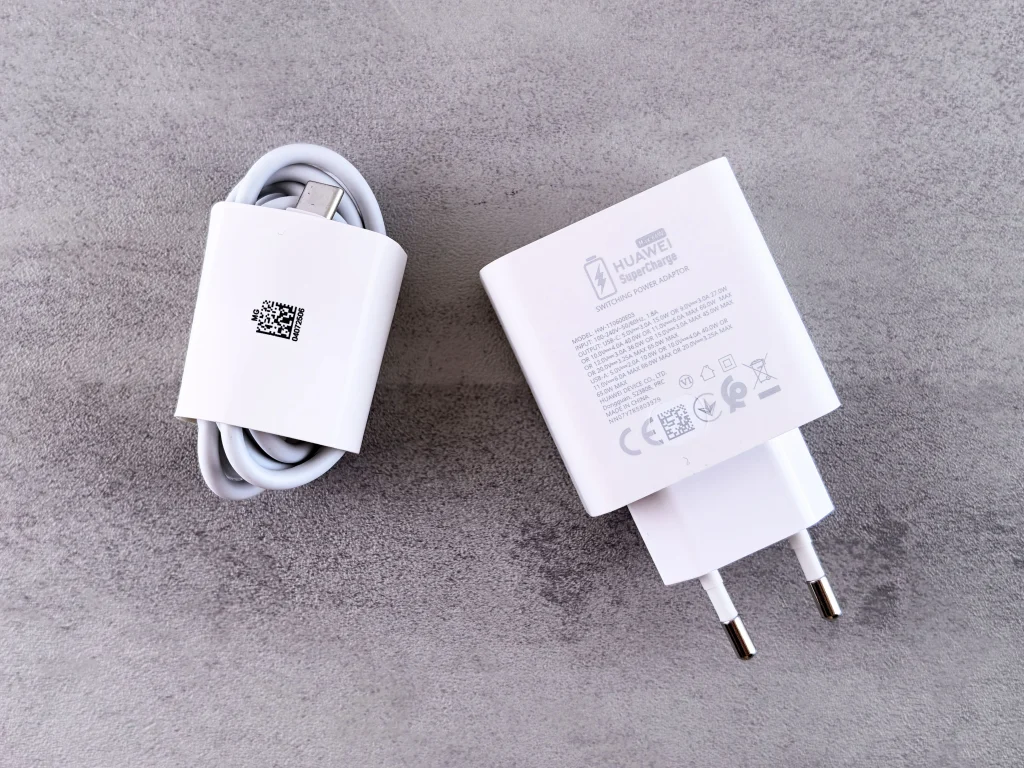
Acquire one 45W Charger This raises frequent questions about the actual speed gain in power replenishment for modern smartphones and compatible tablets.
Understanding fast charging protocols, device thermal limitations, and power specifications prevents unnecessary investments in accessories that are unsuitable for your daily life.
Analyzing energy performance in 2026 demonstrates that the advertised maximum nominal power does not always translate into maximum speed throughout the entire charging cycle.
What determines the actual charging speed in modern cell phones?
The speed depends primarily on the maximum absorption capacity supported by the smartphone's internal circuitry, and not just on the maximum power offered by the wall adapter.
Universal standards such as USB Power Delivery (USB-PD) and Programmable Power Supply (PPS) negotiate voltage and amperage in real time between the accessory and the device's battery.
Exceeding the power limit that the cell phone can handle will not damage the device, but the management system automatically limits the electrical flow to protect the chemical cells from overheating.
Advertisements
| Adapter Model | Maximum Power | Technological Protocol | Average Time (0% to 50%) |
| Standard Charger | 15W to 20W | Basic USB-PD | Approximately 45 to 55 minutes |
| 45W Charger | 45 Watts | Advanced USB-PD PPS | Approximately 20 to 25 minutes |
| High Power Charger | 65W or higher | Proprietary Protocols | It varies depending on the manufacturer. |
When does using a 45W charger actually reduce charging time?
The significant reduction in standby time occurs primarily in the first half of the battery cycle, a period in which the phone can safely handle high power surges.
When the charge indicator exceeds eighty percent, the system intentionally reduces the power received to preserve the lifespan of the lithium-ion battery.
Use a 45W Charger It makes a noticeable difference in high-end smartphones compatible with high input rates, such as advanced models from Samsung and other major brands.
Technical manuals on electrical safety and specifications for USB ports are published by the consortium. USB-IF, ensuring universal standards for the market.
Certified accessories prevent sudden voltage drops, ensuring thermal stability during prolonged energy replenishment sessions on hot days or during intensive use of the device.
Why do some powerful cell phones not take full advantage of this power?
Manufacturers limit the maximum energy input for thermal engineering reasons, preventing premature wear of the cells and excessive heating in the palm of the hand.
Read more: Qi2 wireless charging: compatible mobile phones
A smartphone designed to accept a maximum of 25 watts will work perfectly well with more powerful power sources, but will only consume the portion of energy that its internal circuitry can tolerate.
Checking for PPS standard compatibility in the manufacturer's manuals ensures that the chosen accessory enables ultra-fast charging modes without software limitations.
Independent laboratory tests on the energy efficiency and durability of mobile batteries are regularly detailed on the portal of GSMArena, a global technical reference.
Knowing these technical limitations prevents frustration when you find that a robust adapter delivers identical results to mid-range models on certain entry-level or mid-range devices.
How do I choose the right cable to go with my power adapter?
Standard USB-C cables, limited to three amps, cannot transmit high currents, preventing the system from activating the maximum available power transfer rates.
Learn more: IP68 protection for mobile phones: what it really covers.
Accessories rated to handle five amps have integrated E-Marker chips, signaling to the charger that the physical structure can withstand high loads without risk of melting or short-circuiting.
Investing in certified cables ensures the full delivery of the advertised power, optimizing the overall performance of the charging system in any home or office outlet.
Does continuous high-power use wear out the battery faster?
Modern thermal management systems constantly monitor the internal temperature, reducing the electrical current whenever excessive heat threatens the chemical integrity of the cells.
Although heat is the main factor in battery degradation over the years, current algorithms mitigate negative impacts during daily fast charging.
Read more: The Truth About Universal Charger Compatibility
Disconnecting the device as soon as it reaches a full charge and avoiding using it for heavy tasks while it is plugged in preserves the longevity of the power component.
Frequently Asked Questions (FAQ)
Can I use a 45W charger on older 15W cell phones?
Yes, the adapter automatically adjusts the power delivery to the safe limit supported by the old device, without causing any damage or electrical overload.
Do all 45W chargers work the same with all smartphone brands?
No, brands that use proprietary closed protocols may require specific chargers from the same manufacturer to achieve the advertised maximum charging speed.
Does the charger draw a lot of power from the outlet even when the phone is not plugged in?
The power consumption while idle is extremely low, almost imperceptible on the electricity bill, but unplugging it when not in use is a good preventative practice.
