
Qi2 wireless charging: compatible mobile phones
Advertisements
THE Qi2 wireless charging It revolutionized the way we power smartphone batteries, bringing magnetic alignment and higher speeds to the global mobile ecosystem.
Developed by the Wireless Power Consortium, this open standard solves long-standing energy efficiency problems that plagued previous generations, optimizing the flow of electricity in a much safer way.
Understanding how this technology works allows consumers to choose their next devices with greater clarity, making the most of modern accessories available in today's technology market.
What is Qi2 technology and how does it improve the efficiency of wireless charging?
Created from the MagSafe magnetic base provided by Apple, this standard introduces the Magnetic Power Profile to perfectly align the transmitter with the receiver.
Advertisements
This precise physical fit drastically reduces energy loss due to heat dissipation, one of the biggest problems that prematurely degrades the lifespan of internal batteries.
In addition to greater efficiency, the specification allows for stable transmissions of up to 15 watts of power, ensuring substantially faster recharges than the original 5-watt Qi standard.
To view all the technical details of the ecosystem and its official global specifications, visit the portal of Wireless Power Consortium (WPC).
The consolidation of this open architecture ensures universal interoperability between different accessory manufacturers and smartphone manufacturers on a global scale without proprietary restrictions.
Which cell phones already have native support for Qi2 wireless charging?
Apple devices from the iPhone 13 onwards, updated with recent versions of iOS, already have official built-in compatibility for high-speed magnetic charging.
In the Android ecosystem, new top-of-the-line models have adopted internal magnetic rings to deliver full support for the specification without relying on third-party adapter cases.
Below, we present a practical comparison of technical support and real-world operational specifications currently found in the leading mobile devices on the technology market.
| Smartphone Model | Native Qi2 support | Maximum Load Power | Need for Magnetic Accessory |
| iPhone 15 and 16 (All versions) | Yes (Native) | 15 Watts | Not required (Integrated inner ring) |
| iPhone 13 and 14 (Complete Series) | Yes (Via Firmware) | 15 Watts | Not required (Integrated inner ring) |
| HMD Skyline | Yes (Native) | 15 Watts | Not required (Integrated inner ring) |
| Samsung Galaxy S24 / S25 | Partial (Standard Qi) | 15 Watts (Qi1) / 15W Qi2 | Requires a certified magnetic cover. |
Understanding these structural differences helps users purchase the right charger without spending extra money on accessories that are incompatible with their device.
Why is the presence of magnets fundamental in this new magnetic pattern?
The millimeter-precise alignment provided by the magnets ensures that the induction coils remain perfectly superimposed throughout the continuous process of electrical energy transfer.
When a phone is misaligned on a traditional base, the electrical current generates excessive heat without delivering the necessary charge to complete the battery cycle.
Magnetic locking prevents accidental disconnections caused by notification vibration, maintaining stable transfer even during mobile use on unstable vehicle surfaces.
Read more: 5 myths and truths about cell phone charging
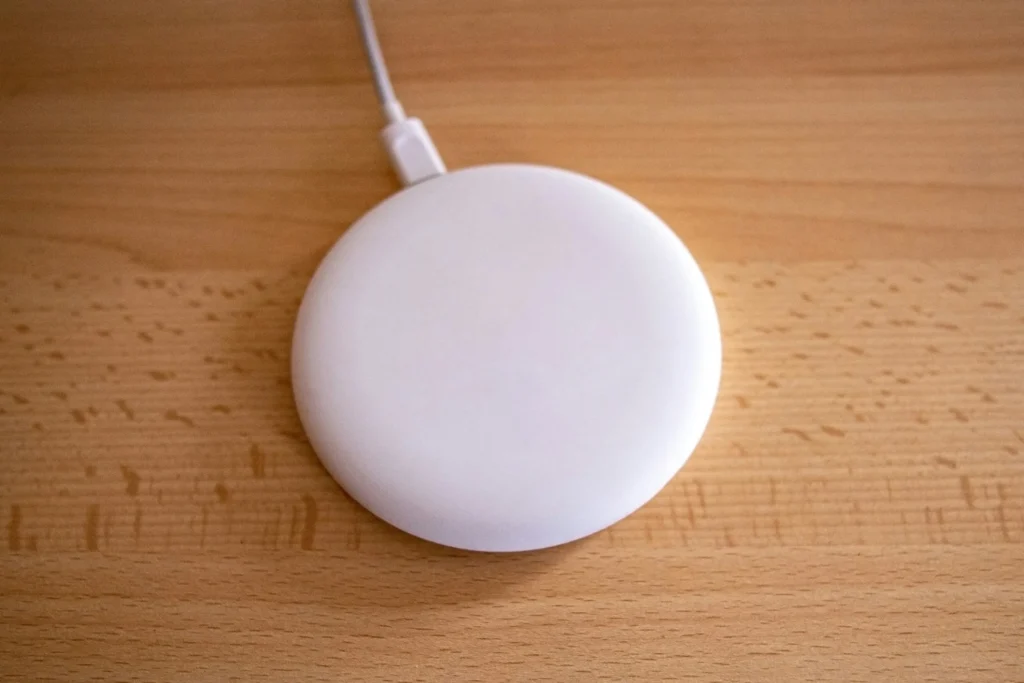
Additionally, this firm mechanical fit enabled the emergence of floating mounts, smart vehicle bases, and compact portable chargers that are much more practical for everyday use.
This is an ergonomic evolution that transforms the user experience, making inductive charging as fast and reliable as a conventional cable.
How to find out if your old smartphone is compatible with the Qi2 wireless charging?
Devices that only supported the first version of the Qi standard can receive energy from magnetic bases, but are limited to reduced speed and lack magnetic attachment.
Adding protective cases equipped with magnetic rings improves the device's stability on the base, but does not increase the transfer rate supported by the internal hardware.
Learn more: Private DNS on Android: How to improve privacy and security
Consulting the manufacturer's manual or checking the device's hardware settings will clarify whether the internal circuitry supports the new thermal management requirements.
Avoid using low-quality metallic stickers placed on the back of your cell phone, as they can negatively interfere with electromagnetic induction waves.
Identifying the certification engraved on the accessory packaging ensures that the product meets strict international safety protocols against short circuits and overheating.
What are the main advantages of migrating to this new charging technology?
The major advantage lies in the unification of standards, allowing users of different operating systems to share the same magnetic accessories without any kind of restriction.
The substantial reduction in operating temperature preserves the long-term chemical integrity of the battery, decreasing premature wear that affects the phone's battery life.
Read more: Cell phone battery malfunction: signs before replacement is necessary.
The convenience of propping up your smartphone and getting instant alignment without needing to adjust the exact position saves time and prevents charging failures overnight.
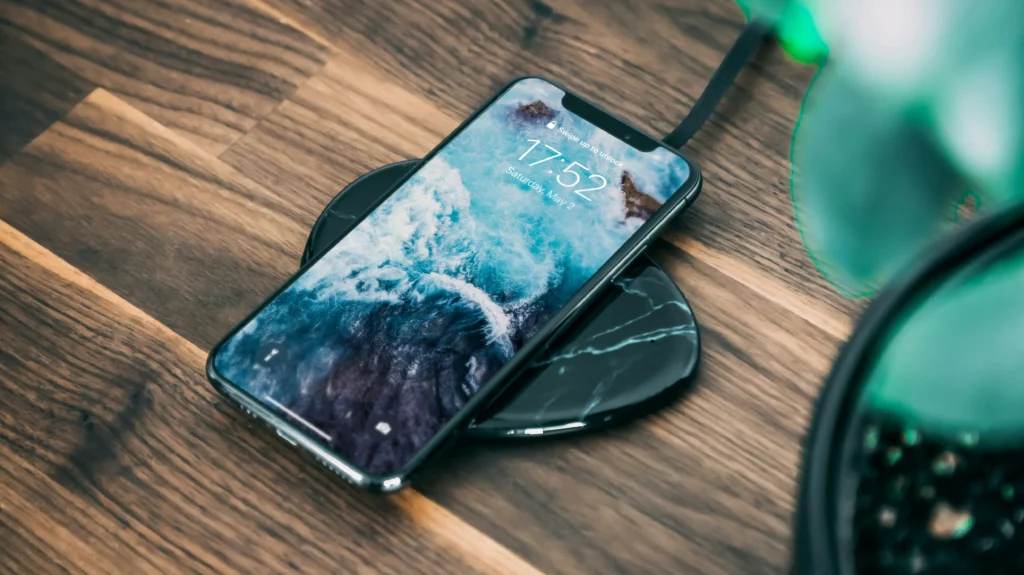
Furthermore, the rapid expansion of this ecosystem is driving the emergence of multifunctional charging stations capable of powering cell phones, headphones, and watches simultaneously.
The industry is rapidly moving towards the complete elimination of physical doors, making the Qi2 wireless charging The ultimate infrastructure for future mobile connectivity.
What can we expect from the future of the Qi2 ecosystem in new industrial launches?
The global trend indicates the progressive inclusion of magnetic coils in mid-range devices, democratizing access to this advanced technology for a larger segment of the population.
Gradual power increases and new intelligent communication protocols between charger and smartphone are expected in future updates developed by the consortium responsible.
Integrating this ecosystem into automotive panels and residential furniture will make inductive charging an invisible, continuous experience, fully integrated into daily human life.
Keeping up with these technological innovations ensures smarter choices when purchasing new digital equipment, combining energy efficiency with maximum practicality in everyday life.
To access detailed analyses and security assessments of the latest mobile devices on the Brazilian market, please visit the portal of [website name/source]. National Institute of Metrology, Quality and Technology (Inmetro).
How to protect your cell phone battery and optimize the use of magnetic charging?
Adopting a proactive approach to mobile device care ensures greater hardware durability and prevents accelerated degradation of the power storage component.
The combination of certified accessories with conscious charging habits eliminates the negative impact of electrical surcharges or thermal variations that are harmful to the electronic system.
Maintaining good battery health ensures extended autonomy, increasing the device's value in the used goods market and reducing the premature generation of electronic waste.
FAQ (Frequently Asked Questions)
Does the Qi2 charger work with Apple MagSafe-enabled phones?
Yes, Qi2 technology was developed based on MagSafe technology, ensuring full compatibility and speeds of up to 15 watts between systems.
Use the Qi2 wireless charging Could it cause memory effect or damage to the cell phone battery?
No, magnetic alignment reduces heat emission, which is the biggest enemy of the battery, making the process safe for prolonged daily use.
Can I use a Qi2 charger on a phone that only has traditional Qi.
You can use it normally, however the phone will charge at the limited speed of the old standard and will not have magnetic attraction without a suitable special case.
Do I need to remove my phone case to use Qi2 magnetic charging?
If the cover is thin or has an integrated magnetic ring, it does not need to be removed; very thick covers without magnets may block induction.
