
IP68 protection for mobile phones: what it really covers.
Advertisements
Understanding the true scope of IP68 protection for mobile phones Avoid deep frustration, as this technical seal does not transform electronic devices into completely waterproof devices under all conditions.
Consumers often confuse water resistance with total impermeability, taking unnecessary risks by submerging devices in pools, oceans, or showers without knowing the real limitations of this international standard.
Knowing what this certification guarantees protects your investment against internal oxidation, charging failures, and loss of manufacturer warranty coverage in cases of domestic accidents.
We will analyze the technical specifications of the standard, the types of liquids covered, and the practical limits that determine the effective safety of your smartphone in daily use.
What do the IP68 certification numbers mean?
The IP code means Ingress Protection, a global standard created by the International Electrotechnical Commission to classify the level of sealing against dust and fluids.
The first digit, number six, represents total protection against the entry of dust and solid microparticles, preventing the accumulation of dirt on the sensitive internal components of the circuit.
Advertisements
The second digit, number eight, indicates the ability to withstand continuous immersion in fresh water under depth and time conditions specified individually by the appliance manufacturer.
Although digit eight requires submerging the device beyond one meter, the IP68 protection for mobile phones It varies between brands, reaching up to six meters in current top-of-the-line models.
Which liquids are covered by the official resistance?
The laboratory tests that award the IP rating use exclusively fresh, static water at room temperature, simulating one-off accidents such as drops into sinks or buckets.
Seawater contains salt, a highly corrosive substance that corrodes rubber seals, metal connections, and the input pins of the USB-C charging port in minutes.
Hot liquids, such as bath water or heated beverages, expand the sealing materials, allowing steam to penetrate the appliance chassis and condense on the plates.
Detergents, soaps, pool chlorine, and alcoholic beverages alter the surface tension of water, breaking the protective barrier designed to prevent moisture from entering the speakers.
Comparison of IP68 Resistance Specifications Among Major Manufacturers
| Brand and Model Example | Maximum Declared Depth | Immersion Time Limit | Validated Liquid Type |
| Apple iPhone (Current Series) | Up to 6 meters deep | Up to 30 continuous minutes | Fresh water at room temperature |
| Samsung Galaxy S (Current Series) | Up to 1.5 meters deep | Up to 30 continuous minutes | Static freshwater from the laboratory |
| Google Pixel (Current Series) | Up to 1.5 meters deep | Up to 30 continuous minutes | Fresh water without mechanical pressure. |
| Minimum IP68 Seal Standard | Greater than 1.0 meter in depth | Minimum of 30 minutes | Pure fresh water with no additives. |
Why doesn't the warranty cover liquid damage?
Manufacturers include internal sensors that permanently change color when they come into direct contact with moisture, signaling a breach of the operational limits established in the manual.
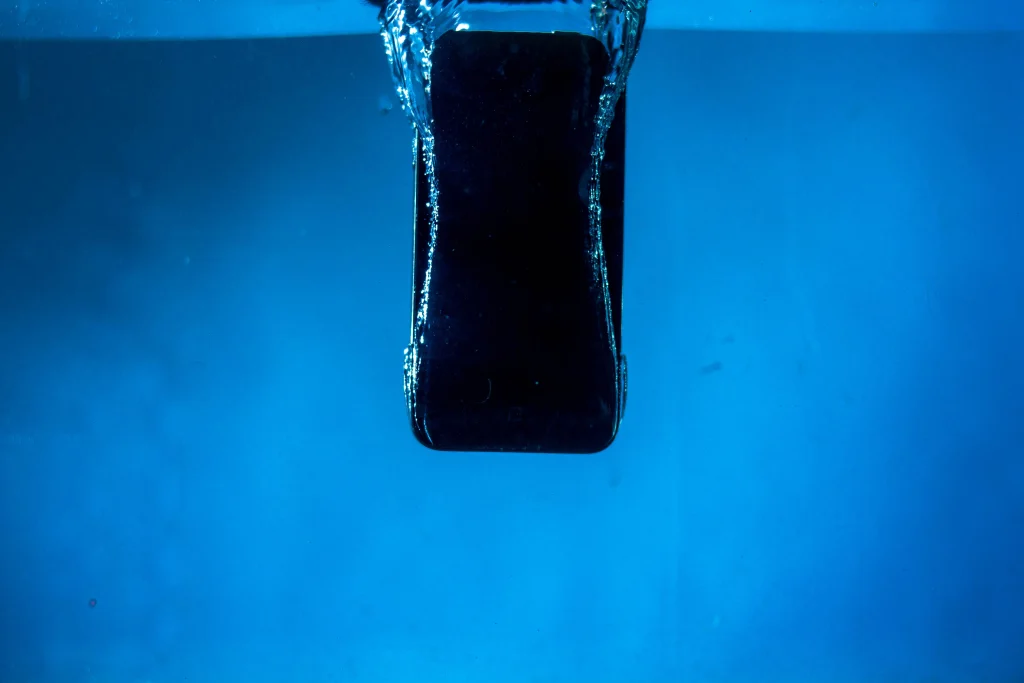
Physical impacts, drops, and the natural wear and tear of the sealing rubbers compromise the airtightness of the device over months of normal daily use.
Read more: Unknown calls on WhatsApp: see new information
Subjecting the smartphone to strong jets of water or dynamic pressure exceeds the resistance of the protective barriers, allowing water to seep into the electronic system.
Consult the international standards for electrotechnical safety and sealing specifications maintained by International Electrotechnical Commission (IEC) to understand the rigor of industrial testing.
What should you do if your smartphone accidentally falls into water?
Remove the device from the liquid immediately and turn off the screen to prevent short circuits on the main board, then dry the exterior with a clean microfiber cloth.
Never connect the charger cable to the power port while the operating system detects signs of moisture, to avoid permanent damage to the electrical connectors.
Learn more: WhatsApp now edits PDFs: new feature makes sending documents easier.
Avoid using hair dryers or blowing hot air into the device's inlets, as the heat will displace the liquid into previously dry and preserved internal areas.
Remember that the IP68 protection for mobile phones It functions as insurance against occasional accidents, allowing the device to be used prudently without exposing it to unnecessary risks in aquatic environments.
What daily care practices help preserve the seal of the device?
Avoid using your smartphone inside saunas or bathrooms during hot showers, as steam easily penetrates through the sound and microphone vents in the metal body.
Rinse the device with a cloth lightly dampened with fresh water if it accidentally comes into contact with splashes of salt water, sea spray, or chlorine from residential swimming pools.
Read more: Garantia Safra: Protection for Brazilian farmers
Allow the audio inputs and connectors to dry completely for a few hours before using wired headphones or recharging the battery using a wall outlet.
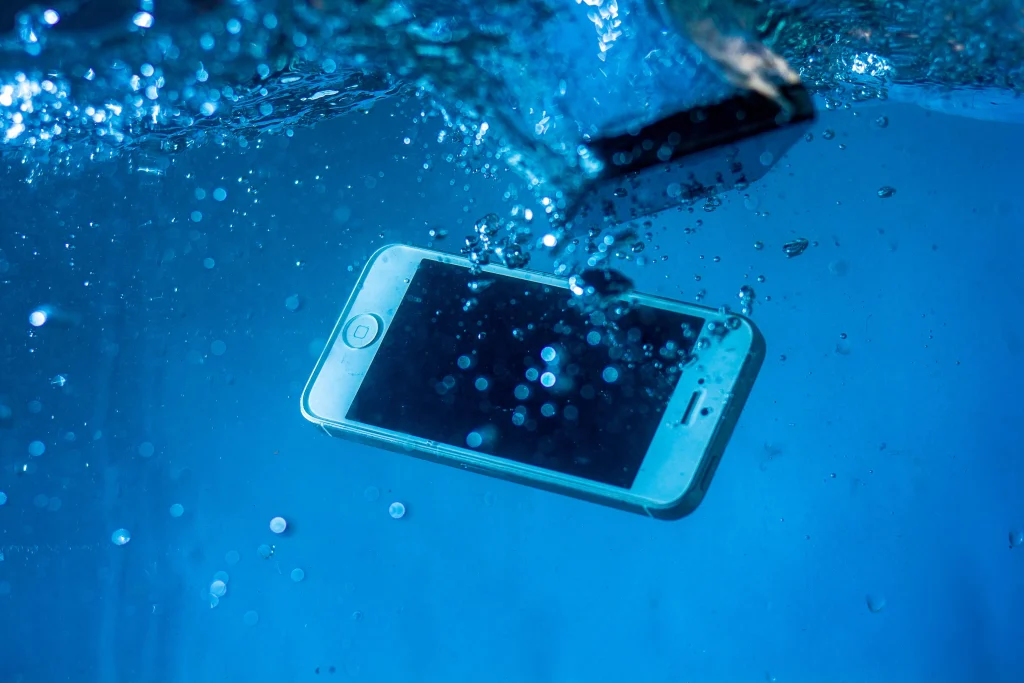
Follow the technical analyses of resistance, durability tests, and electronic protection guides published by [Company Name]. Consumer Reports to keep your gadgets protected.
Frequently Asked Questions (FAQ)
Can I take underwater photos in the pool with my IP68 phone?
It is not recommended, as pool water contains chlorine and the pressure from the device's movement in the water may exceed the sealing limit of the rubber gaskets.
What should I do if the charging port detects moisture?
Keep the device in a well-ventilated and dry place, with the inlet facing downwards, and wait a few hours until the system alert disappears naturally.
Does water resistance last forever on your smartphone?
No, the seal degrades over time with use, exposure to heat, wear and tear of the materials, and especially after falls or impacts to the appliance's structure.
Will saltwater damage a cell phone even if it has an IP68 rating?
Yes, the salt causes immediate oxidation of exposed metal components and corrodes the internal protective membranes, invalidating the official test standards.
The presence of IP68 protection for mobile phones It ensures peace of mind in everyday incidents, but requires conscious use and respect for the physical limitations imposed by manufacturers. Protecting your smartphone against steam, salt water, and direct impacts guarantees the longevity of internal components and preserves the value of your technological investment for much longer.
