
Pix via QR Code: differences between static and dynamic codes
Advertisements
THE Pix via QR Code It revolutionized the financial dynamics of the Brazilian market in 2026, establishing itself as the most agile and secure tool for transferring monetary values.
This technology is based on capturing a two-dimensional image that carries all the recipient's banking information, eliminating the need for manual key entry.
With the expansion of e-commerce and the digitization of physical sales, understanding the technical distinctions between code models has become essential for optimizing business management.
Advertisements
This article details the characteristics of static and dynamic patterns, guiding your choice in a practical, strategic, and efficient way.
What is static code and in what everyday situations is its use recommended?
The static encoding format functions as a fixed digital mirror of a bank identification key previously registered by the user with the financial institution.
Once the image is generated, it remains valid indefinitely and can be printed on plastic posters or shared repeatedly via messaging apps.
This model allows the issuer to set a fixed amount for the charge or leave the financial field completely open for the payer to fill in.
Due to its extremely simple setup, it perfectly suits freelancers, small service providers, and quick transfers between friends.
The flexibility of Pix via QR Code Static technology reduces checkout time at small establishments that sell products at a fixed price.
However, because it does not generate a unique identifier per transaction, the cash register control system requires manual verification of each receipt on the mobile phone screen.
How does dynamic code operate and how does it optimize business cash flow control?
The dynamic coding model is based on a data architecture connected in real time to the banking institution's application programming interface (API).
Each sale initiated in the system generates a unique, one-time-use code that contains detailed information about the commercial transaction.
This feature allows you to automatically include the buyer's name, a breakdown of the products purchased, the application of promotional discounts, and the automatic calculation of interest.
As soon as the payment is processed by the bank, the commercial automation system receives an instant notification and updates the operational workflow.
To understand the regulations of the Instant Payment System, access statistical reports on the adoption of electronic means, and review national cybersecurity guidelines, the Central Bank of Brazil (bcb.gov.br) It provides all current and updated resolutions.
| Operational Functionality | Static QR Code | Dynamic QR Code | Impact on Commercial Management |
| Temporal Validity Period | Indefinite (Permanent) | Defined by the issuer (Minutes/Days) | Avoid duplicate payments. |
| Definition of Financial Value | Optional (Fixed or open) | Required at the time of generation. | Ensures accurate billing. |
| Inclusion of Interest and Penalties | Not supported by the code. | Configurable according to expiration date. | Ideal for issuing invoices. |
| Conciliation Process | Manual (Requires statement verification) | Automated via banking API | Reduces costs associated with internal audits. |
| Recommended Target Audience | Individuals and micro-entrepreneurs | E-commerce and medium/large companies | Optimizes sales scalability. |
Why does automated bank reconciliation rely exclusively on the issuance of dynamic codes?
Large corporations and online stores process thousands of financial transactions per minute, making it impractical to manually check deposit slips sent by customers.
The use of Pix via QR Code Dynamics eliminates this operational barrier by linking each settlement to a specific order number.
When the customer completes the payment for their shopping cart, the integrated management software (ERP) settles the invoice in the system without human intervention.
This processing speed accelerates product release at the distribution center, reducing delivery times and increasing end-consumer satisfaction.
Using automation based on financial APIs protects the company against sophisticated fraud involving the spoofing of banking app screens and altered digital receipts.
Confirmation of incoming funds occurs directly from server to server, protecting the corporate cash flow against unwanted operational losses.
What are the essential safety guidelines to avoid scams during image capture?
Despite the inherent security of the banking encryption protocol, cybercriminals use social engineering tactics to steal financial resources from unsuspecting users.
The most common scam involves physically altering posters with static codes displayed on counters in physical stores.
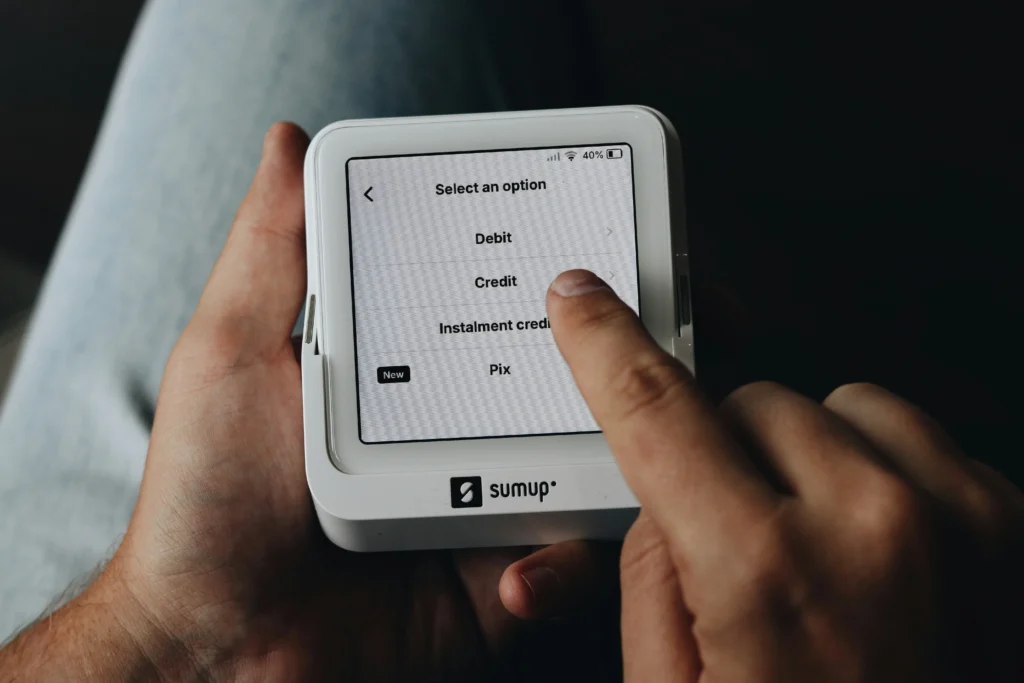
Read more: Tips to avoid scams in WhatsApp and SMS messages.
Fraudsters place fake stickers over the original image of the establishment, redirecting purchase payments to bank accounts opened with fraudulent documents.
For this reason, retailers should inspect their visual signage materials daily to ensure the integrity of the displayed data.
Before confirming any transfer using the Pix via QR Code, The user should carefully read the confirmation screen in the banking app.
Ensuring that the recipient's name, the company's CNPJ (Brazilian tax ID), and the financial institution exactly match the place of purchase prevents irreversible losses.
When is it legally permitted to charge bank fees for instant transactions?
Central Bank regulations stipulate that individuals are completely exempt from fees for sending or receiving funds using the instant payment tool.
However, this free service has legal exceptions when recurring commercial activity is established on the part of the personal account user.
Learn more: Fake bank notifications: how to recognize fraud attempts
If a citizen receives more than thirty monthly transactions via static QR code, banks may charge for subsequent transactions as they constitute commercial use.
For legal entities, financial institutions have complete freedom to set the cost of issuing dynamic codes and settling sales.
To keep up with market analyses on financial technologies, check consumer satisfaction surveys, and access practical guides on corporate financial education, visit the economics and business news portal. Infomoney (infomoney.com.br) It offers specialized content with high editorial authority.
Choosing the best payment strategy to boost your business.
The consolidation of instant transfer tools has transformed the operational efficiency of Brazilian commerce, offering distinct paths for each professional operating model.
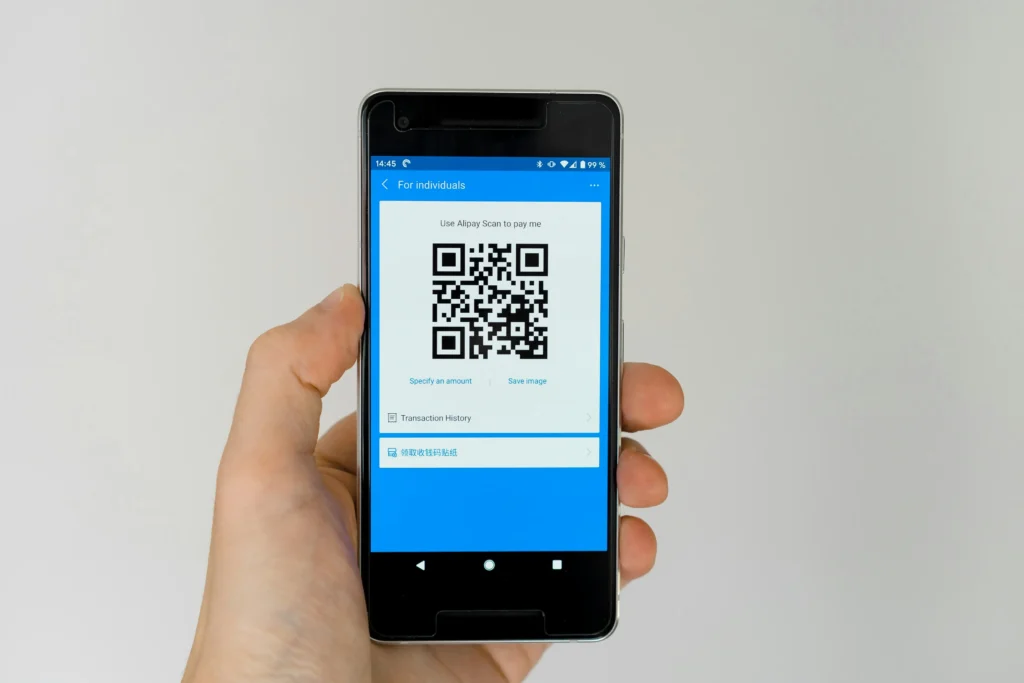
Choosing the right coding structure directly impacts administrative costs, checkout speed, and data security.
Read more: Instant Pix loans: risks and advantages in 2026
Evaluate the sales flows described in our technical table, analyze your company's monthly transaction volume, and implement the necessary automatic integrations.
By mastering the technological resources available in the modern market, you reduce financial bureaucracy, protect your revenue, and improve your customer's shopping experience.
Frequently Asked Questions about QR Code Payments
Could a customer accidentally pay with the same dynamic QR code twice?
No, the dynamic format is immediately deactivated by the banking system after the first successful settlement, preventing duplicate charges or deposits.
Is it possible to generate a static QR code that already contains a fixed fee?
Yes, the issuer can set a fixed price for creating the image, leaving the payer only with the task of scanning and confirming the transaction.
Do sales made using dynamic QR codes automatically generate an invoice?
The generation process depends on the integration of the company's commercial automation system; the code notifies the software about the payment, allowing for automatic issuance.
Does Pix Copy and Paste work the same way as capturing a physical image?
Yes, Pix Copia e Cola is the exact transcription, in line-of-code format, of the information contained in the visual code image.
