
The Most Used Apps by People Who Live Alone – and How They Make Everything Easier
Advertisements
Most used apps by those who live alone: vivBeing alone is an experience that mixes freedom, self-discovery and, of course, challenges.
From managing finances to keeping the house in order, every task requires planning and autonomy.
In this context, the apps most used by people who live alone have become indispensable allies, transforming complex routines into simple and even pleasurable processes.
But why are these apps so crucial?
They not only save time, but also empower users to make smarter decisions, whether it's in the kitchen, with bills, or with mental health.
Find out more below:
Advertisements
Apps most used by people who live alone
Technology, in fact, has evolved to meet the specific needs of those who live alone.
According to a Statista survey (2023), 68% of adults living alone in the United States use at least one productivity or organization app daily.
In Brazil, although the numbers are less precise, the popularity of apps like Trello, iFood, and Headspace reflects a similar trend.
These tools, therefore, are not just digital fads; they respond to a real demand for practicality and efficiency.
Think of solo life as a juggling act: you're the performer who has to keep the plates spinning in the air—finances, food, cleaning, well-being.
You apps certain ones work like magic wands, helping to keep everything in balance.
In this article, we'll explore how these tools make life easier, highlighting essential categories, practical examples, statistics, and even a dash of inspiration for those who want to make the most of independent living.
1. Organization and Productivity: The Digital Brain of Solo Living
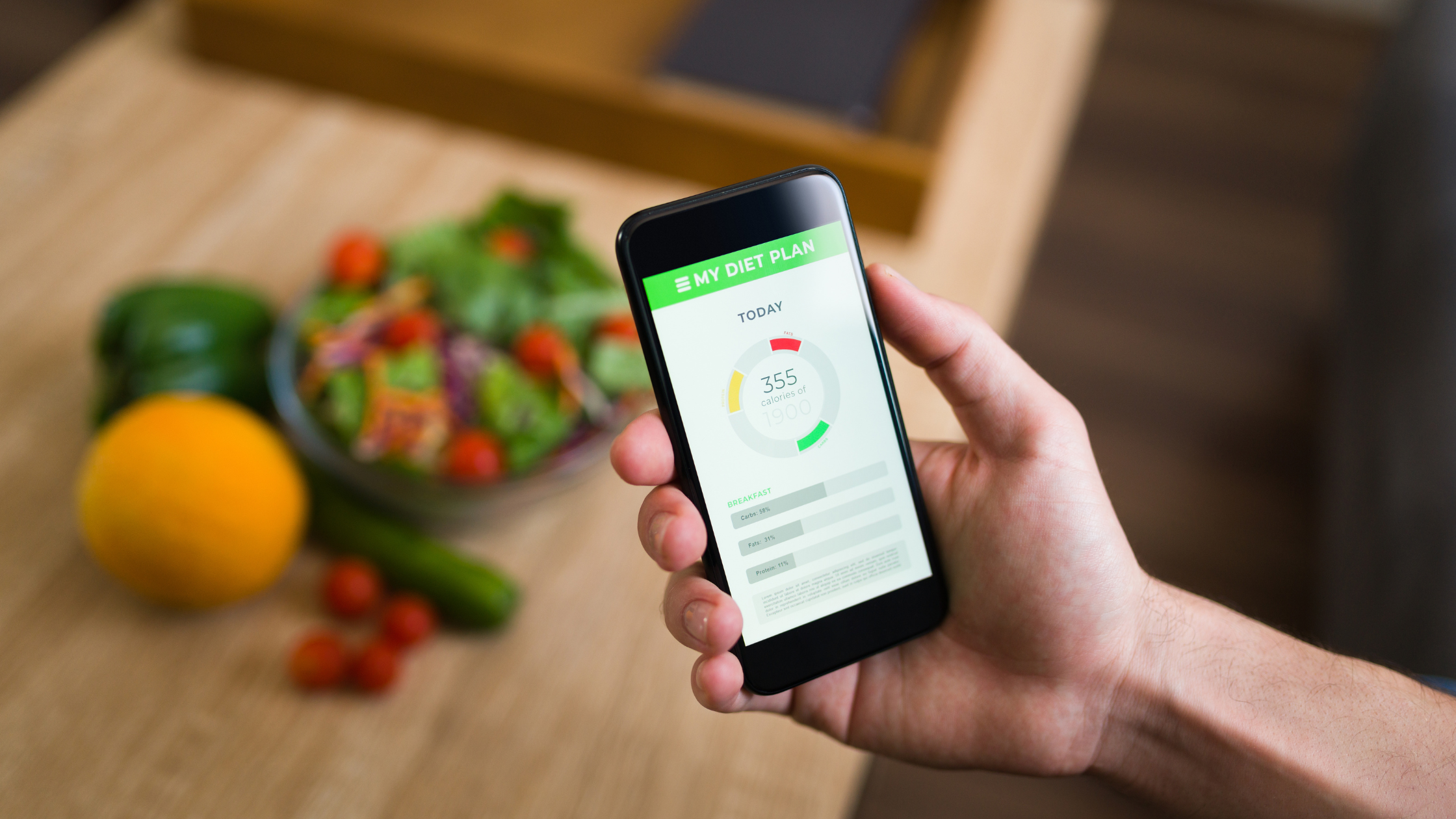
Anyone who lives alone knows that organization is the basis of a functional routine.
Without someone to share tasks with, the risk of forgetting bills, appointments, or even the shopping list is high.
Fortunately, the apps most used by people who live alone in the productivity category, such as Todoist and Notion, offer robust solutions.
++ Apps That Pay You for Simple Tasks: Which Ones Still Work in 2025?
These apps allow you to create to-do lists, reminders, and even personalized management systems, adapting to each person's pace.
For example, imagine Ana, a 29-year-old freelance designer who lives alone in São Paulo.
She uses Notion to organize not only her professional projects, but also her personal routine.
With a personalized template, Ana manages everything from delivery deadlines to how often she waters her plants.
The app syncs everything in real time, allowing her to access her tasks from her phone or computer.
This flexibility, in fact, is a differentiator: 80% of productivity app users report greater control over their routines, according to the same Statista survey.
Additionally, gamification in apps like Todoist motivates users to complete tasks.
Each completed item creates a sense of achievement, which is especially valuable for those who live alone and don't always have someone to celebrate small victories with.
So, these applications not only organize, but also encourage consistency, transforming chaos into a structured routine.
| App | Main Functionality | Advantage for Those Who Live Alone |
|---|---|---|
| Notion | Project management and personalized routines | Centralizes personal and professional tasks in one place |
| Todoist | To-do lists with reminders | Gamification encourages completing daily tasks |
| Google Keep | Quick and synchronized notes | Ideal for shopping lists or spontaneous ideas |
2. Finances: Control in the Palm of Your Hand
Managing a budget is one of the biggest challenges for those who live alone.
Without sharing expenses, every real counts, and unforeseen events can destabilize planning.
In this scenario, the apps most used by people who live alone for finances, such as Mobills and GuiaBolso, offer a clear overview of expenses and help you make informed decisions.
These tools allow you to categorize expenses, set savings goals, and even predict the impact of future purchases.
Consider the case of Lucas, a 23-year-old college student who lives alone in Belo Horizonte.
He started using Mobills to control his expenses on rent, groceries and transportation.
The app generates visual reports that show, for example, that 40% of your budget goes to food.
As a result, Lucas adjusted his habits, choosing to cook more at home, which reduced his expenses by 15% in the last six months.
This analysis capacity, therefore, is a differentiator that goes beyond simply recording expenses.
Additionally, many of these apps integrate artificial intelligence to suggest budget adjustments.
Why do you think anyone would continue to spend hours on manual spreadsheets when they can get automated insights?
The answer is clear: the practicality of financial apps is unbeatable, especially for those who need to balance work, studies, and personal life without constant support.
| App | Main Functionality | Advantage for Those Who Live Alone |
|---|---|---|
| Mobills | Expense control and visual reports | Helps identify consumption patterns |
| GuiaBolso | Integration with bank accounts | Automatic transaction monitoring |
| YNAB | Detailed budget planning | Focus on long-term savings goals |
3. Food: From the Shopping List to the Kitchen
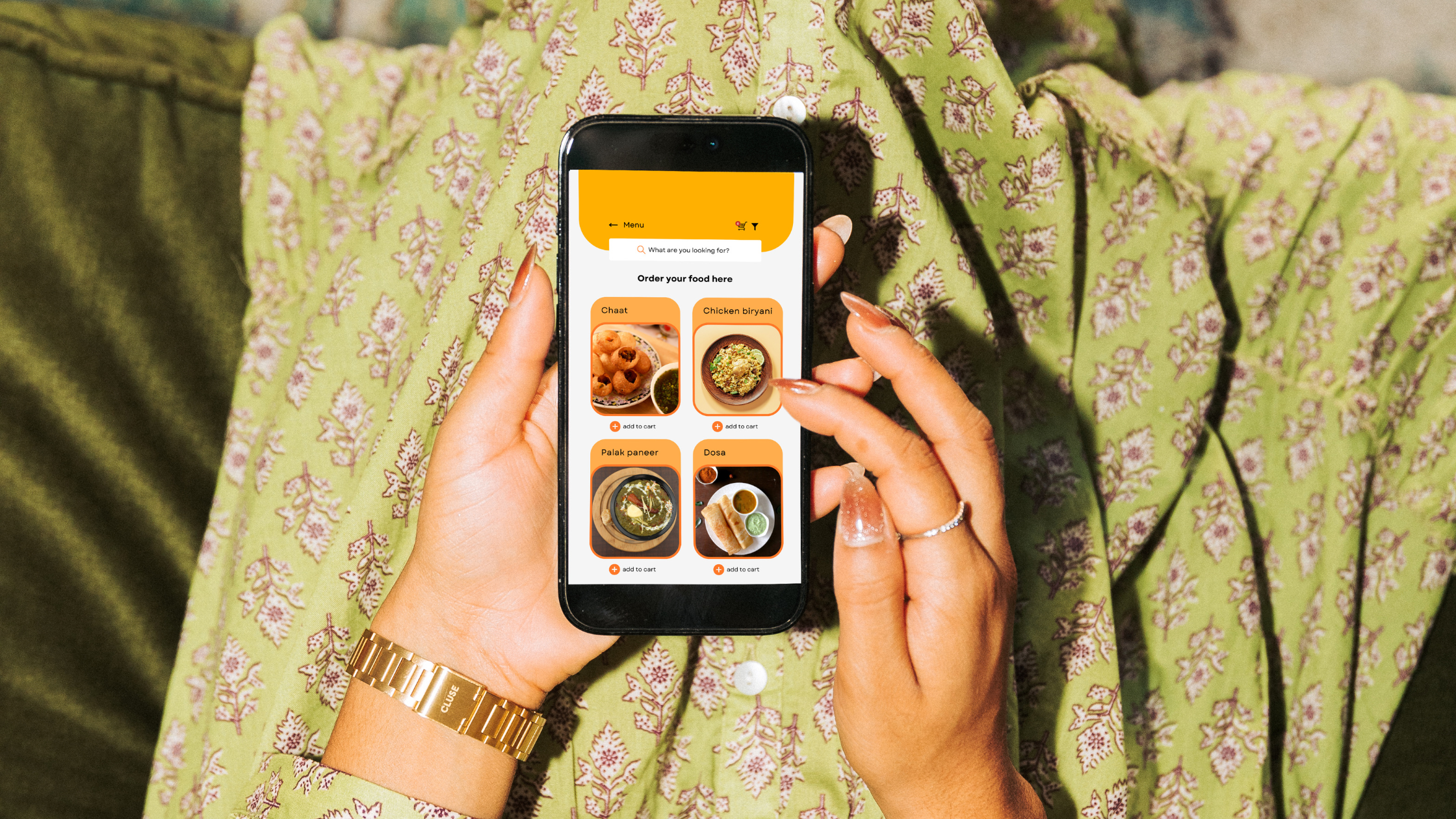
Cooking for one person can be a logistical challenge.
How to avoid waste?
How to maintain a balanced diet without spending hours at the supermarket?
You apps most used by people who live alone in the food category, such as iFood and Tastemade, solve these issues with creativity and practicality.
They offer everything from fast delivery to recipes adapted for individual portions.
A practical example is the use of the TudoGostoso app by those looking for simple recipes.
Ana, our designer, discovered a risotto recipe on the app for one person that takes just 20 minutes.
With the automatically generated ingredient list, she makes more informed purchases, reducing food waste.
In fact, according to the IBGE (2022), 30% of the food purchased by Brazilians is wasted, and apps like this help combat this problem by encouraging planning.
On the other hand, services like iFood are lifesavers on busy days.
The ability to filter by price, cuisine type, or delivery time makes for a personalized experience.
These apps not only make eating easier, but they also teach single people how to balance convenience and health without guilt or hassle.
| App | Main Functionality | Advantage for Those Who Live Alone |
|---|---|---|
| TudoGostoso | Recipes and ingredient lists | Ideal for cooking individual portions |
| iFood | Meal delivery | Practicality for busy days |
| Tastemade | Short recipe videos | Inspires creative and quick meals |
4. Well-being: Caring for Mind and Body
Living alone can be liberating, but it can also bring moments of loneliness or stress.
Maintaining physical and mental well-being is essential, and apps most used by people who live alone in this category, such as Headspace and Strava, offer personalized support.
These apps help you create meditation, exercise, or even sleep routines, which are crucial for a balanced life.
Lucas, our student, uses Headspace for 10-minute guided meditation sessions before bed.
He reports that after a month, his anxiety decreased significantly, which helped him focus better on his studies.
This science-based approach is a differentiator: Headspace, for example, uses techniques validated by psychologists to promote relaxation.
Additionally, apps like Strava encourage physical activity by connecting users to a virtual community, reducing feelings of isolation.
It is worth highlighting that well-being goes beyond the obvious.
Apps like Sleep Cycle analyze sleep patterns and suggest adjustments to improve the quality of your rest.
These tools make self-care an accessible practice, allowing those who live alone to prioritize their health without complications.
| App | Main Functionality | Advantage for Those Who Live Alone |
|---|---|---|
| Headspace | Guided meditation | Reduces anxiety and improves focus |
| Strava | Physical activity monitoring | Connection with virtual community |
| Sleep Cycle | Sleep analysis | Optimizes the quality of rest |
5. Frequently Asked Questions About Apps Most Used by People Who Live Alone
| Question | Response |
|---|---|
| Are these apps free? | Most offer free versions with basic functionality. For advanced features, such as detailed reports or personalized meditations, you may need to subscribe to premium plans. |
| Can I use these apps without internet? | Some, like Google Keep and Todoist, allow offline use with subsequent synchronization. Apps like iFood, however, require a constant connection. |
| Do they consume a lot of battery or space? | Lightweight apps like TudoGostoso consume little battery power. Apps like Strava, which use GPS, can demand more battery. Check your settings to optimize usage. |
| Are they safe for personal data? | Trusted apps like Mobills and Headspace use encryption. Always read the privacy policy before sharing sensitive information. |
Apps most used by people who live alone: Conclusion
You apps most used by people who live alone are more than tools; they are extensions of your ability to live well.
From organizing tasks to taking care of your mind, these apps offer practical solutions that respect the pace and needs of those who live alone.
The juggling analogy isn't perfect: with apps, you don't just keep the plates in the air, you do it with grace and efficiency.
The question remains: why continue facing challenges alone when technology can be your ally?
Whether it's cooking, finances, or self-care, there's an app ready to simplify your life.
Experiment, adapt, and discover how these resources can transform your routine into a lighter, more rewarding experience.
