
Augmented reality in retail: how to transform the shopping experience.
Advertisements
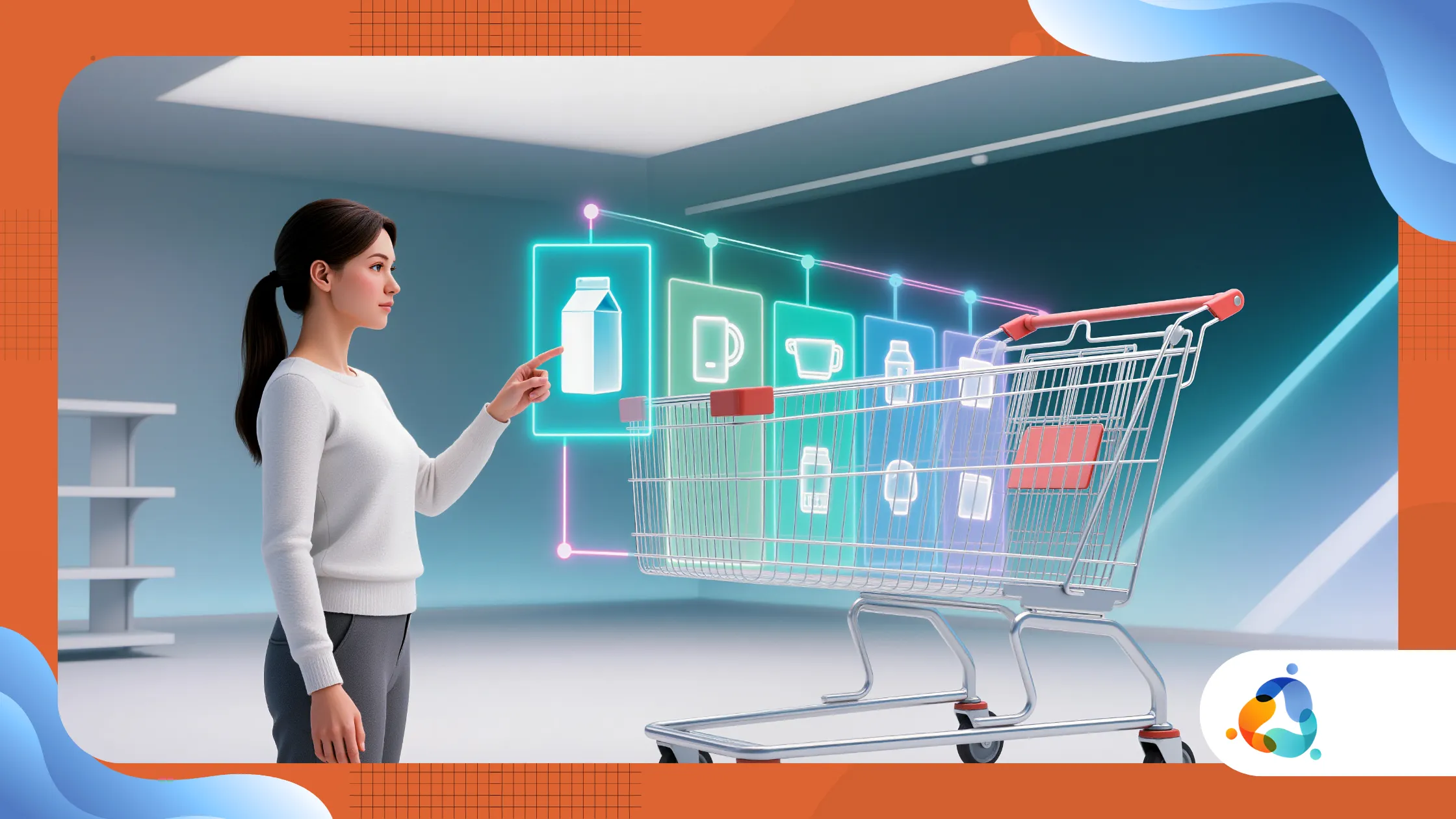
THE Augmented reality in retail It is redefining the consumer landscape. It transcends mere digitization, inserting virtual elements into the physical environment.
This creates an innovative bridge between online and traditional stores.
This technology is not a passing trend, but an evolution of... e-commerce. We are witnessing the merging of the real world with the digital world. The consumer of 2025 seeks immersion and convenience.
Augmented Reality (AR) overlays digital images onto the real world. This occurs through... smartphones, tablets or special glasses. It keeps the user aware of their physical surroundings.
In a retail context, this overlay has a clear purpose. It allows for the visualization of products before purchase. This is done in a contextualized and highly interactive way.
Adoption is accelerating, driven by more capable devices. Network infrastructure has also improved significantly. Large players Global companies are already implementing it on a large scale.
Advertisements
Why Does Augmented Reality Revitalize the Customer Journey?
The main strength of AR is the mitigation of uncertainty. Buy online There has always been the barrier of "will it work?". Technology offers a realistic and engaging preview.
It transforms the passive process of browsing into an active interaction.
The customer no longer just see the product for try it. This increases the level of confidence in the final decision.
++Apps for keeping a digital diary
The experience becomes more fun and memorable. A purchase with positive emotion fosters much greater loyalty than a discount. Convenience is a decisive factor for the modern consumer.
What are the tangible benefits of augmented reality for retailers?
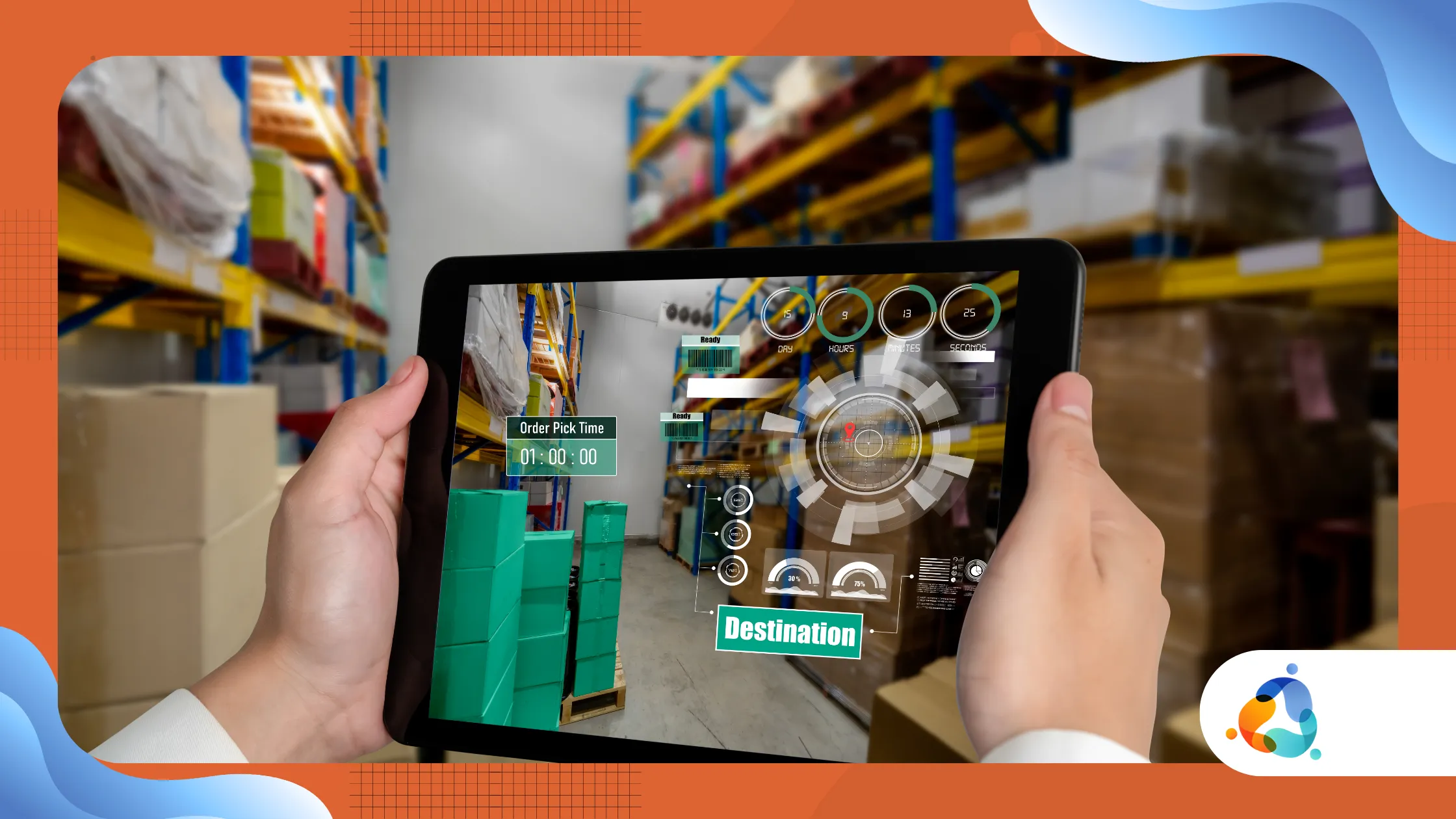
One of the most evident impacts is the reduction in return rates. The precision in virtual visualization reduces selection errors. This translates into logistical and operational savings.
Companies using AR are seeing an increase in conversion rates. The immersive experience encourages the final click. The time spent in the app or website It also grows.
THE Augmented reality in retail It allows the creation of "virtual stores" without physical costs.
++Technology for social inclusion: digital accessibility, people with disabilities, and connectivity.
The product portfolio becomes limitless. The physical space of the store ceases to be a restriction.
How is the Shopping Experience Transformed by AR Technology?
Let's consider the furniture and decoration sector, a classic example. The consumer can virtually position a sofa in their living room. This happens before finalizing the purchase.
A global furniture company, a pioneer in AR, reported solid results.
In 2023, this giant saw that the use of the product visualization tool positively impacted the average order value.
According to a study by eMarketer/Insider Intelligence, 76% of medium to large retailers plan to invest in immersive technologies, such as AR/VR, in the next 12-18 months.
Another field of application is cosmetics and eyewear. The virtual mirror allows you to test makeup and frames. All this without touching the physical product, a hygienic and practical benefit.
++Biotechnology: Innovations that are impacting health and agriculture
AR eliminates guesswork. It replaces imagination with concrete visual evidence. This is especially valuable for high-value items.
What are some examples of innovative uses of Augmented Reality?
Innovation lies in breaking down geographical and physical barriers. Imagine a fashion buyer. fitness He lives in a small town. He doesn't have access to a large sporting goods store. premium.
Fashion: He uses an app that scans his body. Then, it visualizes the exact fit of a compression pant from a European brand.
The virtual model simulates the fabric and movement on your own body. This is more than just trying it on; it's feeling the garment digitally.
Food/Drinks: A wine producer gourmet Place a marker on the label. By scanning the label, the customer sees a 3D animation of the winery.
A virtual sommelier narrates the story of the harvest. This experience adds narrative value to the product.
THE Augmented reality in retail It functions as a catalyst for innovation.
THE Augmented reality in retail It acts as a powerful catalyst. It forces the sector to rethink logistics and... design Interaction. It is the manifestation of the next phase of personalization.
Companies that embrace AR demonstrate forward-thinking vision. They position themselves at the forefront of customer experience. They don't just sell, they create a spectacle of buying.
Technology allows the product to go to the customer. It's the reverse of the traditional journey. The physical store transforms into... showroom interactive, if it is still needed.
How does Augmented Reality meet the needs of the multichannel consumer of 2025?
Today's consumer moves between channels. online and physical environments. AR ensures a smooth transition between these environments. It's the glue that unifies the experience. omnichannel.
In a physical store, the customer scans the code of an out-of-stock product. Immediately, they see the item on their virtual body. The system then offers the purchase with home delivery.
This synergy maximizes the potential of each touchpoint. There is no longer "digital" and "physical," only the buyer's journey. Augmented reality in retail It is the driving force behind this integration.
The absence of AR in strategies is a risk of obsolescence. Ignoring this tool means losing the race for customer attention. Can your brand afford this luxury?
The Evolution of Retail: The Future is Immersive
The massification of Augmented reality in retail It's inevitable. Implementation costs are decreasing. The quality and accessibility of technology are growing exponentially.
Soon, consumers will expect to interact. Purchases without a prior virtual experience will be considered incomplete. Augmented reality in retail It is the present that defines the future.
It's not just about selling more; it's about selling better. It's about building a relationship of transparency and engagement. That's the key to lasting success in the 2025 market.
| Advantages of Augmented Reality (AR) | Impact on Retail (2025) | Application Example |
| Reducing Returns | Estimated reduction in logistics costs of up to 25%. | Furniture, footwear and eyeglasses |
| Increased Conversion | Higher likelihood of purchase after viewing (up to 40%) | Makeup and accessories |
| Improved Experience | More engaged and satisfied customer with the process. | Marketing interactive product |
| Personalization | It offers virtual testing in real time and in the client's environment. | Clothing and design interiors |
| Expansion of Showroom | It allows you to display the entire catalog without limited physical space. | Stores pop-up virtual and e-commerce |
Conclusion: The Imperative of Augmented Reality
THE Augmented reality in retail It's not just a technological luxury. It's a strategic necessity for today's competitiveness.
Companies need to adopt it to remain relevant. Digital transformation demands this immersion. It's time to embrace this powerful tool.
Frequently Asked Questions
Does Augmented Reality replace physical stores?
No, AR complements the physical store, creating an ecosystem. omnichannel. She transforms the store into a showroom High-tech and offers convenience for shopping. online.
Is AR technology too expensive and complex for small businesses?
With the evolution of software development tools (SDKs), the cost of implementation is becoming more affordable. Many platforms of e-commerce They already offer ready-made AR modules.
Which sectors benefit most from Augmented Reality?
Sectors where spatial visualization or drape is crucial, such as fashion, furniture, decoration, cosmetics, and jewelry, reap the greatest immediate benefit.
