
Midjourney Style AI Image Generators via Mobile App
Advertisements
Midjourney-style AI image generators: The AI-driven creative revolution has transformed the way we interact with digital art.
Among the most impactful innovations, the Midjourney-style AI image generators stand out as tools that democratize visual creation.
In this sense, allowing anyone, from amateurs to professionals, to produce high-quality images directly from their smartphones.
But what makes these tools so special?
How do they manage to combine accessibility, power, and creativity in a single mobile app?
This article explores the world of AI image generators, focusing on their functionality via mobile apps, offering intelligent insights, practical examples, and answers to common questions.
Advertisements
Find out more!
The Revolution of AI Image Generators on Mobile
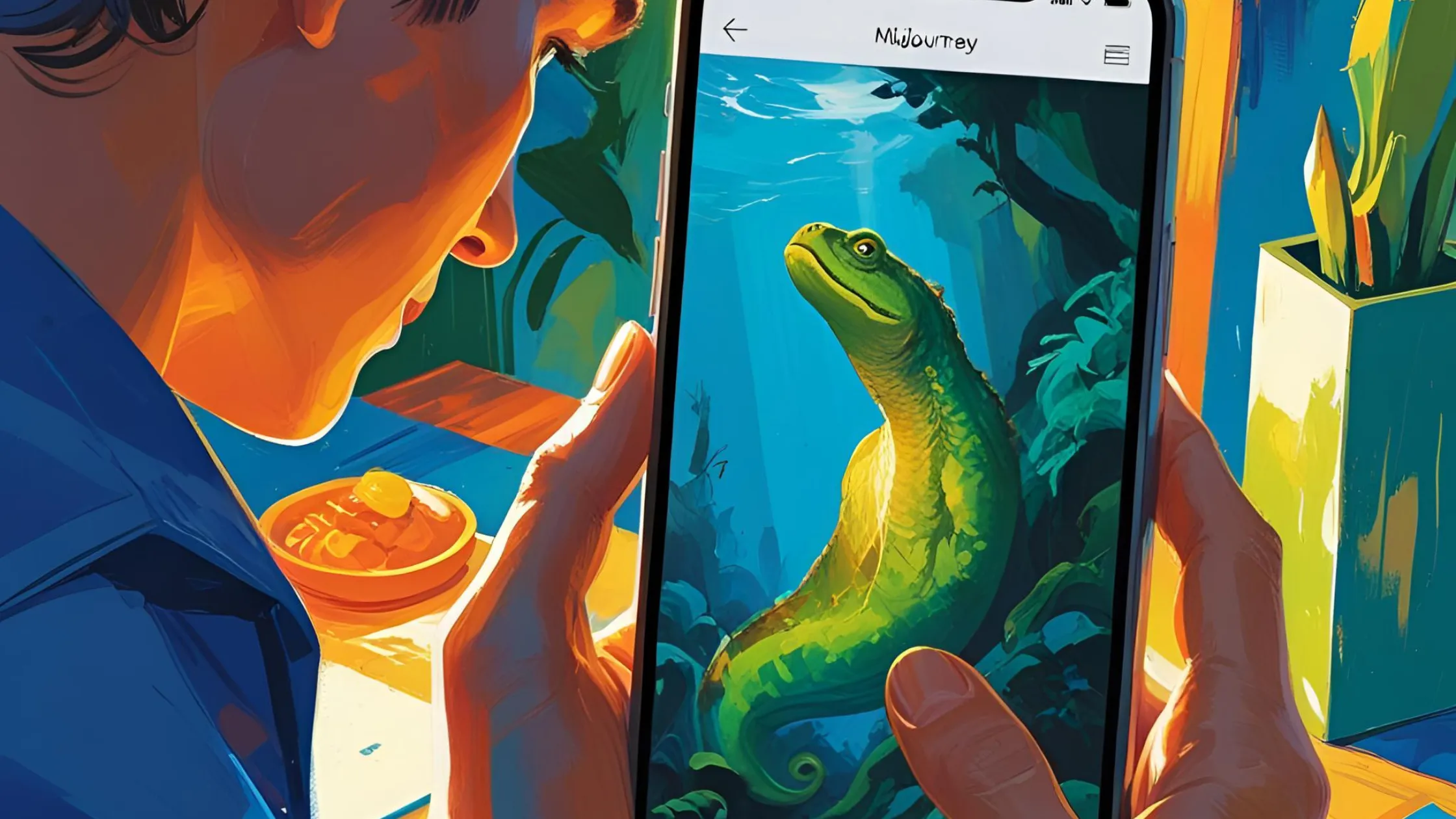
Imagine a Renaissance painter with a portable studio in his pocket, capable of creating masterpieces in minutes.
This is the perfect analogy for the generators of image by Midjourney-style AI in mobile applications.
Unlike traditional design tools, which require complex software and technical knowledge, these applications allow users to create stunning images with simple, natural language-based commands.
For example, when you type “a futuristic city floating among clouds at sunset,” the app translates the description into a detailed image, with vibrant colors and realistic textures, in just a few seconds.
Furthermore, mobility is a crucial differentiator.
While early AI generators required powerful computers, mobile apps optimize processing in the cloud, reducing dependence on local hardware.
This means that an average smartphone can generate images of comparable quality to those produced on high-performance desktops.
According to a survey by Statista (2024), 68% of creative AI tool users prefer mobile apps due to their convenience and intuitive interface, highlighting the growing popularity of these platforms.
Finally, accessibility does not compromise sophistication.
These applications incorporate advanced AI models, such as stable diffusion and generative adversarial networks (GANs), which ensure visually rich results.
++ How to Create Amazing Montages with Free Photo Editors
The ability to quickly iterate, adjusting prompts or artistic styles, makes these tools indispensable for content creators.
As well as designers and even marketing professionals looking for unique images for digital campaigns.
How Midjourney-Style AI Image Generators Work
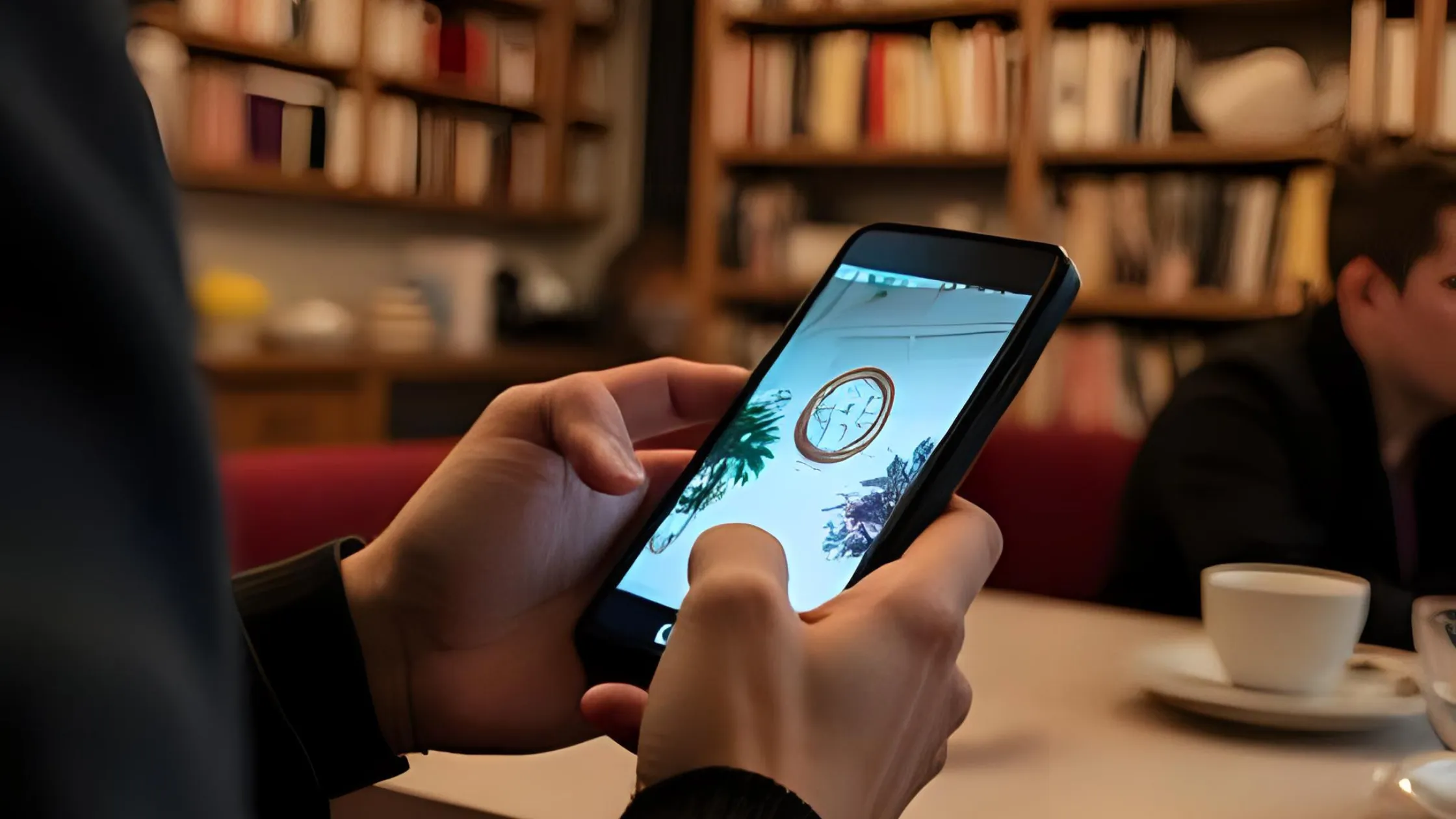
The magic behind the Midjourney-style AI image generators lies in the combination of cutting-edge technology and user-friendly interfaces.
These applications utilize AI models trained on vast visual databases, allowing the machine to “understand” and recreate complex aesthetic patterns.
++ How to Create Videos with Automatic Subtitles in 1 Click Using a Free App
The process begins with a text prompt, where the user describes the desired scene.
The AI then processes the text, maps visual concepts, and generates an image that reflects the description, often in surprising detail.
For example, a user might create an original illustration by typing: “A crystal dragon flying over a snowy desert at dawn, watercolor style.”
The application not only generates the image, but also allows adjustments, such as changing the color palette or the level of realism.
This flexibility is enhanced by machine learning capabilities that learn from usage patterns, refining results over time.
This way, each interaction with the app makes creations more aligned with the user's preferences.
Additionally, integration with mobile technologies such as touchscreens and voice assistants enhances the experience.
Imagine dictating a prompt while commuting or sketching a basic idea with your finger on the screen to guide the AI.
These features make apps not just creative tools, but extensions of the human imagination, accessible anytime, anywhere.
Advantages of Using AI Image Generators in Mobile Apps
The main advantage of Midjourney-style AI image generators on mobile devices is the democratization of creativity.
There is no longer a need to invest in expensive software or master complex graphic design techniques.
An art student, for example, can create a professional portfolio using only their smartphone, saving time and resources.
This accessibility is especially valuable in emerging markets, where access to traditional design tools can be limited.
Furthermore, another advantage is speed.
While a human illustrator can take hours to create a single piece, an AI app delivers results in minutes, with options for instant adjustments.
This is particularly useful for professionals who need images for social media, presentations, or advertising campaigns.
For example, an entrepreneur could create a promotional banner with the prompt: "A cozy cafe with books and Christmas lights, minimalist style," and customize it to different formats in real time.
Additionally, mobile apps offer integration with other digital tools.
Many allow you to export images directly to platforms like Instagram, Canva or Google Drive, facilitating creative workflows.
This connectivity, combined with portability, transforms the smartphone into a complete creative studio, ready to meet the demands of an increasingly visual world.
Challenges and Limitations of AI Image Generators
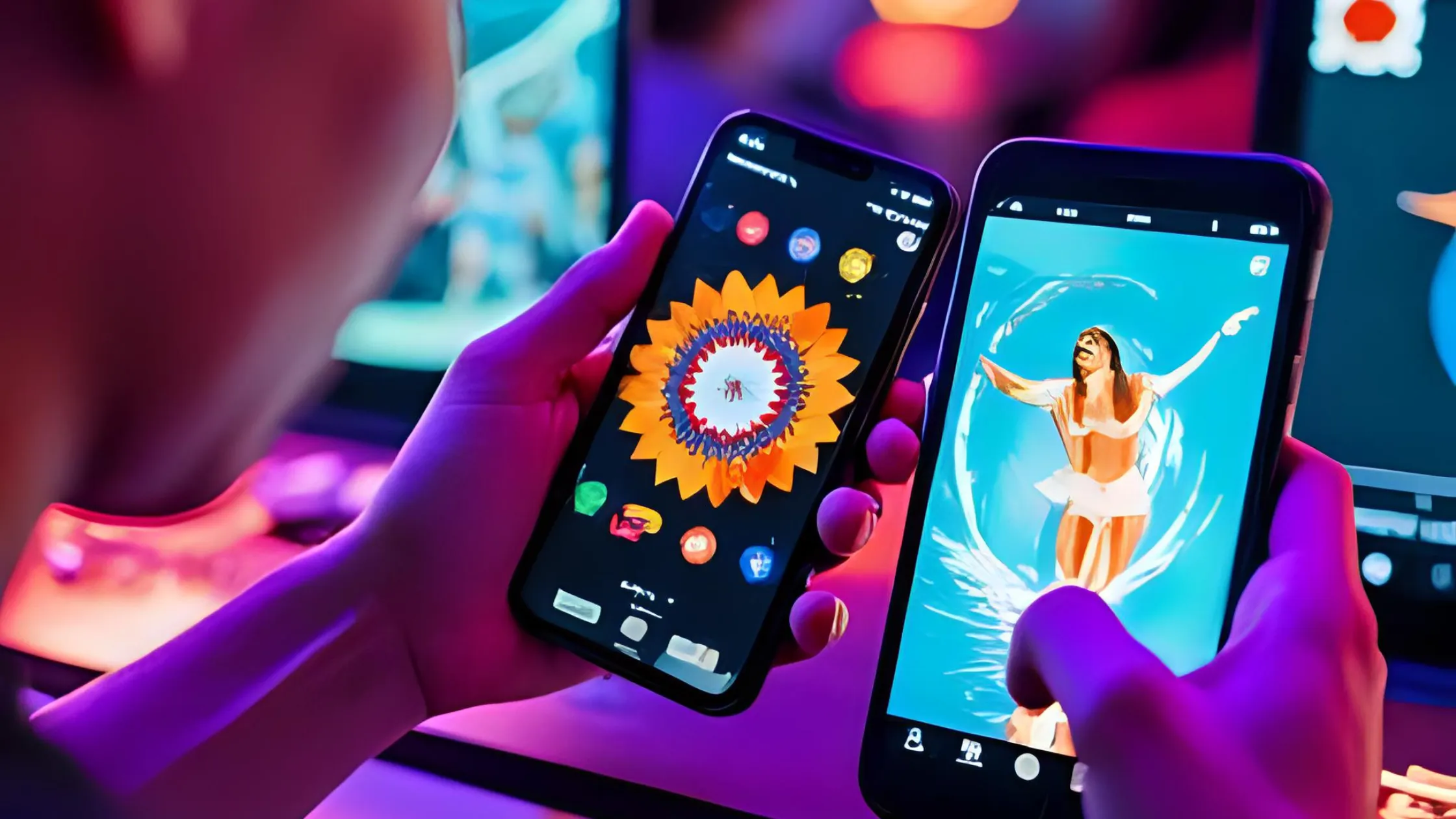
Despite its advantages, the Midjourney-style AI image generators face significant challenges.
One of them is the dependence on a stable internet connection, since processing takes place mostly in the cloud.
In areas with limited connectivity, using these apps can be frustrating, especially for users who need quick results.
Furthermore, the quality of the prompts directly influences the result: vague descriptions can generate generic images or images that are misaligned with the user's vision.
Furthermore, another point is the ethical issue.
Because these models are trained on vast visual datasets, there is debate about the use of copyrighted images in training sets.
While many companies behind these apps claim to comply with regulations, transparency about the process remains limited.
This raises the question: to what extent can we trust that the generated images are truly original?
Finally, there is the risk of creative standardization.
While generators are powerful, less experienced users may end up creating images that follow popular trends, reducing originality.
To overcome this, it's essential that creators invest time in exploring unique and personalized prompts, ensuring their creations stand out in a sea of AI-generated content.
Practical Examples of Creative Use
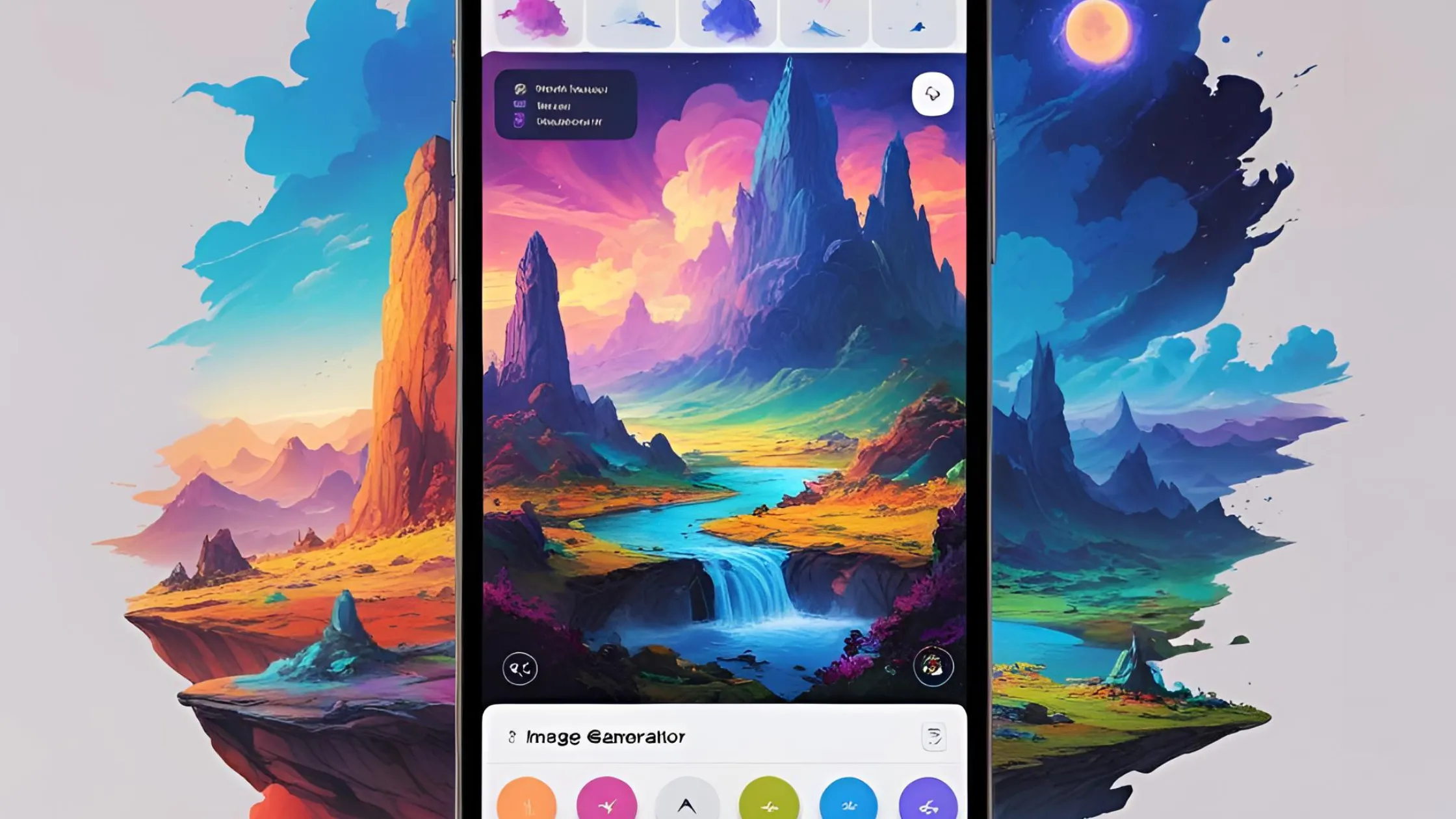
Example 1: Creating Content for Social Media
A fashion influencer wants to highlight her new sustainable clothing collection.
Using an AI image generator app, she types: “A model in a lavender field under a starry sky, wearing a beige linen dress, photo style.”
The result is a hyper-realistic image that she edits slightly to add the brand logo.
The image is shared on Instagram, generating immediate engagement and highlighting the collection's eco-friendly aesthetic.
Example 2: Prototyping for Game Design
An indie game developer needs visual concepts for a fantasy RPG.
He uses the app to create scenes like: “An enchanted forest with bioluminescent trees and a ruined castle in the background, pixel art style.”
The generated images serve as inspiration for game design, speeding up the prototyping process and reducing costs with professional illustrators.
Comparison Table: Top AI Image Generator Apps
| Application | Key Features | Advantages | Limitations | Price |
|---|---|---|---|---|
| Midjourney Mobile | Image generation from prompts, style adjustments | High visual quality, intuitive interface | Subscription required, internet dependent | From $10/month |
| DALL-E Mini App | Integration with Appena networks, export to social networks | Free, easy to use | Less detailed results | Free |
| Stable Diffusion App | Support for complex prompts, varied styles | Open-source, customizable | Requires greater technical knowledge | Free (with limitations) |
| Artbreeder | Focus on collaborative creation and image editing | Ideal for portraits and fine adjustments | Less intuitive interface | Freemium |
Frequently Asked Questions
| Question | Response |
|---|---|
| Are AI image generators legal? | Yes, as long as they are used within the app's copyright guidelines and terms of service. Check the commercial use policies. |
| Can I use the generated images commercially? | It depends on the app. Some, like Midjourney, allow commercial use with a paid subscription, while others have restrictions. See the terms and conditions. |
| Do you have to be an artist to use these apps? | No! The user-friendly interface allows anyone to create images with simple prompts, although practice improves results. |
| Do the apps work offline? | Most depend on an internet connection, as processing takes place in the cloud. |
| How to create more effective prompts? | Use detailed descriptions, including style, colors, lighting, and context, to get more accurate results. |
The Future of AI Image Generators on Mobile
The advancement of Midjourney-style AI image generators suggests a future where visual creation will be even more integrated into everyday life.
With improvements in processing latency and image quality, these applications could become standard tools for creative professions, from marketing to education.
Furthermore, integration with augmented reality and the metaverse can allow users to view their creations in virtual environments, expanding the possibilities for interaction.
However, the future also brings challenges.
As technology evolves, ethical issues such as the originality of images and their impact on the creative job market will come to the fore.
How can we balance AI accessibility with valuing human labor?
This rhetorical question invites us to reflect on the role of technology in society and how it can be used to enhance, not replace, human creativity.
Finally, continued investment in research and development promises to make these applications even more accessible and powerful.
With the popularization of lighter AI models, it is possible that image generation will soon occur locally on mobile devices, eliminating the need for cloud servers.
In short, this advancement will solidify smartphones as indispensable tools for creative expression, redefining the boundaries of digital art.
