
Tips for keeping your home cooler in the summer without air conditioning
Advertisements
With the summer heat intensifying, finding ways to make the house cooler in the summer without air conditioning becomes a priority for many Brazilians.
Not just a matter of comfort, but of household savings, as the constant use of refrigeration appliances directly impacts the family budget.
The search for smart and sustainable solutions is a challenge that, fortunately, has effective and accessible answers.
This article explores proven strategies that combine science and folk wisdom to transform your home into a haven of freshness, without the need for expensive, energy-intensive appliances.
The Heat Challenge and Financial Balance
Brazil, with its predominantly tropical climate, faces an annual dilemma. The scorching heat of January and February challenges the well-being and productivity of millions of people.
The temptation to turn on the air conditioning is great, but the cost on the electricity bill is a heavy burden.
Advertisements
The reality is that a significant portion of the population seeks alternatives, and the good news is that they exist. Keeping your home cool is more about heat management than cooling.
The analogy with a good financial investment is pertinent here. You don't invest all your money at once, but rather diversify.
++How dental insurance is treated as a benefit and what it should cover
Likewise, don't rely on just one heat-reducing solution. A combination of small changes is the most effective and cost-effective strategy.
Smart Strategies to Reduce Indoor Temperature
The first step to mitigating heat is understanding how it behaves. Heat enters our homes through several channels: windows, doors, roofs, and walls.
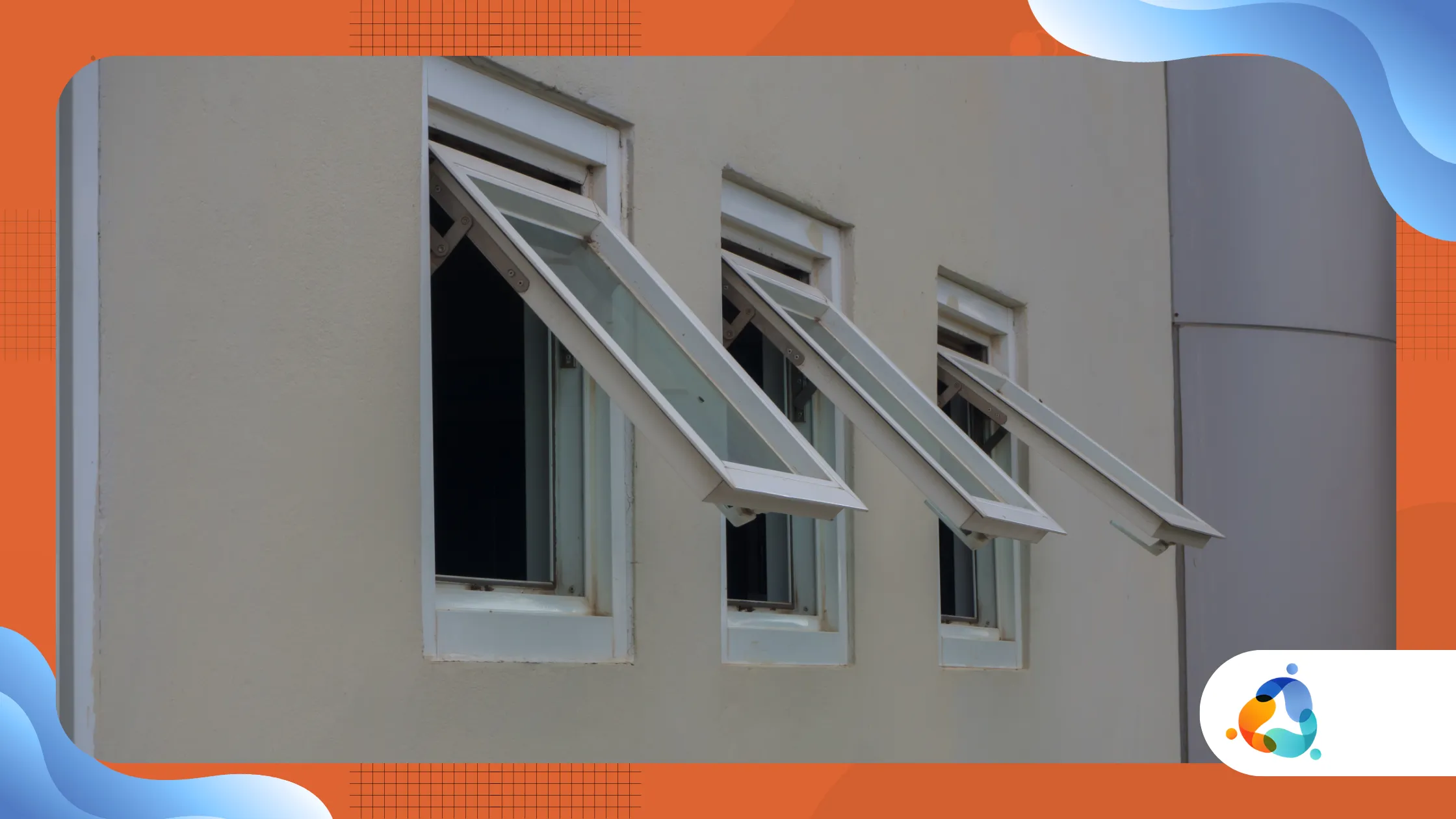
Direct sunlight is the main culprit, so the first and most obvious strategy is to block its entry.
Closing your curtains and blinds during peak sunlight hours, usually between 10 a.m. and 4 p.m., can make a huge difference.
++Tips for shopping at the supermarket and spending less
Did you know that light colored curtains are more effective than dark ones?
This happens because light colors reflect sunlight, while dark colors absorb it, radiating heat into the environment.
Another simple yet effective tactic is to use solar control films on your windows. They act as sunglasses for your home, filtering UV radiation and reducing heat transfer.
Ventilation as Your Ally
Ventilation is the breath of your home. Efficient air circulation helps dissipate accumulated heat.
Opening windows on opposite sides of the house, creating a cross draft, is an old trick that works perfectly.
However, timing is crucial. Opening everything during the midday heat will only bring more hot air inside.
++Tips for protecting your data on Alexa-connected devices
Ideally, you should ventilate your home in the early morning and late afternoon, when the outside temperature is lower.
An underexplored tactic is the strategic use of ventilators.
Place one fan facing a window to push hot air out, and another in a corner, facing a wall, to create a circular airflow.
It's not just about moving the air, it's about renewing it.
The Power of Water and Plants
Water is a fundamental element for natural cooling. Placing containers of water or bowls of ice in front of a fan can simulate a small "air conditioner."
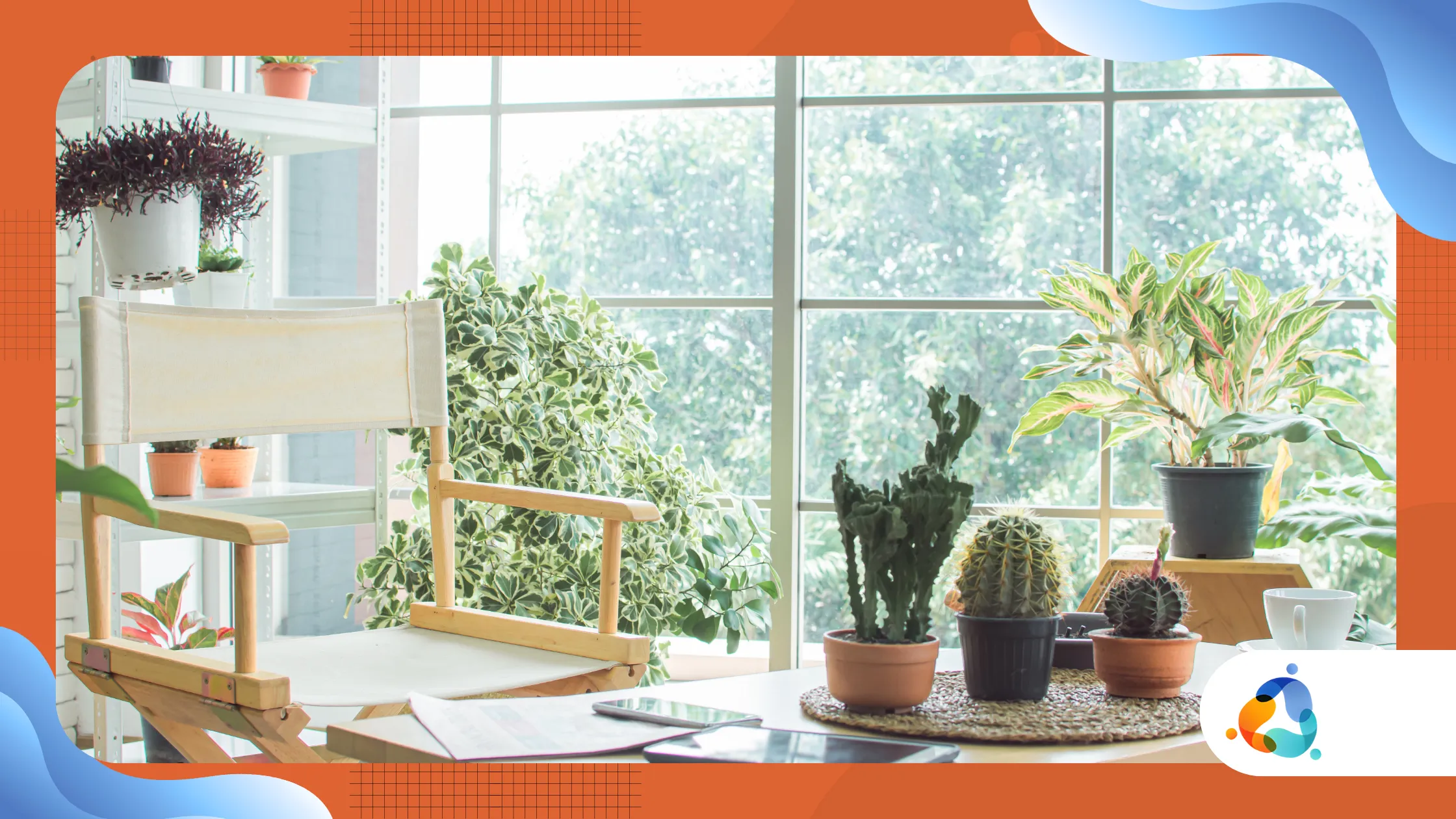
As the air passes through the cold water, it cools and is distributed throughout the environment. Plants are true ecological allies.
See more: You don't need air conditioning at home to keep cool.
They not only add beauty but also contribute to air humidity and, through transpiration, help cool the environment. Ferns and palms are excellent options for indoor spaces.
Below is a practical example of how the combination of different techniques can be effective for make the house cooler in the summer without air conditioning:
1: John's Room
João, who lives in a 7th-floor apartment, suffered from the heat. Instead of turning on the air conditioning, he installed solar-control films on the windows and closed the bamboo blinds during the day.
At night, he would use a fan pointing at the window to blow out the hot air, and before going to sleep, he would place a bowl of ice in front of the fan to cool the room.
These small actions transformed their nights of sleep.
2: Maria's Room
Maria battled the heat in her home with large windows. She installed blackout curtains and added large potted plants, such as the Adam's rib plant, to the corners of the room.
In the afternoon, she would mist the plants with a spray bottle, which created a feeling of freshness and increased the humidity in the air.
On the hottest days, she would place a damp towel on the window so that the air that came in would already be a little cooler.
The Impact of Temperature on Our Lives
The temperature of a room isn't just a matter of comfort. It affects our health, productivity, and even our mood. U
A Harvard University study, published in 2021, found that students' cognitive performance and concentration decline significantly in environments with high temperatures.
According to the research, short-term memory capacity and information processing speed decreased by up to 10% on hotter days.
Maintaining a cool environment is, therefore, an investment in our own well-being. The following table illustrates the temperature difference in a room with and without the aforementioned strategies:
| Strategy Adopted | Initial Temperature | Final Temperature | Average Reduction |
| No Action | 32°C | 32°C | 0°C |
| Closed Curtains | 32°C | 29°C | 3°C |
| Curtains + Ventilation | 32°C | 28°C | 4°C |
| All Strategies | 32°C | 26°C | 6°C |
*Hypothetical data based on average summer temperatures.
The Importance of Materials and Colors
The composition of our home also makes all the difference. Materials like concrete, for example, absorb and retain a lot of heat.
Dark roofs are another source of heating.
Therefore, painting the roof white or using lighter shingles can be a long-term solution to make the house cooler in the summer without air conditioning.
In a study carried out in Brazil in 2023, it was found that adopting light-colored roofs and facades in buildings can reduce the internal temperature by up to 4°C on peak heat days.
The choice of bed linen fabric also has an influence.
Cotton is a breathable material that allows air exchange and absorbs moisture, making it a great option for summer sheets. Similarly, avoid synthetic fabrics that retain heat.
Change Your Habits, Change the Temperature
Don't underestimate the impact of your daily habits. Activities like cooking, ironing, and taking hot showers generate heat and humidity.
Cooking in the oven, for example, raises the temperature of the kitchen and, consequently, the rest of the house.
Choosing light meals prepared on the stove, or even salads and cold dishes, is a smart move.
When possible, take warm or cold showers.
This not only helps lower your body temperature but also prevents the production of hot steam that disperses throughout the home. Small daily choices add up to a much more comfortable environment.
Keeping your home cooler in the summer without air conditioning: Conclusion
Keeping your home cool in the summer heat without relying on air conditioning isn't a utopia. It's an achievable reality through a set of smart and affordable strategies. From the use of curtains and strategic ventilation to the choice of colors and materials, every detail counts. The search for efficient alternatives make the house cooler in the summer without air conditioning It's a journey of savings, sustainability, and well-being. With these tips, you can transform your home into a pleasant and welcoming refuge, even on the hottest days of the year. After all, who doesn't want to enjoy summer without breaking a sweat indoors?
Frequently Asked Questions
1. Is it true that ceiling fans use a lot of energy?
No. A ceiling fan consumes, on average, about 10% of the energy of an air conditioner, making it a much more economical option for keeping your home cooler in the summer without air conditioning.
2. What is the best curtain color to keep the room cool?
Light-colored curtains, such as white or beige, are best because they reflect sunlight. If you need to block out light, use light-colored blackout curtains or curtains with a white lining.
3. Does placing buckets of water in front of the fan really work?
Yes, it works. The evaporating water absorbs heat from the air, and the fan distributes this cooler air throughout the room, creating a cooling sensation.
4. Can the moisture generated by plants be harmful?
Generally speaking, no. The moisture released by plants is beneficial, especially in dry environments. Excess moisture would only be a problem in places that are already naturally humid and poorly ventilated.
5. Is it worth installing solar control films?
Yes, it's an investment that pays off in the long run. Window films significantly reduce heat and UV rays, protecting furniture and skin health, and helping to keep your home cooler in the summer without air conditioning.
