
How to avoid excessive notifications and reduce anxiety using your phone's settings.
Advertisements
Learn to avoid excessive notifications This is the first step towards regaining control over your own attention and lowering cortisol levels by 2026.
The rampant use of smartphones has turned our pockets into nonstop sources of interruptions, fragmenting productivity and fueling severe cases of digital anxiety.
In this guide, we'll explore native settings and behavioral strategies to filter out what truly matters. The goal is to turn your phone into a silent ally, not a tormentor of your peace of mind.
Advertisements
We'll dissect everything from intelligent focus modes to the alert hierarchy, ensuring your concentration doesn't depend on the whim of someone else's click.
How do excessive notifications affect mental health and productivity?
Each beep or vibration triggers a surge of dopamine followed by a state of alertness that shatters the flow of deep thought.
There's something unsettling about the fact that it takes us almost twenty minutes to regain full focus after a trivial interruption. Therefore, avoid excessive notifications It has become a matter of professional survival.
Continuous exposure to irrelevant stimuli, such as likes or app promotions, keeps the nervous system in an artificial "fight or flight" state.
This bombardment not only drains the device's battery, but also depletes your mental energy reserves.
The result is that familiar cognitive fatigue, where simple tasks seem like insurmountable mountains at the end of the day.
How do I configure Focus Modes to protect my time?
Modern operating systems have finally evolved to offer profiles that filter contacts and applications by context.
When you configure Work Mode or Sleep Mode, you can avoid excessive notifications Without the fear of missing a real emergency call. It's the balance between silence and security.
This automation allows the phone to automatically change its interface and mute groups when the workday ends.
Separating professional and personal life has become a necessary luxury. Knowing that the device will only interrupt you if the world is ending (or if it's someone on your list of exceptions) brings a peace that few people experience.
Why is managing notifications by category the secret to silence?
Many people are unaware that it's possible to mute promotions on a delivery app without disabling the notification that your dinner has arrived.
Adjusting these notification channels is what allows avoid excessive notifications Maintaining essential functionality. It's a surgical cleanup that most users neglect due to laziness or lack of knowledge.
Messaging apps allow you to mute groups "forever," leaving only direct mentions as active alerts.
This manual adjustment requires an initial investment of time, but the return in focus in the following weeks is immense.
It's about ceasing to be a passive receiver of noise and becoming the editor of one's own attention.
Comparison: Digital Wellbeing Resources (Data 2026)
| System Resource | Main Function | Benefits to Mental Health | Level of Effectiveness |
| Scheduled Summary | Deliver alerts at fixed times. | Reduces checking anxiety. | Very High |
| Focus Modes | Filter apps by location/time | Protection against interruptions | Most High |
| App Limits | Blocks usage after time limit. | Combat the addiction to endless scrolling. | Average |
| Grayscale Mode | Grayscale screen | It reduces the addictive visual appeal. | High |
| Do Not Disturb | Immediate absolute silence. | Protecting sleep and rest | Essential |
What are the best practices for cleaning up your notification center?
The accumulation of icons in the top bar creates visual noise that increases anxiety every time you look at the screen.
Learn more: Apps to Deal with Anxiety Attacks: See How They Work
A weekly cleanup of the permissions helps to avoid excessive notifications From programs you barely open, but that insist on "reminding" you that they exist. If the app doesn't serve you, why does it have the right to nudge you?
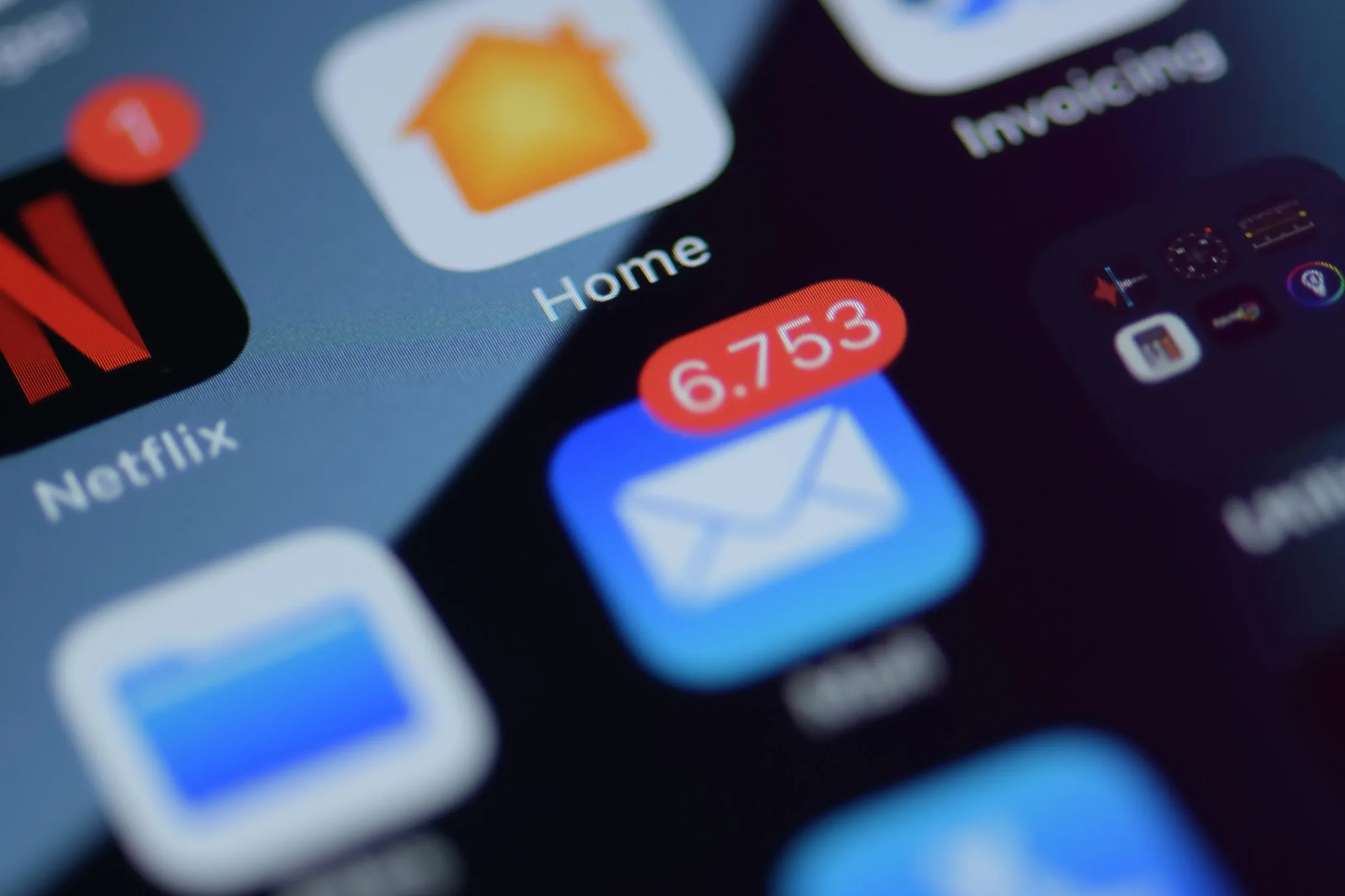
Disabling those red notification badges also reduces the psychological urge to clear visual to-dos.
To understand how persuasive design is engineered to keep us captive, the portal of Center for Humane Technology It offers a critical and necessary perspective on the attention economy.
When should you use Scheduled Summary to organize your workflow?
Scheduled Summary is one of the most underrated tools today. It allows non-urgent notifications to arrive in blocks, perhaps only twice a day.
It's the perfect strategy for avoid excessive notifications During the morning, leaving news and updates for coffee time or after lunch.
Learn more: 5 hidden phone settings that increase security and almost no one activates.
This setup creates a protective membrane between you and the chaos of the internet. By regaining control of delivery, you stop reacting to external stimuli and begin to act with intention.
The cell phone is once again taking its place as a tool subordinate to your will, and not the other way around.
How does Digital Wellbeing help monitor invisible habits?

Monitoring tools reveal the stark truth: how many times do you unlock your device unnecessarily?.
Read more: Apps to create healthy habits and track your progress
Analyzing this data allows us to identify triggers and make decisions to avoid excessive notifications based on its actual use. Often, anxiety stems from the accumulation of dozens of micro-distractions.
Setting limits for social media and enabling dark mode with grayscale tones helps discourage its use before bed.
Colored light is designed to attract the eye; gray makes the phone terribly bland, and that's great for your sleep.
For mental health and technology guidelines, the World Health Organization (WHO) Provides essential guidance on screen use.
The journey to avoid excessive notifications It's not about isolating yourself, but about prioritizing what happens off-screen.
In 2026, true technological sophistication isn't about always being available, but knowing when to close the digital door.
By adjusting these settings, you protect your ability to think deeply and regain the calm lost in the rush of immediate gratification.
Silence has become the new luxury, and it's hidden within your device's settings menu.
Master the tool before it dictates the pace of your thoughts, ensuring that your peace of mind is not sacrificed on the altar of constant connectivity.
FAQ: Frequently Asked Questions
If I silence everything, will I miss emergencies?
No, as long as you configure the exceptions in Focus Modes. You can allow specific contacts (family, children's school) to sound the alarm even in silent mode.
Does "Do Not Disturb" mode prevent the alarm clock from ringing?
Generally not. Modern systems protect the watch alarm by default, but it's wise to test it the first time or check the sound permissions of the watch app.
Can apps that constantly send notifications be silenced by force?
Yes. Go to your system settings, look for "Applications," select the culprit, and uncheck "Show Notifications." This overrides any internal app settings.
Does seeing the notification on the lock screen already cause anxiety?
Yes, the brain processes the stimulus even without unlocking it. Ideally, the system should be configured to hide the message content, showing only that there is something new, or to hide everything.
What is the real difference between muting and disabling?
Silencing only removes the noise and the "vibration," but the light and icon remain. Disabling it cuts the problem at its root: the alert simply doesn't reach your view until you manually open the app.
