
Smart cities: how technology is improving urban life
Advertisements
The concept of Smart cities is no longer science fiction, but a growing reality that shapes the lives of millions of people.
In an increasingly connected world, technology is no longer just a tool but the foundation of a new way of living in society.
It is the basis for building more efficient, sustainable and, above all, humane urban environments.
Technological innovations, for example, offer solutions to complex challenges.
From traffic management to optimizing energy consumption, cities of the future use data to make more assertive decisions. This data-driven approach is key to progress.
Connectivity and Efficiency: The Heart of Smart Cities
The backbone of a smart city is its communications infrastructure.
Advertisements
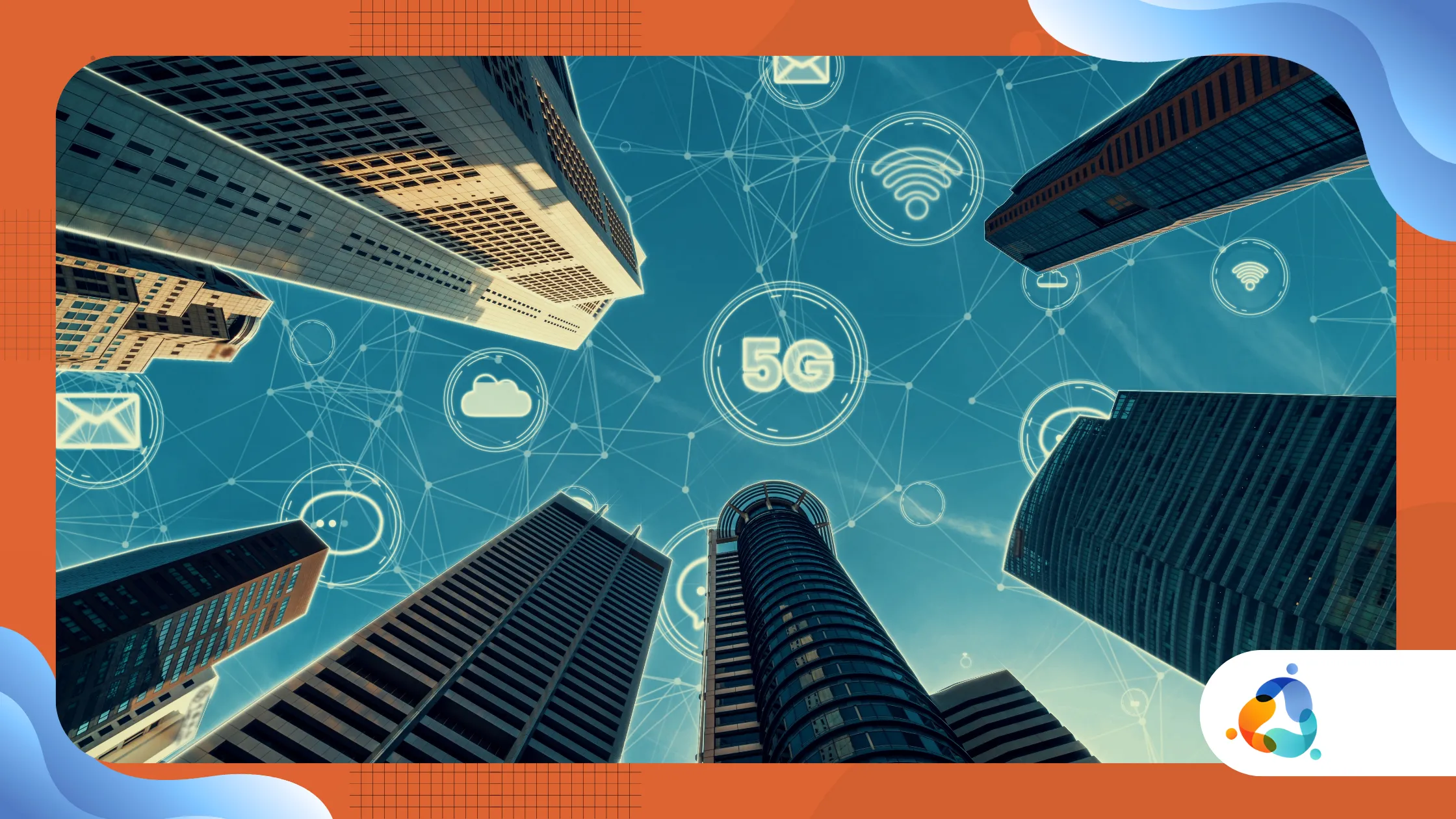
The implementation of 5G networks and the proliferation of the Internet of Things (IoT) allow devices and systems to communicate in real time.
Think, for example, of traffic lights that adjust their cycles based on the flow of vehicles.
Public transportation systems are becoming more efficient. Apps provide accurate information about schedules and routes.
Urban mobility, one of the biggest challenges facing metropolises, is receiving a significant boost. Technology optimizes the flow of people and goods.
Waste collection also benefits. Sensors in bins indicate when they're full. This optimizes collection routes, saving fuel and time.
The environmental and economic impact is substantial, highlighting how technology serves sustainability.
Read more: Brazilian apps that help organize personal finances with technology
Sustainability in Focus: Green and Smart Cities
Technology is a powerful ally in the fight against climate change. In a smart city, water and energy consumption are continuously monitored.
Smart sensors and meters help identify leaks and waste in real time.
Energy management is becoming more dynamic. Examples include the installation of solar panels on public buildings and the creation of microgrids.
This contributes to a cleaner energy matrix. Cities like Copenhagen, Denmark, use data to reduce carbon emissions.
Urban planning takes on a new dimension. Simulations and digital models help predict the impact of new construction.
Technology helps in the creation of urban parks and green areas.
In 2023, the report “The State of European Cities” highlighted that 75% of European cities with open data policies showed greater efficiency in resource management.

Health and Safety: Technology at the Service of Quality of Life
Public safety is one of the pillars of a smart city. Surveillance cameras with video analytics and predictive warning systems reinforce citizen protection.
Policing becomes more strategic and responsive to incidents.
In healthcare, remote monitoring of chronic patients is becoming increasingly popular. Appointment scheduling apps and electronic medical records are making life easier for both doctors and patients.
This digital integration optimizes the healthcare system, providing faster access to care. The technology helps predict seasonal disease spikes.
++ Self-driving cars: when will they arrive in Brazil?
| Application Area | Technology Example | Benefit for the Population |
| Transport | Smart traffic lights, mobility apps | Reduced congestion, greater punctuality |
| Security | AI cameras, alert systems | More efficient policing, shorter response times |
| Health | Electronic medical records, telemedicine | Easy access to health services, data management |
| Sustainability | Waste sensors, smart energy grids | Resource optimization, pollution reduction |
| Governance | Citizen participation platforms | Transparency, greater civic engagement |
One of the biggest advantages of Smart cities is how they transform data into value.
Collecting and analyzing information about population behavior allows for the creation of more personalized services.
It is as if the city becomes a living organism, adapting to the needs of its inhabitants.
++ Tips for protecting your privacy on social media
The Role of the Citizen in the Age of Urban Intelligence
A city cannot be smart without its citizens. Civic engagement platforms allow residents to contribute suggestions and report problems.
Community sensors monitor air quality in real time, empowering people with crucial information.
Digital literacy is also essential. Familiarity with technology empowers citizens to use new services.
Collaboration between the public sector, businesses, and the public is vital. The future of urban life depends on this collaborative effort.
We can think of a smart city as a finely tuned orchestra. Each instrument—whether transportation, security, or sustainability—plays in perfect harmony.
Technology is the maestro, directing the different sectors to create a symphony of efficiency and well-being. The city not only functions, it thrives.
++ What are smart cities and how do they shape a sustainable future?
Examples of Transformation and the Future
In Songdo, South Korea, every building is connected. Sensors monitor energy consumption and waste.
The city was designed from the ground up to be smart, serving as a model for planning. This demonstrates the potential of an integrated approach.
In Brazil, the city of São José dos Campos implemented an Integrated Management Center. It monitors traffic, security, and public services.
This centralization of data allows for a faster response to emergencies. It's an example of how Brazilian cities are embracing technology.
The impact of Smart cities It's profound. They're not just about cables and sensors; they're about people. Technology serves the purpose of improving human life.
The question is no longer whether cities will become smart, but how quickly they will make the transition. And what will be the next big innovation to shape our urban lives?
Digital transformation is not just a luxury, but a necessity to face the challenges of the 21st century.
To the Smart cities are the answer, offering a vision of a future where technology and urban life coexist in harmony. They create a more livable, safe, and sustainable environment for all.
Frequently Asked Questions
What defines a city as “smart”?
A city is considered smart when it uses information and communication technologies to improve the efficiency of its services, the quality of life of its citizens and the management of resources.
It integrates data to make more informed decisions and optimize processes in areas such as transportation, security, energy, and healthcare.
What are the main challenges in implementing a smart city?
Challenges include telecommunications infrastructure, the high initial cost of deployment, the need for interoperability between different systems, and especially the security and privacy of the collected data.
Public acceptance and engagement are also crucial to success.
Does smart city technology affect citizens' privacy?
The collection of large volumes of data is inherent in smart cities, which raises privacy concerns.
It's crucial that data policies are transparent, with clear consent and anonymization mechanisms. Data governance must be robust to protect personal information.
