
How to Choose Smart Devices for a Connected Home
Advertisements
How to Choose Smart Devices?
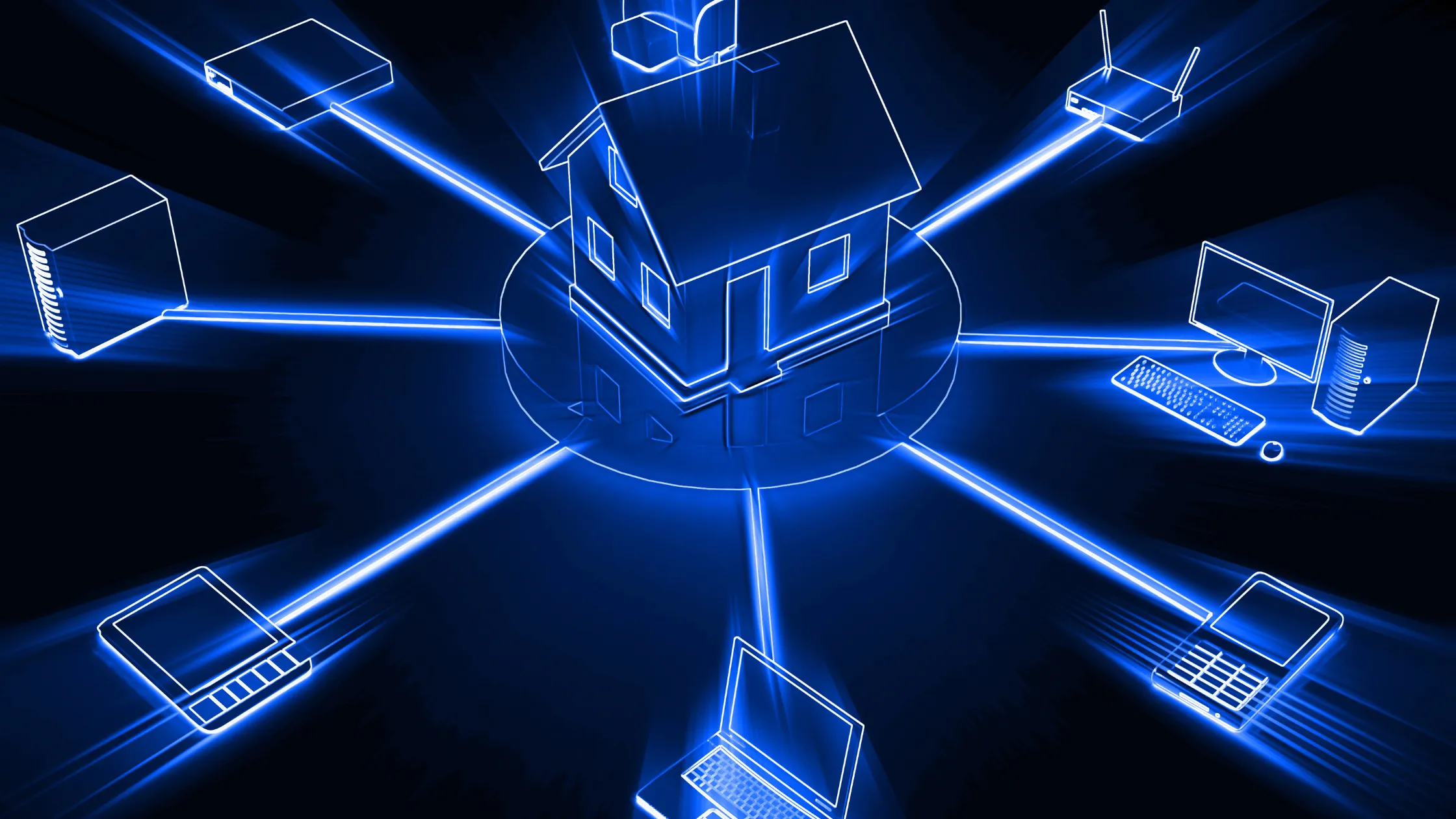
The technological revolution has transformed our homes into dynamic spaces, where comfort, efficiency and security converge through smart devices.
Choosing smart devices for a connected home, however, requires more than simply purchasing the most popular or most advertised products.
This is a strategic decision that involves understanding your needs, assessing technological compatibility, and prioritizing the user experience.
After all, why transform your home into a connected environment if the devices don't meet your expectations or create more complications than solutions?
In this article, we'll explore how to choose smart devices wisely, offering a practical, informed approach to creating a connected home that's functional, secure, and adapts to your lifestyle.
Advertisements
Let's dive into the key aspects you should consider when choosing smart devices, from interoperability to privacy, with a dash of creativity to make the process engaging.
Understanding Your Needs: The First Step to Choosing Smart Devices
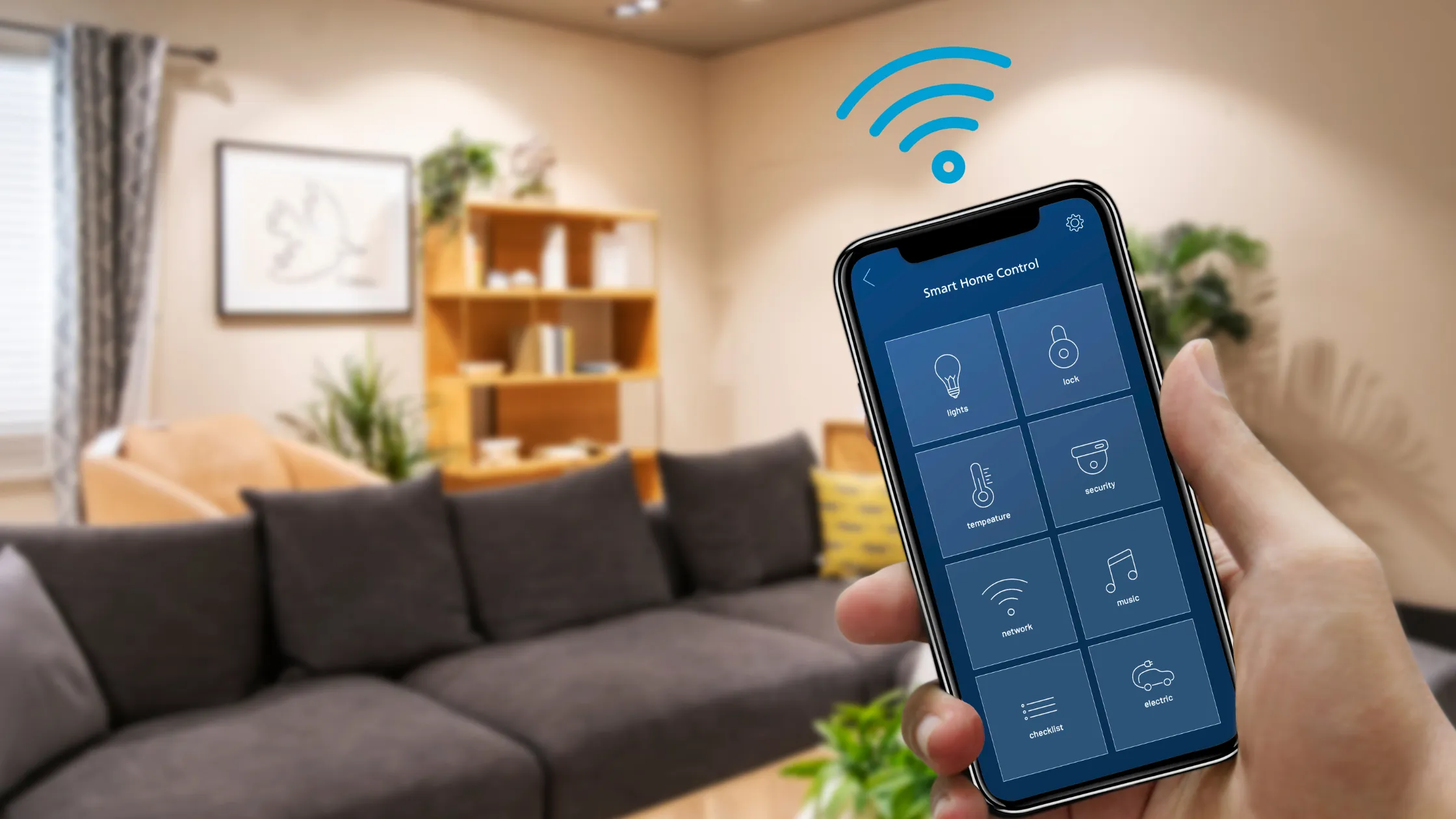
Before investing in smart devices, it's essential to map out the specific needs of your home and lifestyle.
For example, a family with young children might prioritize security cameras and motion sensors.
++ Tricks for recording your screen with professional quality (on PC and mobile)
While a professional working remotely may look for devices that optimize productivity, such as smart lamps that adjust lighting to reduce eye strain.
So, the first step is to make a diagnosis: what problems do you want to solve?
What kind of convenience are you looking for?
This initial consideration prevents impulsive purchases and ensures that the devices you choose add real value.
Also, consider the layout of your home.
A compact apartment can benefit from multi-functional devices, such as a hub that integrates control of lights, thermostats, and shades.
While a larger home may require devices with greater signal range, such as mesh routers, to ensure a stable Wi-Fi network.
For example, imagine a family living in a two-story house and wanting to control the temperature in each room.
A smart thermostat like the Nest Learning Thermostat can learn residents' habits and adjust the temperature automatically, saving energy.
In short, this type of customization is what differentiates a connected home from a home simply equipped with gadgets.
Finally, it is crucial to align your choices with your available budget.
While premium devices offer advanced features like AI integration, more affordable options can still meet basic needs well.
A relevant statistic from Statista (2024) points out that 68% of consumers prioritize cost-effective devices when setting up a smart home.
So, when choosing smart devices, ask yourself: Am I investing in solutions that truly transform my routine, or am I just following a trend?
Compatibility and Ecosystem: The Foundation of a Connected Home
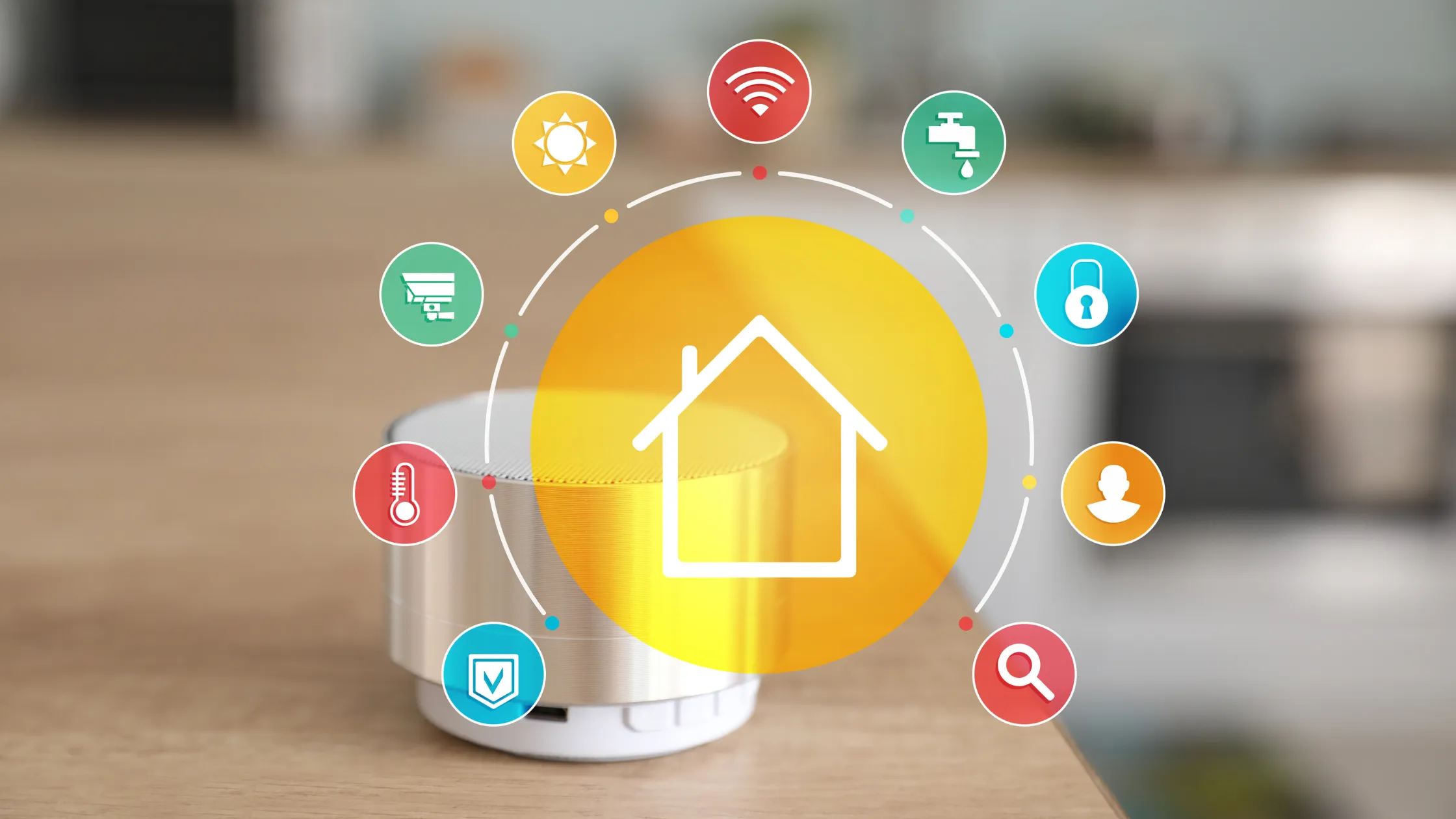
An efficient connected home depends on devices that “talk” to each other.
In this sense, interoperability is an essential pillar when choosing smart devices, as fragmented systems can lead to frustration.
++ How to Create Amazing Montages with Free Photo Editors
For example, if you have a voice assistant like Amazon Echo (Alexa-based), it's wise to opt for devices compatible with this platform, such as Philips Hue bulbs or August smart locks.
This way, you create a cohesive ecosystem, where a single command can turn on lights, adjust the thermostat, and even make breakfast.
However, ecosystem choice goes beyond branding.
Consider communication protocols such as Zigbee, Z-Wave or Matter, which facilitate integration between devices from different manufacturers.
A practical case: João, a technology enthusiast, purchased a smart lock that only worked with a proprietary app, without integration with his Google Home.
Result?
He needed two apps to control the house, which complicated the experience.
Choosing devices that support open standards, such as Matter, can avoid this type of inconvenience, ensuring greater flexibility in the future.
Additionally, evaluate the scalability of the ecosystem.
As your connected home grows, you may want to add new devices, such as water leak sensors or motorized shades.
Choosing smart devices that support software updates and compatibility with new standards is one way to protect your investment.
Think of it like putting together a puzzle: each piece (device) must fit together harmoniously, creating a complete and functional picture.
Security and Privacy: Protecting Your Connected Home
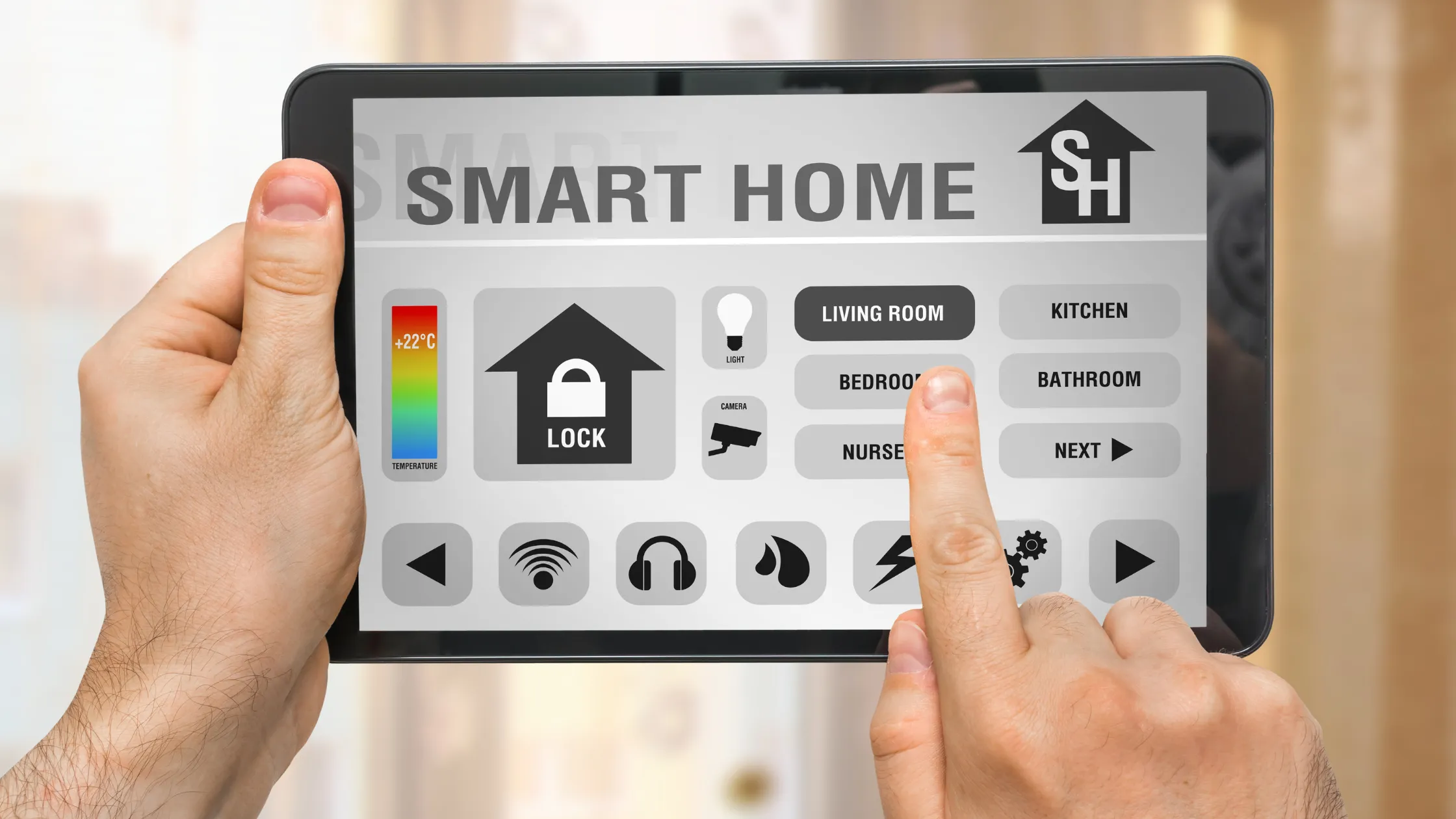
Connectivity brings convenience, but it also exposes your home to digital risks.
When choosing smart devices, cybersecurity should be a priority.
Poorly secured devices can be targets for hackers, compromising everything from surveillance cameras to smart locks.
For example, in 2023, reports highlighted vulnerabilities in low-cost security cameras, allowing unauthorized remote access.
So, opt for brands that offer regular firmware updates and two-factor authentication.
Furthermore, privacy is a critical aspect.
Many smart devices collect data about your habits, from how often you turn on the TV to what times you're at home.
Choose devices from companies that are transparent about their data policies and allow you to disable unnecessary collection features.
++ The Most Used Apps by People Who Live Alone – and How They Make Everything Easier
A practical example is the Ecobee SmartThermostat, which offers granular controls to limit data sharing, ensuring your privacy isn't compromised in the name of convenience.
To illustrate the importance of security, imagine your connected home as a medieval castle.
Every device is a potential entry point: without robust gates (strong passwords) and vigilant guards (security updates), attackers can easily enter.
Therefore, when choosing smart devices, make sure they have security certifications, such as those from UL IoT Security Rating, and prefer those that offer end-to-end encryption.
After all, what's the point of a smart home if it's not secure?
Energy Efficiency and Sustainability: An Intelligent Differentiator
Home automation is not just about convenience, it's also about environmental responsibility.
Choosing smart devices that promote energy efficiency can reduce your carbon footprint and energy bills.
For example, a smart switch like the TP-Link Kasa allows you to program the automatic switching off of lights in empty rooms, saving energy effortlessly.
Data from International Energy Agency (2024) show that homes connected with energy-efficient devices can reduce electricity consumption by up to 15%.
Additionally, devices such as sunlight sensors can automatically adjust curtains to take advantage of natural light, reducing the need for daytime lights.
Consider the case of Maria, who installed a smart irrigation system in her garden.
The device, connected to weather forecasts, only activates watering when necessary, saving water and keeping the garden healthy.
This integration between technology and sustainability is a differentiator when choosing smart devices.
Finally, evaluate the device's life cycle.
Products made with recyclable or durable materials, such as those manufactured by IKEA Home Smart, are choices aligned with sustainability.
By prioritizing devices that combine technology and environmental responsibility, you not only improve your home, but also contribute to a greener future.
After all, a connected home must be smart not only in functionality, but also in environmental impact.
User Experience: The Key to Successful Adoption
The best technology is the one that disappears into use, becoming a natural part of your routine.
When choosing smart devices, usability is a key factor. Complicated interfaces or poorly designed apps can turn the promise of convenience into frustration.
For example, a thermostat with an intuitive app, such as Honeywell Home, allows for quick and clear adjustments, while a device with confusing menus can discourage use.
Also, consider the learning curve.
Not everyone in your home is a tech enthusiast, so opt for devices with simple controls and voice command options.
An example is the Google Nest Hub, which lets you manage multiple devices with simple commands like “Ok Google, turn off the living room lights.”
This accessibility ensures that everyone in the home, from children to the elderly, can enjoy the benefits of automation.
Finally, test the reliability of the devices.
A device that fails frequently or requires constant reboots can undermine confidence in the connected home.
Read user reviews and look for reputable devices on reputable forums.
Choosing smart devices with a seamless user experience is like choosing a good pair of shoes: they should fit perfectly into your everyday life without causing discomfort.
Frequently Asked Questions About Choosing Smart Devices
| Question | Response |
|---|---|
| What are the first smart devices I should buy? | Start with a central hub, like an Amazon Echo or Google Nest Hub, and add basic devices like smart bulbs or a thermostat to build a solid foundation. |
| How do I know if a device is secure? | Make sure the device offers encryption, regular firmware updates, and two-factor authentication. Certifications like the UL IoT Security Rating are a good indicator. |
| Can I use devices from different brands together? | Yes, as long as they support a common protocol, such as Matter, Zigbee, or Z-Wave, or a hub that integrates multiple brands. |
| Is it worth investing in premium devices? | It depends on your budget and needs. Premium devices offer more features, but affordable options may be sufficient for basic functions. |
| How do I protect my privacy? | Choose devices from companies with transparent data policies and disable unnecessary data collection features. Use secure Wi-Fi networks and strong passwords. |
Comparison Table: Popular Smart Devices
| Device | Category | Protocol | Approximate Price (USD) | Advantages | Disadvantages |
|---|---|---|---|---|---|
| Philips Hue | Lighting | Zigbee, Matter | $50-$150 | High compatibility, color customization | Requires hub for advanced features |
| Nest Learning Thermostat | Air conditioning | Wi-Fi | $200-$250 | Learn habits, save energy | High price |
| August Smart Lock | Security | Wi-Fi, Bluetooth | $150-$200 | Integration with voice assistants | Installation can be complex |
| TP-Link Kasa Smart Plug | Energy control | Wi-Fi | $20-$40 | Easy to use, affordable | No Zigbee/Matter support |
| Ecobee SmartThermostat | Air conditioning | Wi-Fi | $180-$220 | Privacy controls, Alexa integration | Less intuitive for beginners |
Conclusion: Building Your Smartly Connected Home
Choosing smart devices for a connected home is a journey that combines planning, research, and a touch of creativity.
By prioritizing your needs, ensuring compatibility, protecting security, and striving for energy efficiency, you create an environment that not only makes life easier but also reflects your values and style.
With the right approach, your home can become a space where technology and humanity coexist in harmony.
Remember: a connected home is like an orchestra, where each device plays its part to create a perfect symphony.
By choosing smart devices carefully, you're not just buying gadgets, you're building a home that anticipates your needs and protects what matters most.
So, are you ready to transform your home into a truly smart space?
