
5 myths and truths about cell phone charging
Advertisements
Myths and truths about cell phone charging are a topic that generates heated debates.
With the evolution of batteries and new charging technologies, a lot of misinformation still persists.
Are you taking care of your smartphone properly?
In recent years, manufacturers like Samsung, Apple, and Xiaomi have implemented smart energy management systems, but that doesn't mean we can ignore good practices.
According to a report by Battery University (2024), more than 60% of users still make basic mistakes that reduce battery life by up to 40% in two years.
In this article, we'll debunk the main misconceptions and confirm what really matters.
Advertisements
From overnight charging to using non-original accessories, every detail makes a difference.
Get ready for an in-depth analysis, with technical data, real-world examples, and practical recommendations.
1. Does Leaving Your Cell Phone Charging All Night Damage the Battery?
The Persistent Myth
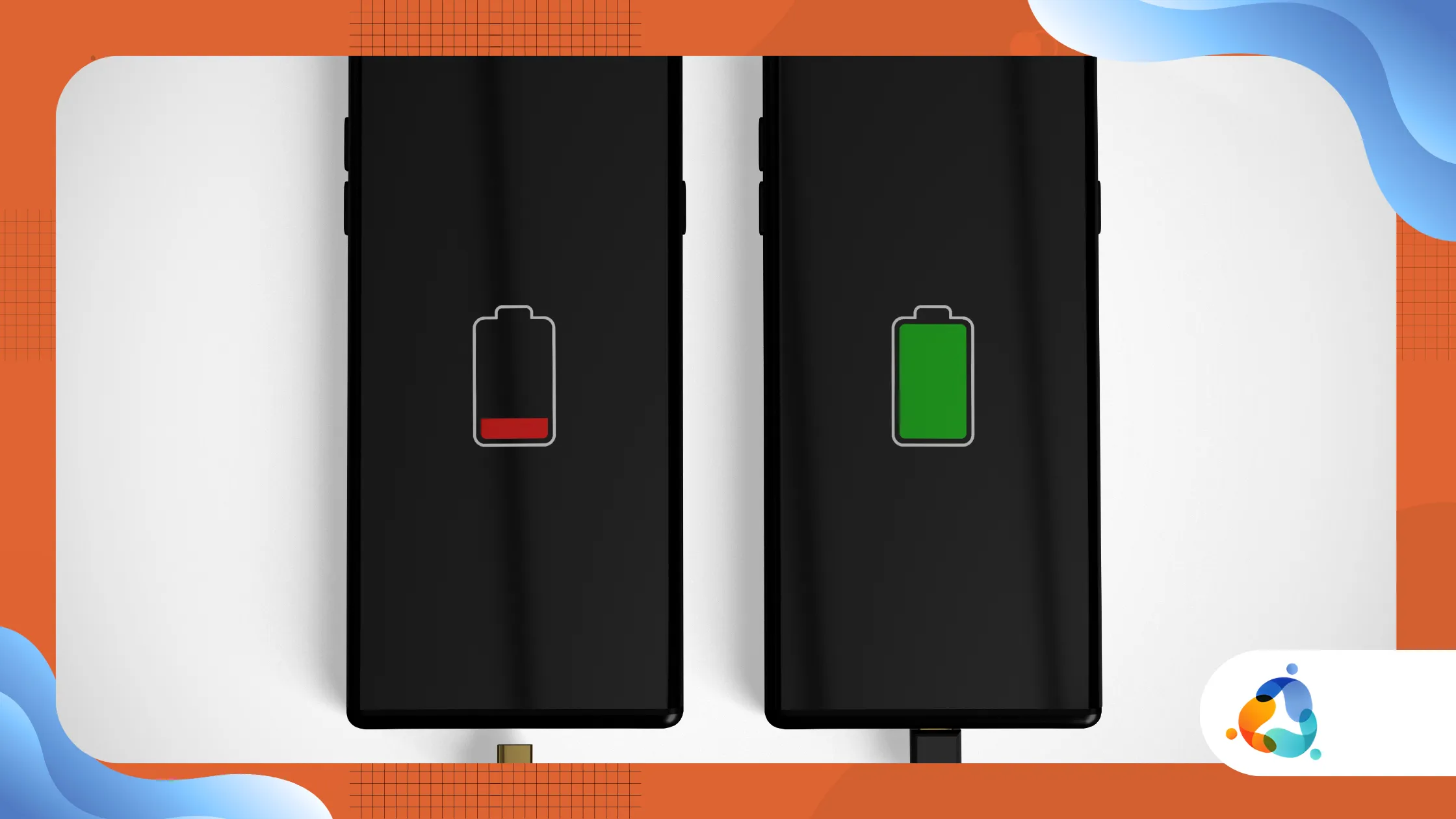
Many people believe that leaving their smartphone plugged in for hours damages the battery.
This idea made sense in the past, when protection circuits were less efficient.
Today, power management chips shut off current flow when the load reaches 100%.
Apple, for example, introduced the Optimized Battery Charging, which learns your habits and holds the last 20% until just before you wake up.
The Real Enemy: Heat
While overloading is no longer a problem, overheating still is.
A cell phone under your pillow or inside a thick cover can reach dangerous temperatures.
++How to report irregularities through e-SIC
An example: tests of the GSMArena showed that an iPhone 15 left charging overnight under a blanket reached 42°C, while on a ventilated table it did not exceed 32°C. Batteries exposed to constant heat lose capacity faster.
Tip:
If you frequently charge at night, use an open stand and avoid thermally insulating covers.
Some Androids also allow you to activate a sleep mode. nightly slow charge, which reduces speed to minimize heating.
2. Are Generic Chargers as Good as the Originals?
The Cheap Accessories Trap
Not all chargers are created equal.
While originals undergo rigorous compatibility testing, many generics cut costs by using low-quality components.
++The best gaming phones on the market
THE USB-IF (USB Implementers Forum) warns that fake chargers may not have overvoltage protection, putting not only the battery but also the phone's internal circuitry at risk.
When Can a Generic Be a Good Option?
Reputable third-party brands like Anker and Ugreen invest in certifications like Power Delivery 3.0 and PPS (Programmable Power Supply).
These devices are as safe as the originals, as long as they are purchased from trusted sources.
A test of the CNET compared an original Xiaomi charger with a Baseus model of the same power.
The result? Identical effectiveness, but the generic cost 30% less.
++Top 5 Cell Phones with the Best Camera in 2025
How to Identify a Good Charger?
- Check seals like CE, RoHS or Qualcomm Quick Charge Certified.
- Avoid products with absurdly low prices.
- Read user reviews on sites like Amazon or Mercado Livre.
3. Can Using a Cell Phone While Charging Cause Explosions?
The Galaxy Note 7 Case and Collective Trauma
The 2016 incident where Galaxy Note 7 batteries exploded created widespread fear.
However, the root cause was a design error by Samsung, not using it while charging.
Today, smartphones have multiple layers of protection, including temperature sensors and systems that reduce current if they detect overheating.
When does the risk increase?
- Using damaged chargers or chargers of dubious origin.
- Playing heavy games while charging (which generates extra heat).
- Leaving the device in stuffy environments, such as inside a closed car.
A Reddit user reported that their phone became unusually hot when charging with a broken cable. After replacing it with a new one, the problem disappeared. Moral of the story: cables matter too.
4. Does Fast Charging Drain the Battery Faster?
The Science Behind Degradation
Every battery experiences chemical wear and tear over time, but ultra-fast charging speeds up the process.
A study of Battery University showed that charging at 65W reduces lifespan by 15% after 800 cycles, compared to 18W charging.
How Are Brands Minimizing This?
Technologies such as Adaptive Charging (Google Pixel) and Battery Health Management (iPhone) dynamically adjust speed to preserve battery.
When is it Worth Using Fast Charging?
- Emergencies, when you need power in minutes.
- If the phone has active cooling (like some gaming models).
5. Do Batteries Need to Be Zeroed Before Recharging?
The Myth of the Memory Effect
This belief stems from older nickel-cadmium batteries, which required full discharges. Today's lithium-ion batteries work best with partial recharges.
The Danger of Total Discharge
Letting your phone turn off due to lack of power forces the battery to critical voltage levels, damaging its cells.
What is the Ideal Range?
Experts recommend maintaining a charge between 20% and 80%. If possible, avoid reaching 100% daily.
6. Why hasn't battery technology solved all the problems yet?
Despite advances, lithium-ion batteries still have physical and chemical limitations that current technology cannot fully overcome.
Research into solid-state batteries promises greater durability and safety, but they are still in the development phase and have not yet reached the mass market.
In the meantime, the best solution remains conscious use: avoid extreme loads, excessive heat and low-quality accessories.
A report from the IDTechEx (2025) points out that, even with new thermal management systems, battery degradation still occurs, especially in smartphones with ultra-fast charging above 100W.
The good news? Small changes in habits, like not leaving your phone in the car on hot days or using airplane mode during overnight charging, can make a significant difference in battery life.
Technology evolves, but user care is still essential.
Conclusion: Myths and truths about cell phone charging
Now that you know the main myths and truths about cell phone charging, you can make smarter decisions.
Invest in quality accessories, avoid excessive heat, and prefer partial loads.
To delve deeper, Check out 15 myths and truths about batteries and chargers and What is the right way to charge your cell phone?
Frequently Asked Questions: Myths and truths about cell phone charging
Can I use any wireless charger?
Not all models are compatible with your model. Check if it supports the standard. Qi and the maximum power of your cell phone.
How many years does a smartphone battery last?
On average, 2 to 3 years with daily use. After that, the capacity drops to about 80%.
Should I remove the case when charging?
Only if you notice overheating. Otherwise, it is not necessary.
